What is Strata Title vs Torrens Title Explained?
In Australian property, understanding the distinction between Strata Title and Torrens Title is fundamental to property ownership and investment. These two legal frameworks dictate the nature of ownership, responsibilities, and rights associated with real estate. Torrens Title represents the traditional, freehold ownership of a discrete parcel of land and any improvements upon it, granting the owner complete autonomy over their property, subject only to council regulations and easements. It is the most common form of title for detached houses and larger landholdings, providing a clear and singular ownership structure.
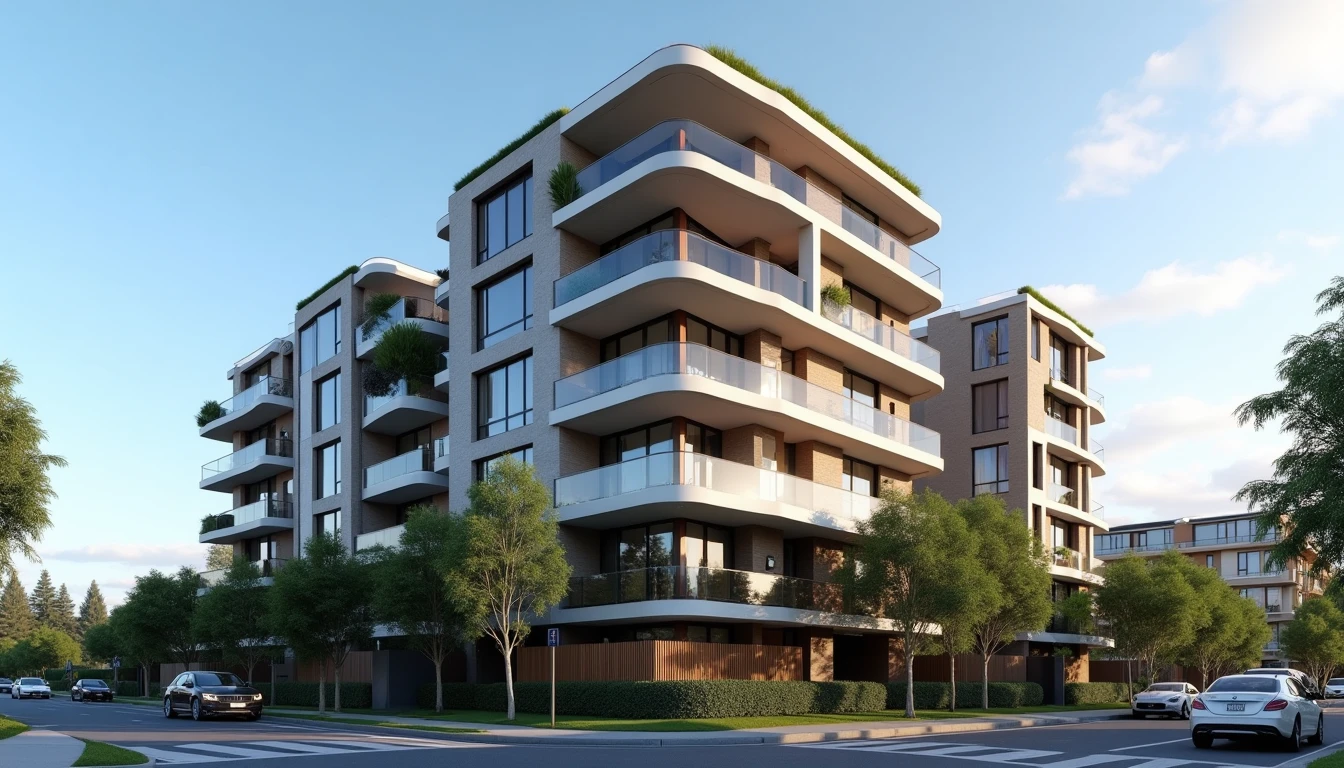
Conversely, Strata Title governs the ownership of individual units or lots within a larger development, such as apartments, townhouses, or commercial spaces, where there is shared ownership of common property. This system was introduced to facilitate the legal subdivision and independent ownership of multi-dwelling buildings, enabling the efficient use of urban land. For prospective buyers and investors, grasping the nuances of Strata Title is critical, as it entails not only ownership of a specific unit but also a shared proportional interest in communal areas and a collective responsibility for their maintenance and management through an owners corporation (also known as a body corporate).
How Does Strata Title vs Torrens Title Explained Work in Australia?
Torrens Title operates on the principle of indefeasibility of title, meaning the registered proprietor's ownership, as recorded on the land title register, is conclusive and cannot be challenged, except in cases of fraud. When you purchase a Torrens Title property, you acquire full and undisputed ownership of both the land specified by the boundaries and any structures built upon it. This grants the owner freedom to alter the property within the confines of local council planning laws and the ability to control access and usage without requiring external communal approval. The owner is solely responsible for all maintenance, insurance, and rates associated with the property.
Strata Title, on the other hand, involves a more complex ownership structure. When you buy a strata-titled property, you own your individual "lot" (e.g., an apartment unit, townhouse) and also hold a proportional share in the "common property" of the development. Common property typically includes areas such as hallways, lifts, gardens, swimming pools, car parks, and the building's exterior walls and roof. The collective owners form an owners corporation (or body corporate) that legally owns and manages the common property. This corporation is responsible for the maintenance, repair, and insurance of common areas, funded by contributions from lot owners.
The shared nature of Strata Title means decisions affecting common property are made collectively, requiring owners to abide by established by-laws and contribute to the upkeep of the entire complex. While this can offer benefits of shared amenities and collective maintenance, it also introduces a level of communal governance and financial obligation not present in Torrens Title ownership.
Historical Context
The concept of Torrens Title originated in South Australia in 1858, championed by Sir Robert Torrens. Prior to this, land ownership relied on a complex and often unreliable system of deeds. Torrens' reforms introduced a revolutionary system of land registration that guaranteed title, simplifying conveyancing and reducing the risk of disputes. This system was progressively adopted across all Australian states and territories, becoming the standard for freehold land ownership and a cornerstone of Australia's property market.
Strata Title, by contrast, is a more recent innovation, introduced in New South Wales through the Conveyancing (Strata Titles) Act 1961. This legislation was a response to the increasing demand for high-density living, particularly in Sydney, and the need for a legal framework to facilitate the individual ownership of units within multi-storey buildings. Before 1961, multi-unit developments were typically owned under company title or leasehold arrangements, which were cumbersome and lacked the clear individual ownership rights that strata title offered. Other states quickly followed NSW's lead, with Victoria introducing its first strata legislation in 1967. This legal development was instrumental in enabling the construction and widespread appeal of apartment living, fundamentally reshaping Australia's urban landscape and housing options, particularly during the post-war population boom and subsequent urbanisation.
Current Relevance
Today, both Torrens and Strata Titles remain the predominant forms of property ownership in Australia, each suited to different housing types and investment strategies. Torrens Title properties, primarily detached houses, offer maximum autonomy and are often preferred by families seeking unencumbered land and control over renovations. The market for Torrens Title properties across capital cities like Sydney and Melbourne continues to be robust, often commanding premium prices due to scarcity and perceived lower ongoing costs beyond standard council rates and insurance.
Strata Title, however, accounts for a significant and growing proportion of Australia's housing stock, especially in urban centres. The average body corporate levies, for instance, can range from approximately $3,000 to over $10,000 per annum in major cities, depending on the age of the building, the number of amenities (e.g., pools, gyms, concierges), and the quality of maintenance. For example, a new, amenity-rich apartment in Barangaroo, Sydney, could easily see levies exceeding $8,000 annually, while an older, basic block in a regional centre might be closer to $2,500. These levies cover regular maintenance, insurance for common property, and a sinking fund for future capital works. Furthermore, owners corporations commonly impose by-laws that can restrict aspects such as pet ownership (e.g., "no pets" or weight/size restrictions), extensive renovations, or short-term holiday letting (e.g., Airbnb).
Such restrictions are a critical consideration for potential buyers, as they directly impact the usability and potential income streams from a strata property. For instance, the NSW government has provided a pathway for owners corporations to pass by-laws preventing short-term letting if at least 75% of owners vote in favour, significantly altering the investment landscape for some properties.
Key Considerations
Understanding Financial Obligations Beyond Mortgage
For strata-titled properties, anticipate regular body corporate levies (administration fund and sinking fund contributions). These are typically paid quarterly. The average can be $3,000-$10,000+ annually in major cities, but can be significantly higher for luxury developments or buildings requiring substantial maintenance. Always review the financial statements to ensure a healthy sinking fund balance.
Reviewing By-Laws and Their Impact
Request and thoroughly review the property's by-laws before purchase. These can dictate everything from pet policies to renovation guidelines, permissible flooring types, and even restrictions on short-term rentals. A by-law prohibiting pets could scupper plans for a pet owner, while a restriction on Airbnb could impact an investor's projected yield.
The Importance of a Comprehensive Strata Report
For any strata property, commissioning a professional strata report is not merely advisable but essential. This report will review the owners corporation's financial records, insurance policies, maintenance schedules, committee meeting minutes (aim for 2-3 years minimum), and any history of disputes or building defects. It will also highlight any upcoming special levies or major works planned that could result in unexpected costs.
Special Levies: A Hidden Cost
Be acutely aware of the potential for special levies. These are additional, often significant, one-off payments levied by the owners corporation to cover unexpected major works or large capital expenses not adequately covered by the sinking fund (e.g., façade repairs, lift replacement, waterproofing issues). A special levy can range from a few thousand dollars to tens of thousands, or even hundreds of thousands for extensive structural repairs, and owners are legally obligated to pay their share.
Governance and Community Living
Strata living involves a degree of communal governance. Decisions regarding common property are made by the owners corporation, often through a strata committee. This means individual owners have less autonomy over the exterior and shared spaces compared to a Torrens Title property and must adhere to collective decisions and by-laws. Be prepared for regular meetings and the potential for neighbourly disagreements.
Due Diligence for Property Type and Location
Evaluate whether a strata or Torrens Title property aligns with your lifestyle, financial capacity, and investment objectives. Torrens Title offers ultimate control but full financial responsibility. Strata Title offers shared amenities and maintenance, but at the cost of shared decision-making, ongoing levies, and potential restrictions. The choice significantly influences long-term enjoyment and financial outcomes.
Key Takeaways
The core distinction between Strata Title and Torrens Title lies in the extent of ownership and associated responsibilities. Torrens Title grants complete, unencumbered ownership of both land and structures, offering maximum autonomy but requiring sole responsibility for all costs and maintenance. Strata Title necessitates a shared ownership model where individual units are privately owned, but common areas are collectively owned and managed by an owners corporation, funded by regular levies and potentially unpredictable special levies. Understanding this fundamental difference is paramount for any Australian property transaction, as it dictates the legal framework, financial commitments, and lifestyle implications of property ownership.
For potential buyers, the choice between these titles should be a deliberate one, informed by comprehensive due diligence. This includes meticulously reviewing strata reports and by-laws for strata properties and carefully considering the trade-offs between individual control (Torrens) versus shared amenities and collective decision-making (Strata). The financial implications of body corporate levies and the potential for special levies in strata properties must be thoroughly factored into any budget, as these can significantly impact the true cost of ownership beyond the mortgage repayment.