Commercial property investment in Australia presents compelling opportunities for investors seeking higher yields and stable income streams compared to residential property. With gross yields typically ranging from 5% to 12% depending on location and asset class, commercial properties offer significantly better returns than the 2-4% yields common in residential markets across major Australian cities.
The commercial property sector encompasses diverse asset classes, each with distinct risk-return profiles and investment requirements. Unlike residential property, commercial investments involve sophisticated lease structures, different financing arrangements, and more complex due diligence processes. However, these complexities often translate into superior long-term returns and more predictable cash flows for informed investors.
Commercial Property Asset Classes
Australian commercial property divides into several primary asset classes, each offering different risk-return characteristics and investment thresholds. Office buildings represent the largest component of the commercial market, ranging from premium CBD towers to suburban office parks. These properties typically feature lease terms of three to ten years, providing stable income streams but requiring significant capital outlays.
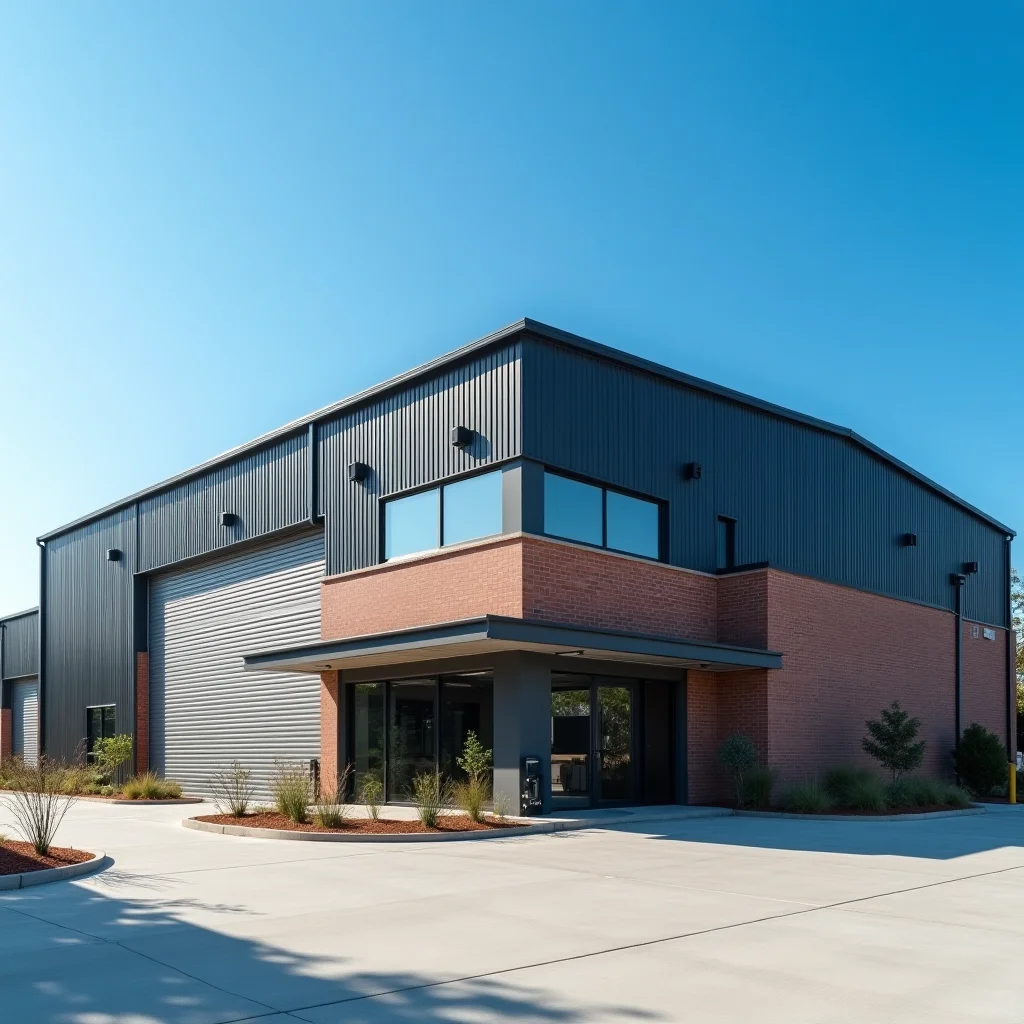
Retail properties encompass shopping centres, strip retail, and standalone stores. Major shopping centres anchored by supermarkets or department stores offer stable returns, while specialty retail carries higher yields but greater tenant risk. Industrial properties, including warehouses, distribution centres, and manufacturing facilities, have gained popularity due to e-commerce growth and supply chain demand.
The following table compares typical characteristics across major commercial asset classes:
| Asset Class | Typical Yield Range | Average Lease Term | Entry Point |
|---|---|---|---|
| CBD Office | 4.5% - 6.5% | 5-10 years | $2M - $50M+ |
| Suburban Office | 6% - 8% | 3-7 years | $500K - $5M |
| Major Shopping Centre | 5% - 7% | 10-25 years | $5M - $100M+ |
| Strip Retail | 6% - 9% | 3-5 years | $300K - $2M |
| Industrial/Warehouse | 6% - 10% | 5-15 years | $400K - $10M |
Lease Structures and Tenant Considerations
Commercial property leases operate fundamentally differently from residential tenancies, with structures designed to provide landlords with predictable income and protection against inflation. Most commercial leases include annual rent increases tied to fixed percentages (typically 3-4%) or Consumer Price Index movements, ensuring income growth over the lease term.
Triple net leases transfer property expenses including rates, insurance, and maintenance to tenants, providing landlords with predictable net returns. However, gross leases see landlords retaining responsibility for these costs while charging higher base rents. The lease structure significantly impacts investment returns and ongoing management requirements.
Tenant quality represents perhaps the most critical factor in commercial property investment success. National retailers, government tenants, and established professional services firms offer superior covenant strength compared to start-up businesses or sole traders. Credit-worthy tenants typically accept lower yields but provide security and sleep-at-night factor valuable to many investors.
Due diligence must examine existing lease terms, upcoming rent reviews, tenant financial strength, and renewal probability. Properties with upcoming lease expiries or weak tenants may offer attractive purchase prices but carry significant re-leasing risk that inexperienced investors often underestimate.
Financing Commercial Property Investments
Commercial property financing differs markedly from residential lending, with banks applying more stringent serviceability criteria and requiring larger deposits. Most lenders require minimum 30% deposits for commercial properties, with some preferring 40% for higher-risk asset classes or inexperienced investors.
Interest rates typically sit 1-2% above comparable residential rates, reflecting perceived higher risk and more complex security assessments. However, commercial loans often provide interest-only terms for longer periods, improving cash flow for yield-focused investors. Loan terms usually range from one to five years, requiring refinancing more frequently than residential mortgages.
Lenders evaluate commercial property loans based on both borrower serviceability and property income coverage. The debt service coverage ratio, comparing net operating income to loan repayments, must typically exceed 1.25-1.4 times. This requirement ensures rental income substantially covers loan costs even during vacancy periods.
Specialist commercial finance brokers can access lender panels unavailable to retail customers and structure deals appropriate for specific asset classes. Commercial Finance Partners offers expertise across industrial, office, and retail property financing Australia-wide.
Due Diligence and Property Analysis
Commercial property due diligence extends far beyond residential property inspections, requiring analysis of lease documentation, tenant financials, market conditions, and regulatory compliance. Professional building inspections must assess structural integrity, mechanical systems, and compliance with disability access and fire safety requirements.
Financial analysis should examine historical income and expense statements, current market rents, comparable sales evidence, and future income potential. Many commercial properties include additional income streams from car parking, signage rights, or telecommunications infrastructure that require separate evaluation.
Location analysis differs from residential property assessment, focusing on accessibility, demographics, competition, and future development plans. Zoning regulations, council development plans, and infrastructure projects can significantly impact long-term property values and tenant demand.
Legal due diligence must review strata documentation, council certificates, environmental reports, and any registered encumbrances. Commercial properties often carry more complex legal structures and potential liabilities that require specialist legal advice before proceeding to purchase.
Tax Considerations and Investment Structures
Commercial property investments offer several tax advantages unavailable to residential property investors. Plant and equipment depreciation claims on items such as air conditioning, lighting, and security systems can provide substantial tax benefits in early ownership years. Building allowance deductions may apply for properties constructed after specific dates, providing additional depreciation benefits.
GST implications require careful consideration, particularly for new commercial properties or substantial renovations. Investors may need to register for GST and charge tenants accordingly, while potentially claiming GST credits on purchase costs and ongoing expenses.
Investment structures become more important for commercial property due to higher values and more sophisticated tax treatment. Self-managed superannuation funds can acquire commercial property subject to specific rules, while company or trust structures may provide tax planning opportunities for high-net-worth investors. Professional tax advice remains essential given the complexity and individual nature of optimal structures.
Commercial property investment rewards thorough research, professional advice, and patient capital deployment. While entry barriers exceed residential property requirements, the superior yields, longer lease terms, and professional tenant relationships can provide excellent long-term investment returns for committed investors willing to master the additional complexities involved.
Commercial Property Due Diligence Checklist
A disciplined due diligence program protects yield and reduces risk at purchase. Start with the contract and title, move through tenant and building checks, verify planning, and finish with financial, tax and insurance confirmations before you go unconditional.
Lease review (commercial solicitor)
Have a commercial solicitor review rent review mechanisms (fixed, CPI, market, ratchets), definitions of recoverable outgoings, and any caps. Scrutinise make-good clauses, landlord versus tenant responsibilities for base-building items, assignment and subletting rights, security (bond/bank guarantee), options to renew, and any early termination rights.
Confirm whether statutory compliance and capital replacements for HVAC, lifts and fire systems sit with the landlord, and how downtime is treated. Check disclosure statements where applicable and any option exercise windows.
Tenant covenant and cash flow
Assess the tenant’s financial strength: recent financials (if available), years operating at the site, industry outlook, and whether the business is a franchise (and franchisor support) or independent. Verify arrears history, bond/guarantee sufficiency (often 3–6 months), and the rent-to-turnover ratio for retail.
Reconcile outgoings: obtain rates, land tax, water, insurance and maintenance invoices to validate budgets. Match lease area to survey/BOMA measurements.
Building condition and essential services
Commission a building consultant to inspect structure, roof, waterproofing and compliance with the Building Code. Engage specialists to report on HVAC capacity and age, lift service logs, and fire systems (EWIS, sprinklers, hydrants, extinguishers) and essential safety measures records.
When plant fails, base-building replacements and statutory upgrades often fall to the landlord unless the lease shifts risk. Budget for near-term capex based on remaining life cycles.
Environmental and planning
For industrial, former dry cleaning, petrol, automotive, or chemical sites, order a Phase 1 Environmental Site Assessment. If red flags arise, a Phase 2 investigation may be required. Banks often insist on this, and contamination liability usually rests with the owner in Australia.
Verify zoning and permitted uses, overlays, car parking ratios, loading, hours of operation, signage and any road-widening or acquisition reservations. Cross-check title for easements and restrictions on use.
Commercial strata specifics
For strata assets, review the strata records: sinking fund forecast, balance, maintenance plans, defects history (e.g., waterproofing, cladding) and any proposed special levies. Check by-law constraints on uses, fit-outs and hours.
| Due diligence item | Responsible | Typical cost (ex GST) |
|---|---|---|
| Contract, lease and title review (incl. rent reviews, make-good, assignments, options) | Commercial solicitor | $2,000–$5,000 |
| Tenant covenant check (financials, credit search, arrears) | Buyer/Accountant | $150–$1,500 |
| Outgoings verification (rates, land tax, insurance, utilities) | Buyer/Accountant | $0–$1,000 |
| Building and roof inspection report | Building consultant | $1,500–$5,000+ |
| HVAC/lift/service logs and condition review | Specialist contractor | $500–$2,500 per system |
| Fire safety and essential services compliance check | Fire contractor/Consultant | $500–$2,000 |
| Phase 1 Environmental Site Assessment (risk assets only) | Environmental consultant | $2,000–$5,000 |
| Planning/zoning certificate and use verification | Council/Town planner | $80–$300 (cert) + $500–$2,000 |
| Strata records inspection (minutes, sinking fund, levies) | Strata inspector | $300–$600 |
| Insurance quotes and claims history | Insurance broker | Usually $0 (broker-paid) |
| Bank valuation/finance due diligence | Lender/Valuer | $2,000–$6,000 |
Confirm GST treatment (e.g., going concern), land tax position, and stamp duty. Keep all findings in a single issues register with costings and adjust price or conditions before exchange or during the due diligence period.
For historical context on Australian and global property market cycles, see Bubblepedia's Australian Property Bubble analysis.
For suburb-level median prices, clearance rates, and agent performance data, see REAStats Suburb Statistics.