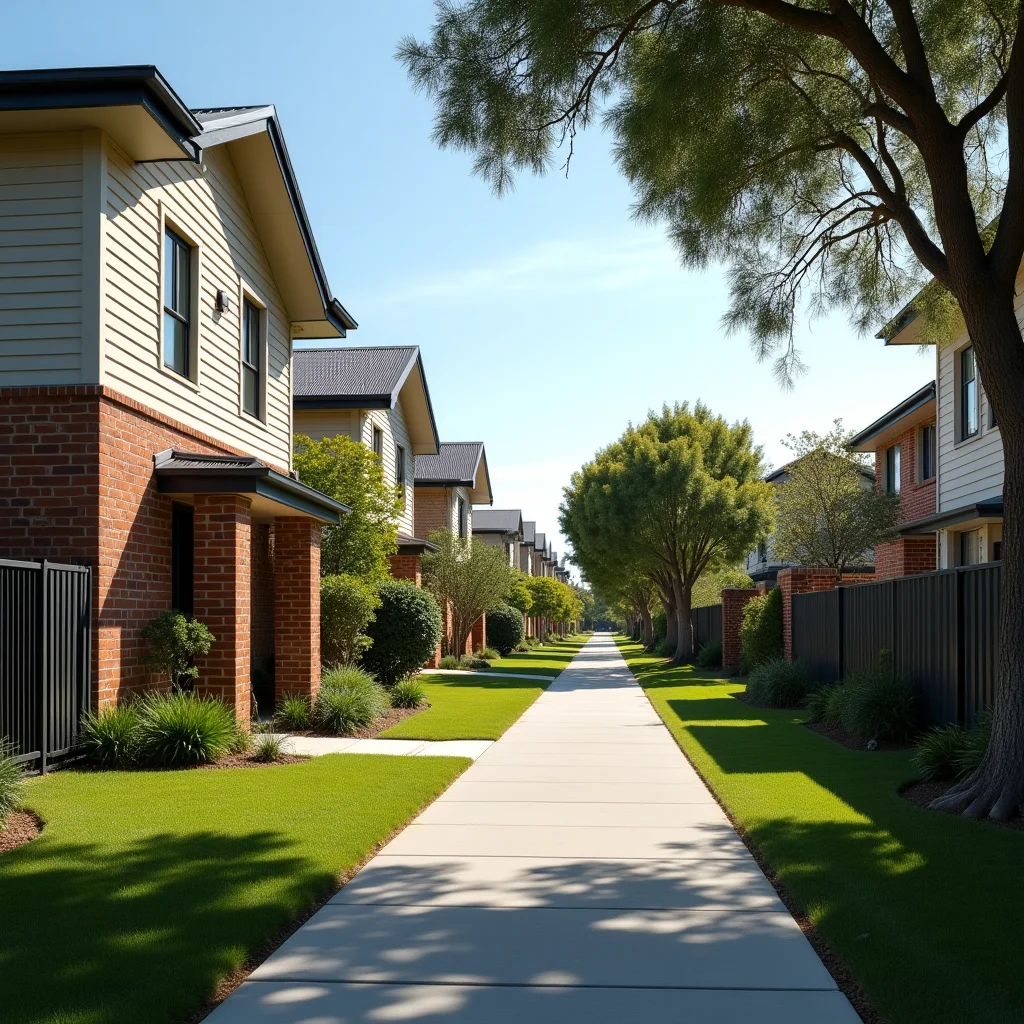
A Victorian couple reduced to $200 in superannuation after a $230,000 property disaster now lives in a camper behind their empty dream home. The case highlights dangerous gaps in standard home and contents insurance that leave property owners exposed to devastating financial losses.
Standard Home Insurance Falls Short of Total Protection
Traditional home and contents policies typically cover structural damage from insured events like fire, storm, and theft. However, many policies exclude consequential losses, alternative accommodation beyond 12 months, and professional fees that can spiral during complex claims processes.
The Victorian couple's experience demonstrates how property disasters create multiple financial pressures simultaneously. While structural repairs drain savings, ongoing mortgage payments continue regardless of habitability. Most standard policies provide temporary accommodation allowances between $20,000 and $50,000 annually—insufficient for extended displacement periods.
Property owners often discover their insurance shortfalls only after disaster strikes, when alternative accommodation costs and professional fees compound structural repair expenses.
Critical Coverage Gaps in Australian Home Insurance
Australian home insurance policies commonly exclude gradual deterioration, earth movement, and consequential business losses for home-based operations. These exclusions create significant exposure for property owners facing complex damage scenarios.
Income protection becomes crucial when property disasters prevent rental income or force business interruption. Standard landlord insurance covers rental default but typically caps loss of rent at 26 weeks. Extended displacement scenarios exceed these limits, leaving investors without income streams while maintaining debt service obligations.
Legal liability coverage varies dramatically between insurers. Basic policies provide $20 million public liability, while comprehensive options extend to $50 million. Given Australia's litigious environment, insufficient coverage creates personal asset exposure.
Building Insurance Requirements and Cost Considerations
Building sum insured calculations must account for total rebuild costs including demolition, site preparation, and professional fees. Underinsurance penalties apply when sum insured falls below 80% of replacement value, reducing claim payments proportionally.
Premium variations reflect risk assessments across flood zones, bushfire areas, and cyclone regions. Northern Queensland properties face premiums 300% above national averages, while flood-prone areas require separate flood insurance beyond standard storm coverage.
Strata properties create additional complexity as owners corporation insurance covers common areas while unit insurance covers fixtures, fittings, and contents. Coverage gaps emerge when policies conflict or exclude specific building elements.
Protecting Against Property Insurance Disasters
Property owners must conduct annual insurance reviews comparing sum insured amounts against current rebuild costs. Construction cost inflation averages 4.5% annually, requiring regular adjustments to maintain adequate coverage.
For comprehensive protection, consider extended replacement cover that provides 125% of sum insured for unforeseen cost escalations. Emergency accommodation coverage should extend beyond standard 12-month limits for major damage scenarios.
Property investors require specialised landlord insurance combining building, contents, and rental default coverage. Income protection insurance provides personal financial security when property disasters disrupt rental streams. For a comprehensive overview, see our Property Insurance Guide.
This article was produced with AI assistance and reviewed for accuracy. Content is for informational purposes only and does not constitute financial or property investment advice.