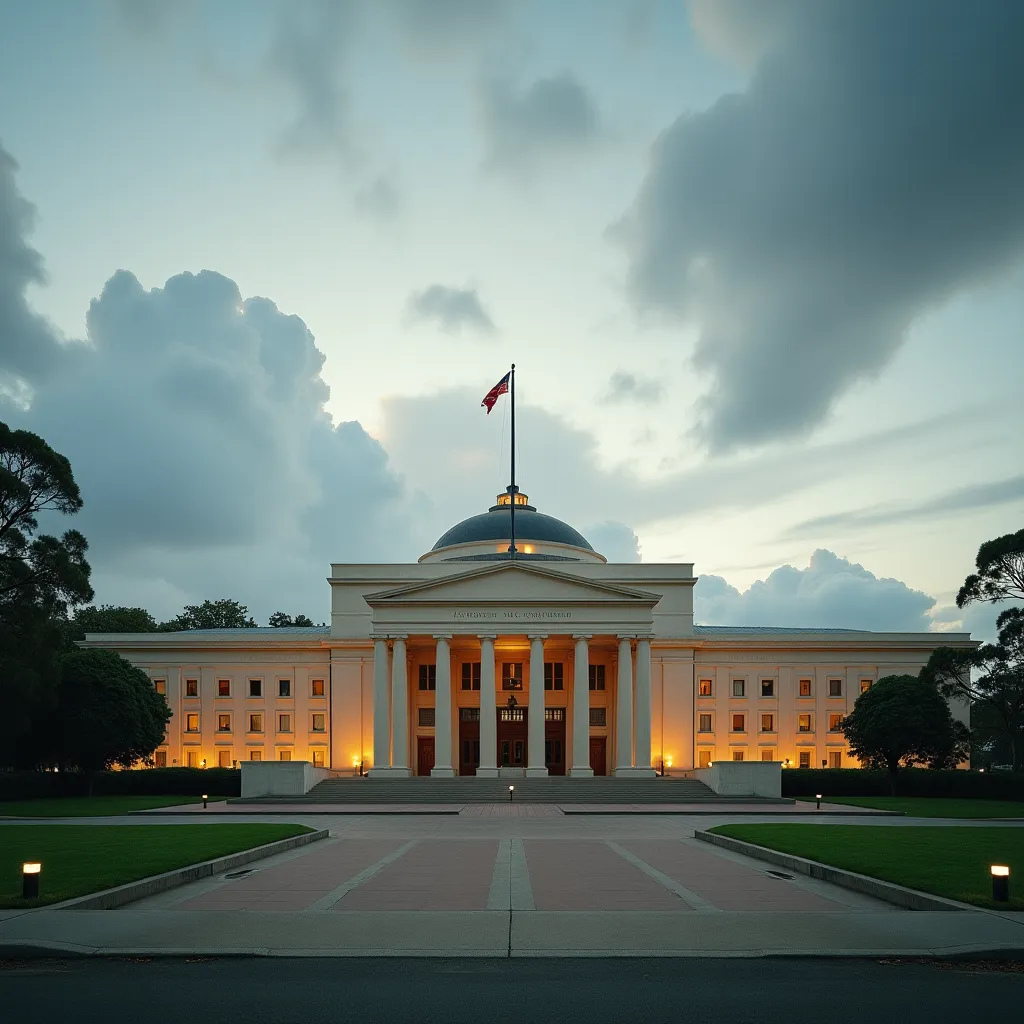
According to
The Guardian Australia, the Albanese government has backtracked on plans to sell Victoria Barracks in Sydney and Melbourne, along with Fort Queenscliff and RAAF Base Point Cook, after sustained public backlash. The sale of the Sydney and Melbourne barracks alone had been expected to raise $1.3bn, given their prime locations in Australia's two biggest capital cities.
The Backtrack, in Detail
Defence Minister Richard Marles framed the move as a question of priorities, saying the government needs to look at "how we best use defence money for defence capability" while still returning the sites' history "to all Australians." Prime Minister Anthony Albanese said Victoria Barracks Sydney holds a "special place in our nation's history."
The broader divestment plan has not been scrapped entirely. Up to $2.4bn was still expected from the sale of 26 major metropolitan sites — including holdings in Randwick, Sandringham, St Kilda, Petrie Terrace and Fremantle — with a goal of freeing land for roughly 6,000 new dwellings and saving about $3bn in upkeep and security costs over ten years. Defence expects personnel to have vacated six sites by year's end, meaning the pipeline of land coming onto the market is thinner than originally planned, but not dead.
Related reading: WealthWatchPro retirement and tax planning.
Why the Numbers Matter for the Budget and Housing Supply
Losing $1.3bn in expected proceeds from just two sites is a meaningful dent in a divestment program designed to offset $3bn in federal budget pressure. Ahead of an important cabinet meeting on the budget on Monday, the Albanese government confirmed on Sunday that four sites will remain publicly owned.
The housing supply angle is the part most relevant to this masthead's readers. Treasurer Jim Chalmers has separately pointed to fuel prices tied to the Middle East conflict as the "primary driver" of current inflation rather than budget settings, which is relevant context given the official interest rate was lifted to an 18-year high of 4.85% this week.
For investors and developers tracking surplus government land as a future supply channel, this is a signal to treat divestment pipelines as politically contestable rather than guaranteed. Large, visible heritage assets attract organised opposition that smaller, obscure parcels do not.
Background: Stamp Duty and the Mechanics of Government Land Sales
For readers wanting the full state-by-state breakdown of how these costs are calculated, see the Stamp Duty in Australia — State by State Guide.
The broader framework governing how investors and developers approach taxation on acquired land — including depreciation on any resulting new-build dwellings — is covered in the Australian Property Tax Guide.
What This Means for Buyers, Developers and Local Markets
For prospective buyers in Sydney and Melbourne, the practical impact is marginal in the near term.
Developers watching the remaining 26-site program — including Sandringham, St Kilda, Petrie Terrace and Fremantle — should treat the Victoria Barracks reversal as a case study in execution risk.
Buyers researching any future ex-defence site release should apply the same diligence as any other acquisition — understanding conveyancing timelines, potential heritage encumbrances and build quality risk. Resources such as Conveyancing Explained and Building and Pest Inspections in Australia remain relevant regardless of whether the vendor is a private owner or the Commonwealth. Engaging a buyer's agent familiar with ex-government land transactions can also help navigate the slower, more bureaucratic settlement processes typical of these sales.
This article was produced with AI assistance and reviewed for accuracy. Content is for informational purposes only and does not constitute financial or property investment advice.