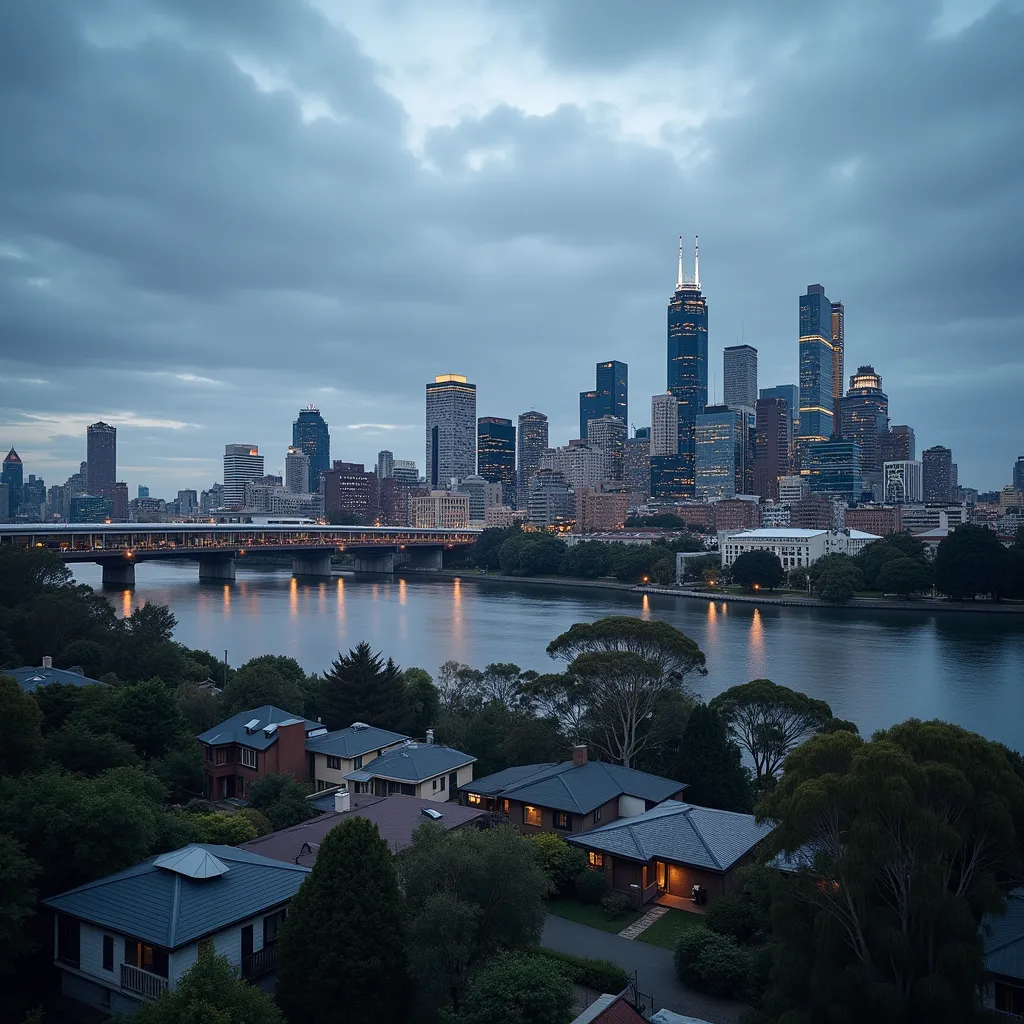
According to The Age, Sydney's eastern suburbs posted an auction clearance rate of 55.3% in October, the highest of any region in Greater Sydney, while the citywide rate fell to 47.9%, the weakest October result since 2018. A luxurious Bronte home sold for $12.12 million at auction in the same month.
The East Bucks a Sliding Market
Domain data cited by The Age shows the eastern suburbs' 55.3% clearance rate for October comfortably outpaced every other Sydney region, ahead of City and Inner South (52.8%) and Inner West (51.6%), while Outer West and Blue Mountains languished at just 34.1%.
Related reading: REAStats suburb clearance rates and market data.
Domain chief residential economist Dr Nicola Powell attributed the overall slide to buyers reacting to interest rate hikes and the federal budget's tax policy changes affecting investment property. Powell said premium areas such as the eastern suburbs fell in price earlier than elsewhere. "Sydney is a buyer's market. That is what that clearance rate tells me; it is screaming buyer's market," she said, describing the eastern suburbs as "high-income, equity-rich locations" where owners are less exposed to rate rises and more motivated by the chance to buy a dream home at a discount.
Ray White Eastern Beaches selling agent Angus Gorrie told The Age that stock levels in his patch were lower than usual, and that sellers listing now have typically already adjusted their price expectations.
Why Equity-Rich Buyers Are Moving First
When Powell notes eastern suburbs buyers "could be less impacted by rate hikes and more impacted by the opportunity of purchasing," she is describing a cohort for whom affordability constraints bind less tightly, and for whom a price pullback in a tightly held, desirable location looks like an entry point rather than a risk.
Context: Reforms Arriving November 17
The clearance rate story is unfolding against a regulatory shift. From November 17, NSW real estate agents must include a selling price or price range on listings, ending the practice of advertising "price on inquiry." The reform follows an SMH/Age investigation that found almost half of Sydney auction sales went above the guide by more than 10%, and agents will now be required to use the three most comparable sales when setting or revising estimated prices.
McKibbin said the government had designed a regulatory environment that works only in a market that is heading north, not one that is stagnating or in some areas has come off quite sharply.
What It Means for Buyers and Sellers
For buyers with strong deposits, the eastern suburbs data points to a genuine window: Sydney's median house value has fallen 11.1% this year on Cotality figures cited by The Age, and premium pockets corrected earliest, meaning some of that adjustment may already be reflected in current guides. Buyers assessing a purchase in this segment should still weigh financing structure carefully — those using family guarantee or LMI arrangements rather than large cash deposits will feel rate sensitivity more acutely than the equity-rich buyers driving eastern suburbs clearance rates.
For sellers outside the eastern suburbs, the record 28.5% withdrawal rate is a warning sign. Pulling a listing rather than adjusting price does not solve a mismatch between vendor expectations and buyer appetite; it defers the problem. Agents such as Tyrrell suggest auctions are performing better where vendors accept "the new prices," implying that sellers willing to price realistically from the outset, rather than testing the market and withdrawing, are more likely to transact.
Rising interest rates and changes to the tax treatment of investment properties have made potential buyers more cautious. Those assessing hold-versus-sell decisions should consult resources such as Capital Gains Tax on Australian Property before acting, particularly given the incoming NSW price transparency rules that will make comparable sales data more visible to all parties from November 17 and a further statement-of-information requirement from February 8.
Buyers researching a target suburb's own trajectory, rather than relying on citywide averages that can mask regional divergence as stark as the 21-percentage-point gap between the eastern suburbs and the Outer West, should consider a structured approach such as How to Research a Suburb Before Buying. Further reading: Regional vs City Property Investment in Australia and What is a Buyer's Agent?.
For real estate agent rankings, suburb statistics and clearance rate data, see REAStats — Australia's independent property intelligence hub. Visit REAStats — Agent and Suburb Data →
This article was produced with AI assistance and reviewed for accuracy. Content is for informational purposes only and does not constitute financial or property investment advice.