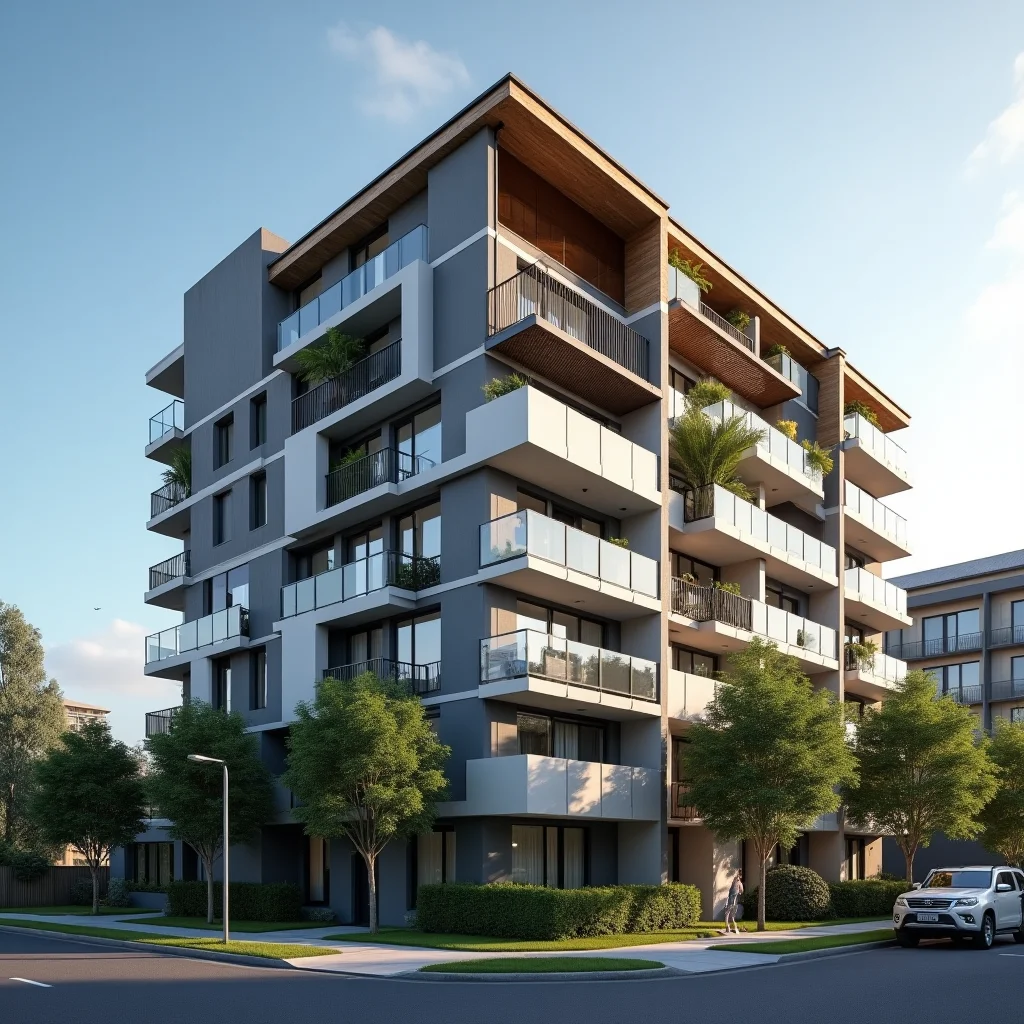
The Strata EV Problem Is Bigger Than a Parking Space
For the vast majority of strata residents, installing an EV charger is not as simple as plugging into the wall. Most strata buildings — apartments, townhouse complexes, and mixed-use developments — have shared electrical infrastructure that was designed and built long before EVs entered the mainstream. Adding a dedicated charging point to a single unit typically requires accessing common property, upgrading switchboards, and drawing additional load from a shared supply, all of which fall under the jurisdiction of the owners corporation. As realestate.com.au reports, Australia's two million strata residents have been urged to make key checks before considering the switch to an electric vehicle — a step that is well worth heeding, given the layers of approval and compliance involved.
For strata owners keen to understand the full framework governing their property, our encyclopedia entry on Strata Title vs Torrens Title Explained provides a detailed breakdown of how ownership boundaries, common property, and decision-making authority work across different title structures. Understanding where your lot ends and common property begins is the essential first step before any EV charger discussion with your owners corporation.
For additional market context, see REAStats property market data.
Where Strata Insurance Gets Complicated
The risk is not theoretical. EV charger fires, though statistically rare, do occur — and when they occur in a shared basement or car park, the consequences extend well beyond the individual owner. A fire that damages common property, neighbouring vehicles, or the building structure can generate insurance claims that affect the entire owners corporation. If the charger was installed without proper approval, or if the installation was not completed by a licensed electrician to the required standard, the insurer covering the strata building may dispute or reduce any claim. That dispute will inevitably involve the owner who installed the charger — and potentially every owner in the scheme through increased premiums or excess payments at renewal.
In a strata scheme, the insurance chain runs in multiple directions simultaneously. An individual owner's upgrade decision can trigger a building-wide insurance event — and the liability for that chain reaction is rarely clear-cut until after the damage is done.
Owners should request a copy of the current strata building insurance certificate of currency before lodging any EV charger application. They should confirm explicitly with the insurer whether charger installations in car spaces are covered under the existing policy, and whether a licensed installation by a certified electrician is a precondition of any claim. For a comprehensive overview of what strata insurance covers — and critically, what it does not — see our Property Insurance Guide. Owners corporations should also consider whether their public liability coverage is adequate given the increased electrical load and associated fire risk.
Approval, Liability, and the Role of the Owners Corporation
In buildings where the owners corporation agrees to install shared EV charging infrastructure — rather than individual owner-by-owner installations — the insurance picture becomes cleaner. Shared infrastructure installed as a common property improvement, approved by a general meeting, and funded through levies, falls clearly within the scope of the strata building insurance policy. The upfront cost is higher, but the liability and insurance ambiguity is substantially reduced for individual owners.
What Strata Owners Must Do Before Buying an EV
The practical checklist for any strata owner considering an EV purchase starts well before visiting a dealership. First, review the strata by-laws for your scheme — specifically any provisions covering alterations to common property, electrical installations, and car space usage. If no relevant by-laws exist, your owners corporation will need to pass new ones, which takes time. Second, commission a licensed electrician to assess the building's electrical capacity. Many older apartment buildings — particularly those built before 2010 — lack the switchboard capacity to support multiple dedicated EV charging circuits without significant infrastructure upgrades.
Third, contact the insurer holding the strata building policy and get written confirmation of what is and is not covered in relation to EV charger installations. Do not rely on verbal reassurances. Fourth, obtain three quotes for the installation and ensure every quote specifies compliance with Australian Standards AS/NZS 3000 and any state-specific electrical safety requirements. An installation that does not meet these standards will almost certainly void coverage under any insurance policy — strata, home and contents, or otherwise. Fifth, table a formal motion at the next general meeting rather than seeking informal committee approval; general meeting resolutions provide far stronger legal standing if a dispute arises later.
Strata residents who are still in the process of purchasing a property and weighing up the implications of strata title should also consider how loan structuring affects their flexibility to fund building improvements. Understanding financial tools like an offset account versus a redraw facility can make a material difference to how quickly owners can fund special levies or approved improvements — including EV charging upgrades — without disrupting their primary mortgage.
The intersection of EV adoption, strata governance, and insurance coverage is one of the most practical and underappreciated risks facing apartment owners in 2026. For the two million Australians living in strata-titled properties, the time to understand the insurance framework is before the charger is installed — not after the first incident report is filed.
This article was produced with AI assistance and reviewed for accuracy. Content is for informational purposes only and does not constitute financial or property investment advice.