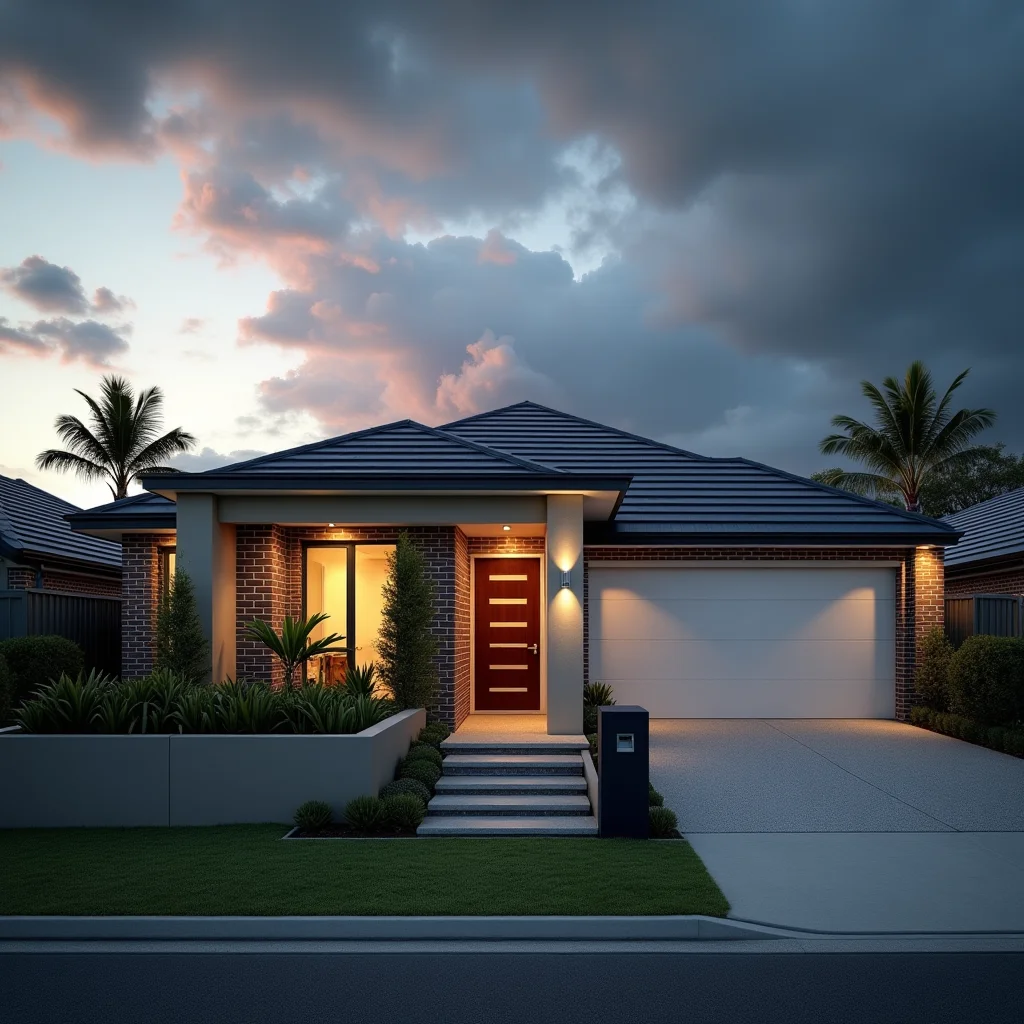
According to realestate.com.au, the $1.5 billion SkyRidge masterplanned community at Worongary has recorded a $3.26 million home sale and a separate $1,950-per-week lease, confirming that premium demand in Queensland's south-east is pressing further into high-value territory. These are not numbers that standard landlord insurance policies are built for.
When Premium Rent Meets Standard Policy Limits
The gap matters because landlord insurance is underwritten on assumptions about typical rental income. When weekly rent sits at $1,950, the annual income figure alone — before accounting for any damage, legal fees to pursue recovery, or vacancy costs during rectification — is substantial. Many off-the-shelf policies sold through comparison sites are specifically designed around mid-market properties, and their rent default limits, sum-insured for contents, and legal liability caps may not reflect what a luxury property actually requires. Investors operating in the Gold Coast's emerging prestige rental belt need to review policy schedules with this in mind.
Queensland's Insurance Market Context
The SkyRidge sale comes at a time when building insurance costs are a live concern for Queensland property owners. For a $3.26 million dwelling, the building sum insured must reflect full replacement cost — not market value — and construction costs are a material consideration when setting that figure. A property purchased for $3.26 million may cost a materially different amount to rebuild from scratch, meaning investors who insure to purchase price risk being underinsured before the first tenant signs a lease.
Underinsurance is a widely recognised risk for residential landlords in Australia, and it is particularly relevant in high-value markets. Where a sum insured falls short of true replacement cost, many policies apply a proportional averaging clause — meaning the insurer pays out only the same proportion of any claim as the sum insured bears to the actual replacement value. On a major damage claim, this can leave an investor significantly out of pocket. The Gold Coast's premium estate market, where construction quality and fittings push replacement costs well above comparable land-value benchmarks, amplifies this risk considerably. Tracking Queensland property market data through resources like REAStats can help investors benchmark their holdings and keep insurance valuations current.
Landlords in masterplanned communities like SkyRidge face an additional complication: the boundary between what the body corporate building policy covers and what a landlord's individual policy must cover is not always clear. In a Torrens-titled freehold house within a masterplanned estate, the owner carries full building insurance responsibility. But where estate amenities, shared infrastructure, or common property are involved, confirming the precise coverage boundary with both the body corporate manager and a personal insurer is essential before assuming any coverage applies. The related guide on Strata Title vs Torrens Title explains the structural differences that determine these obligations.
Background: Stamp Duty and the True Cost of Entry at This Price Point
For context on what it costs to acquire a $3.26 million Queensland investment property, stamp duty (transfer duty) is a material consideration. Queensland applies a progressive transfer duty scale, and at this price point the duty payable is substantial. Understanding the full cost of entry, including duty, is essential for modelling insurance-to-asset ratios and overall portfolio exposure. The Stamp Duty in Australia — State by State Guide provides a detailed breakdown of Queensland's transfer duty tiers and how they compare across states, which is particularly relevant when an investor is weighing a Queensland prestige acquisition against comparable southern-states alternatives.
It is also worth placing the SkyRidge transaction in a broader supply context. Masterplanned communities tend to deliver more uniform build quality and estate infrastructure than infill development, which has implications for both building insurance (predictable construction standards) and landlord insurance (tenant quality and rental demand visibility). SkyRidge's reported $1.5 billion in total project value suggests a long construction pipeline — meaning rental demand and therefore insurance requirements for early-stage investors may evolve significantly as the community fills out.
At $1,950 per week, a SkyRidge rental property sits firmly at the upper end of the Queensland residential leasing market — yet landlord insurance products have not consistently kept pace with the premium rental segment, leaving high-value property owners exposed to policy limits designed for median-priced assets.
What Landlords in Premium Rental Markets Should Do Now
Landlords holding or acquiring high-value rental properties on the Gold Coast — or in any market where weekly rents consistently exceed $1,500 — should take three specific actions. First, commission an independent replacement cost assessment from a quantity surveyor, not a real estate appraisal. Market value and replacement cost can diverge significantly in prestige estates, and the gap exposes investors to averaging clauses that insurers will enforce at claim time. Second, confirm the rent default claim period in the policy schedule and negotiate upward if necessary — specialist insurers can vary the extent of default cover available for high-value properties, and reviewing these terms carefully at this rent level is worthwhile.
Third, review liability cover. A $3.26 million property may attract tenants whose claims for personal injury or property damage — should something go wrong — could be adjudicated at a scale that warrants higher liability limits than a standard policy may provide. Prestige property management introduces a corresponding prestige-level liability risk. This is one area where the choice of property manager also matters: a buyer's agent or property manager experienced in high-value leasing will generally understand these insurance nuances and can refer owners to appropriate specialist underwriters rather than generic comparison products.
Finally, investors buying into masterplanned estate markets for the first time should read the developer's disclosure documents carefully for any insurance obligations embedded in estate covenants. Some masterplanned communities require owners to maintain minimum building insurance standards as a condition of estate membership — a requirement that can affect policy selection and premium cost
This article was produced with AI assistance and reviewed for accuracy. Content is for informational purposes only and does not constitute financial or property investment advice.