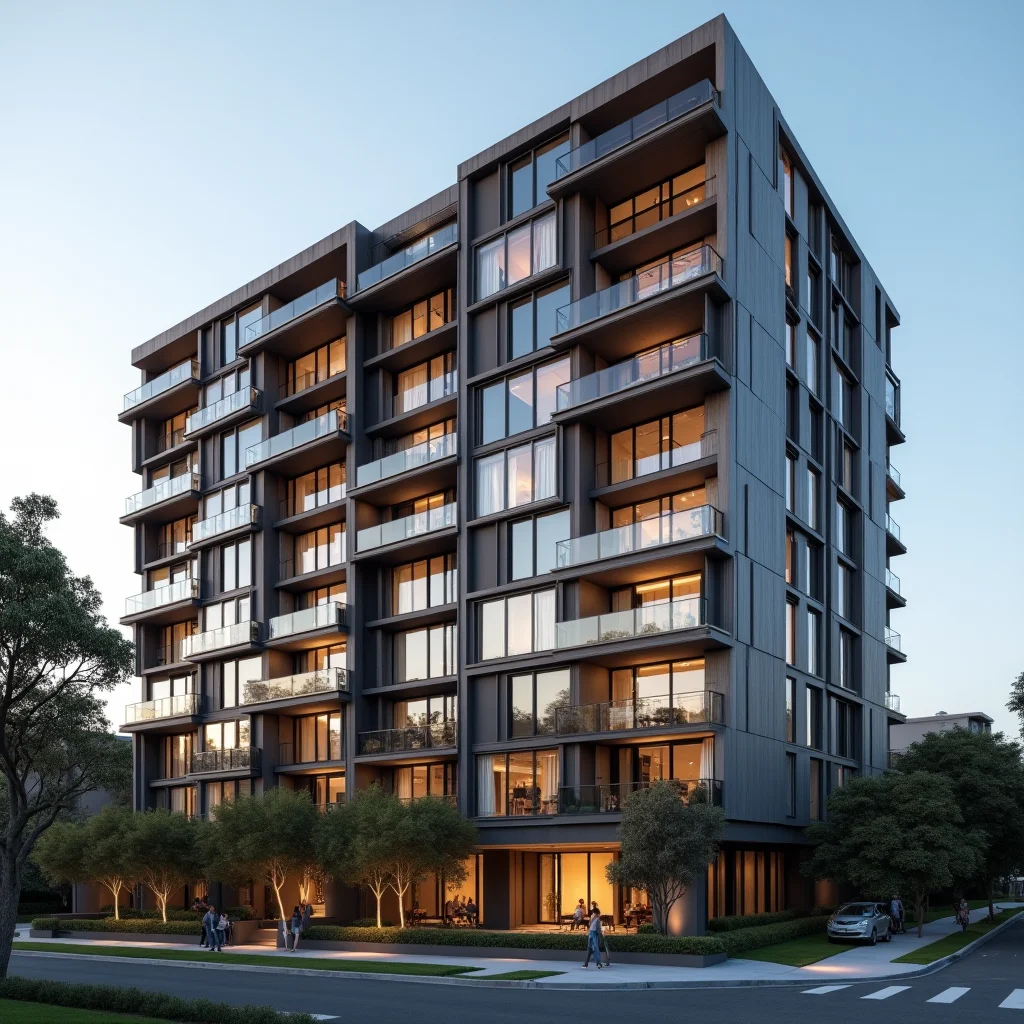
The Queenscliff Case and Why Definitions Matter
The Queenscliff site's history involved contamination that had to be professionally remediated before the land could legally return to market, with the earlier compensation dispute underlining how costly it can be when a property defect or hazard is discovered after settlement. Waterfront and coastal land carries its own layer of risk beyond contamination — proximity to tidal water, stormwater easements and drainage infrastructure all affect how a home insurer classifies water damage if something goes wrong down the track.
This matters because Australian home and landlord insurance policies do not treat all water damage the same way. A policy might define flood as the escape of water from a natural body — a river, creek, lake or the sea — that inundates normally dry land. Storm damage typically refers to wind, rain, hail or debris impact during a definable severe weather event. Stormwater is different again: it usually refers to runoff from drains, gutters, or council infrastructure that has not come from a natural watercourse.
The distinction is not academic. An insurer that assesses a claim as "flood" under a policy that excludes flood cover, or caps it separately, may deny or heavily limit a payout — even where the water damage looks identical to a claim that would be paid in full under the storm or stormwater category. Homeowners near waterfront sites, canal estates, or low-lying coastal land, like the Queenscliff lots now returning to market, are precisely the buyers who need to understand this distinction before they sign a contract.
For a property with a documented history of remediation or environmental sensitivity, buyers should also request disclosure of any prior insurance claims or contamination orders tied to the title, since these can affect future insurability and premium loading.
How Insurers Actually Draw the Line
Storm damage sits under a separate heading and is usually easier to establish, because it is tied to a specific weather event — wind gusts, hail, or heavy rain causing direct structural damage during a storm. Most standard building and contents policies include storm cover as a base inclusion, whereas flood cover is often an optional add-on that pushes the premium higher, particularly in mapped flood-risk zones.
The practical reality is that many homeowners only discover which category their damage falls into after they lodge a claim — by which point the difference between a fully covered storm event and an excluded flood event can be the difference between a full rebuild and a rejected claim.
Stormwater damage occupies a middle ground that catches many claimants out. If water backs up through council drains, overwhelmed gutters, or blocked stormwater pipes and enters a home, some insurers treat this as a flood-adjacent event subject to flood exclusions, while others treat it as a maintenance issue tied to blocked or poorly maintained drainage — which can itself be excluded under general wear-and-tear clauses.
Where the Encyclopedia Guide Fits
Understanding these definitions is only half the picture. The other half is understanding how your finance structure interacts with insurance obligations, particularly around building requirements tied to your mortgage. Lenders generally require adequate building insurance as a condition of a home loan, and the way that requirement interacts with fixed and variable rate products is explained in the APF encyclopedia entry on Fixed vs Variable Rate Mortgage Australia 2026, which covers how repayment certainty and flexibility trade off against each other in the current rate cycle.
Buyers considering strata properties near water, such as coastal apartment blocks, should also understand that flood, storm and stormwater definitions apply differently under strata insurance, where the body corporate — not the individual owner — typically holds the building policy. The distinction between what an owner insures and what the strata scheme insures is covered in the APF guide to Strata Title vs Torrens Title.
Practical Steps for Buyers, Owners and Landlords
Before purchasing waterfront, canal-front or low-lying property — including remediated sites like the Queenscliff lots — buyers should request a flood risk report or check local council flood mapping, since many insurers price flood cover based on address-level risk data rather than a blanket regional rate. Where a property sits in a mapped flood zone, expect either a higher premium for flood cover, a capped payout, or in some cases an outright exclusion, and factor that cost into the purchase decision rather than discovering it after settlement.
For existing homeowners and landlords, the most useful exercise is a policy audit: pull out the product disclosure statement and check the specific definitions of flood, storm and stormwater, rather than assuming standard cover extends to all forms of water damage. Landlords in particular should confirm whether their landlord insurance policy mirrors or diverges from the owner-occupier definitions used in standard home and contents policies, since investment property cover sometimes carries narrower water damage terms.
If a property has any history of remediation, prior contamination, or insurance disputes — as with the Queenscliff site's earlier compensation claim — disclose this to insurers at the point of quoting, not after a claim is lodged, since non-disclosure can be grounds for a reduced payout or claim rejection regardless of which water damage category applies.
Working through fixed costs like insurance premiums alongside mortgage repayment structures gives a fuller picture of ongoing ownership costs, an area covered in more depth through REAStats, which tracks property market data relevant to holding costs across Australian regions.
For a comprehensive overview, see our Property Insurance Guide.
This article was produced with AI assistance and reviewed for accuracy. Content is for informational purposes only and does not constitute financial or property investment advice.