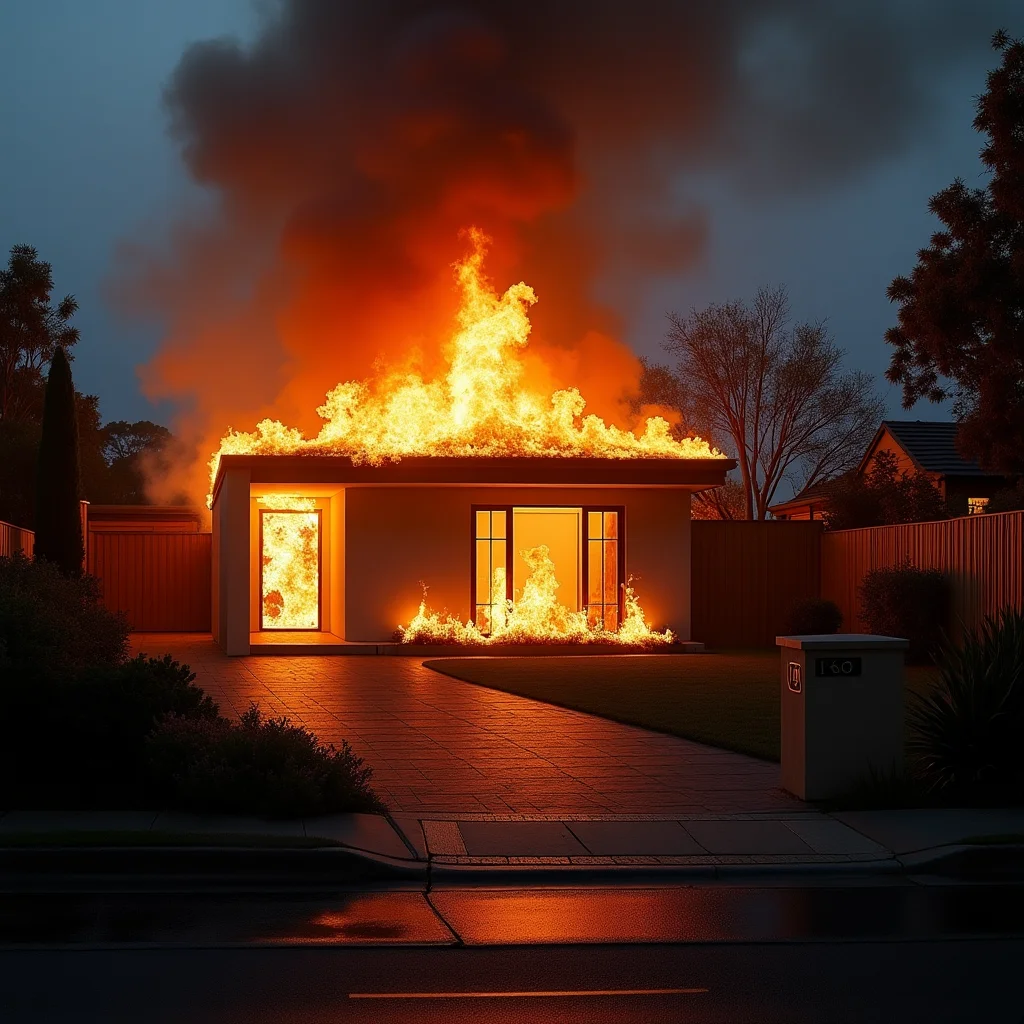
According to realestate.com.au, a fire-ravaged western Sydney home with boarded-up windows sold above its reserve at auction despite buyers being unable to step inside the property. The result came even as realestate.com.au reported fewer Sydney auctions overall are producing standout outcomes this spring, making the fire-damaged sale a notable outlier in a cooling clearance environment.
A Damaged House, a Hot Result
The western Sydney property had been gutted by fire, leaving its windows boarded and its interior off-limits to prospective buyers during the campaign. Despite this, bidding pushed the final price above the vendor's reserve, according to realestate.com.au's reporting. The result suggests that land value and location can outweigh the physical condition of a dwelling, particularly in established western Sydney pockets where development or rebuild potential underpins buyer appetite.
This is not an isolated curiosity. Damaged, deceased-estate and renovator properties regularly draw strong bidding in Sydney because buyers are pricing the land, not the structure. The report noted that this sale stood out specifically because broader Sydney auction activity has become less dynamic, with fewer properties achieving the kind of competitive bidding seen in previous cycles. A fire-damaged home outperforming expectations against that backdrop signals a two-speed market: scarcity-driven assets still attract depth of bidding, while ordinary stock is seeing thinner competition.
For buyers, the key takeaway is that condition reports and visual inspection limitations do not necessarily dampen demand when the underlying land or rebuild opportunity is compelling. For sellers holding damaged property, this result is a reminder that an insurance payout delay or a slow repair timeline does not automatically mean a depressed sale price — provided the asset's fundamentals (location, zoning, block size) remain attractive to buyers willing to take on renovation or rebuild risk.
What Fire Damage Means for Insurance and Disclosure
This result shows how, in pockets where supply is tight, the appeal of land and rebuild potential can outweigh the usual discount buyers might expect for structural damage, even when the interior could not be inspected before auction.
This matters because insurance settlements on fire claims can take months, and vendors sometimes choose to sell "as is" rather than wait for a rebuild or full repair. Buyers taking on a fire-damaged property need to understand whether they are inheriting an existing insurance claim, a cash settlement already paid out, or a property that has had no claim lodged at all. Each scenario carries different cost and timeline implications for securing new building insurance, since insurers will want details of the fire's cause, extent of damage and any remediation completed before issuing fresh cover.
Buyers of damaged property should also expect higher premiums or more stringent underwriting conditions when seeking new landlord or building insurance, particularly if the fire's cause (electrical fault, cooking incident, arson) was not resolved or documented. Lenders may also require evidence of adequate insurance cover before settlement, which can complicate finance approval on a property purchased sight-unseen internally.
Context: Buying Damaged Property and the Insurance Gap
Purchasing a fire-damaged or otherwise impaired property shares risk characteristics with buying off the plan property, in the sense that the buyer is committing capital without full certainty over the final condition or cost of completion. Just as off-the-plan buyers face construction delay and variation risk, buyers of fire-damaged homes face uncertainty over repair costs, insurance claim status and whether local council requires upgraded compliance work (fire safety, electrical, structural) before reoccupation.
Strata-titled damaged properties add another layer, since body corporate building insurance typically covers common property and the building structure, while owners carry contents and improvements separately — a distinction explained in detail in the Strata Title vs Torrens Title guide. A fire in a strata building can trigger disputes over whose policy pays for what, and delays in body corporate claims can leave individual lots unsellable or heavily discounted until remediation works are approved and funded.
Practical Steps for Buyers and Investors
Buyers considering a fire-damaged or storm-affected property at auction should request full disclosure of any existing or settled insurance claim before bidding, including the insurer's assessment report where available. Engaging a qualified building inspector to assess structural integrity — even where internal access is limited — is essential, since boarded windows can mask the true extent of smoke, water and structural damage beyond what is visible externally.
Investors should also budget for a premium loading when insuring a previously damaged property, as insurers will factor in the fire history when calculating landlord or building insurance pricing. It is worth obtaining insurance quotes before auction day, not after settlement, since some insurers may decline cover outright or impose exclusions on properties with unresolved fire history.
For those weighing land value against rebuild cost, comparing financing options and researching local property market data can help gauge whether a damaged-home purchase stacks up against buying an undamaged comparable in the same pocket. Buyers unsure of how to assess risk on a damaged asset may also benefit from engaging a professional, as outlined in our guide on what a buyer's agent does, particularly for out-of-area or first-time investors unfamiliar with fire-damage valuation.
For a comprehensive overview, see our Property Insurance Guide, which covers building insurance requirements, claims processes and how damage history affects future premiums across NSW and nationally.
The Sydney result underscores a broader lesson for the current cycle: condition is no longer the sole determinant of auction outcomes when supply is tight, but buyers taking on damaged stock must treat insurance status, disclosure and repair cost as central to their due diligence, not an afterthought resolved after settlement.
This article was produced with AI assistance and reviewed for accuracy. Content is for informational purposes only and does not constitute financial or property investment advice.