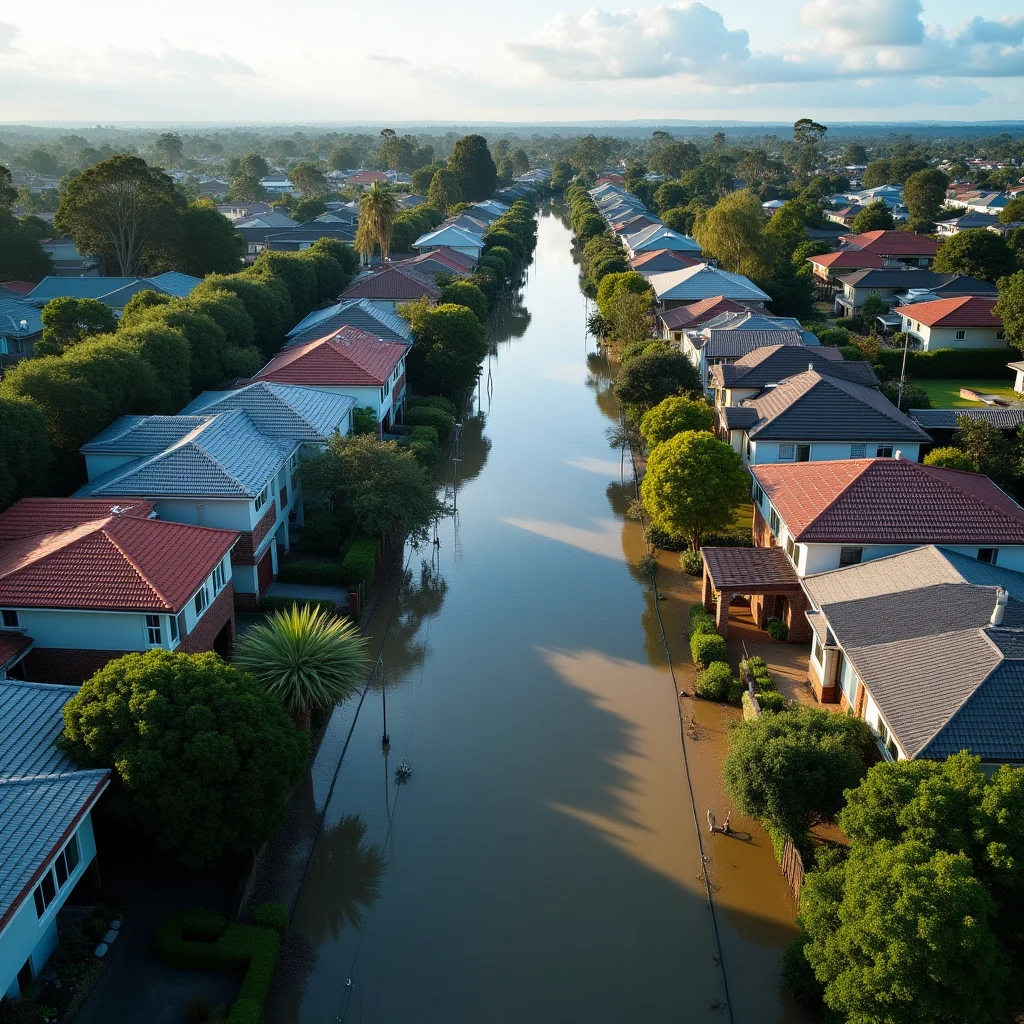
According to realestate.com.au, the owner had spent years renovating the family home, before a freak flood destroyed five years of renovation work. The owner had poured years of labour and money into the property before a single weather event undid it, forcing a sale rather than a rebuild.
The Story: Five Years of Work, Gone in a Flood
The property at the centre of this story was not a quick flip or an investment shell — it was a long-term, owner-occupied renovation project. Realestate.com.au reports the owner spent five years custom-building the home into a dream family residence, only for a flood to halt the renovation before it became a finished product. According to the source, the property has now been put up for auction following the flood damage, with the owner opting to sell rather than continue the renovation.
This sequence matters because it shows how quickly accumulated value can be wiped out by a single water event, regardless of how much time and capital went into the build. Renovation spend does not automatically translate into insurable value if the underlying policy was written for the pre-renovation structure, or if flood cover was excluded or capped. Many owner-builders update contents and fixtures over years without notifying their insurer of the increased rebuild cost, leaving them under-insured exactly when a major claim is needed.
For buyers now circling this auction, the practical question is not just what the home is worth today, but what condition report, disclosure documents and insurance history come with it. A flood-damaged property carries ongoing risk of latent structural issues — subfloor movement, hidden mould, compromised wiring — that a standard visual inspection may not catch. This is precisely the scenario where a proper building and pest inspection becomes non-negotiable rather than optional.
Why Flood and Cyclone Damage Keeps Exposing Insurance Gaps
Standard home and landlord insurance policies in Australia typically distinguish between storm damage and flood damage, with flood defined narrowly as the overflow of a natural watercourse or dam. A freak flood tied to a cyclone can sit awkwardly between these categories — wind and rain damage may be covered, but rising water from a burst creek or overwhelmed drainage system may not be, depending on the policy wording. Owners frequently discover this distinction only after lodging a claim, by which point the financial damage is already done.
When a substantial renovation is carried out without a matching review of the insurance policy, there is a real risk the cover no longer reflects the true rebuild cost of the finished home. In that situation, owners facing a major weather claim can be left to cover the shortfall themselves, and in some cases may choose to sell a damaged property rather than fund a rebuild out of pocket.
For property owners in cyclone or flood corridors, the lesson is to treat insurance review as a mandatory step at every major renovation milestone, not a one-off task completed at purchase. A policy taken out before a five-year renovation program will almost certainly understate the rebuild cost of the finished home, and may not reflect current flood risk mapping for the area either.
Background: What Buyers of Damaged Property Need to Check
Auctions involving storm or flood-damaged homes attract a specific type of buyer — renovators, developers and cash buyers willing to accept risk in exchange for a lower entry price. But accepting that risk blind is a costly mistake. Before bidding, prospective buyers should commission an independent structural assessment focused specifically on water damage history, not just a generic pre-purchase check. Our Building and Pest Inspections guide outlines what a proper inspection should cover, including moisture readings, subfloor access and timber pest risk that flood exposure can accelerate.
Buyers should also request the vendor's insurance claim history and any engineering reports completed after the flood event. Where a property is held under strata or community title, checking whether strata versus Torrens title arrangements affect who is responsible for common-area drainage and flood mitigation infrastructure can materially change the ongoing risk profile of the purchase.
Practical Implications for Owners, Buyers and Investors
For investors and landlords, this case is a reminder that landlord insurance policies carry the same flood-versus-storm distinctions as owner-occupier cover, and that a tenanted property under renovation can fall into a coverage grey zone if builders' risk insurance and the standard landlord policy do not overlap cleanly. For a comprehensive overview, see our Property Insurance Guide, which sets out how landlord, building and contents policies interact and where cover gaps commonly emerge.
Buyers considering a damaged-property auction should factor rebuild and re-insurance costs into their bid price, not just the visible renovation shortfall. Engaging a buyer's agent familiar with flood-affected regions can help identify whether the discount on offer genuinely compensates for the ongoing insurance and structural risk, or simply defers a bigger cost to the next owner. Reviewing broader market pricing trends can also help gauge whether the auction reserve reflects genuine distressed-sale value or an optimistic vendor expectation.
Ultimately, this auction is a case study in how insurance planning and renovation planning must move together. A home can accumulate five years of craftsmanship and still be undone in a single event if the policy behind it was never updated to match. For anyone renovating, insuring, or bidding on a flood-affected property, the cost of reviewing cover today is far smaller than the cost of discovering a gap after the water recedes.
For real estate agent rankings, suburb statistics and clearance rate data, see REAStats — Australia's independent property intelligence hub. Visit REAStats — Agent and Suburb Data →
This article was produced with AI assistance and reviewed for accuracy. Content is for informational purposes only and does not constitute financial or property investment advice.