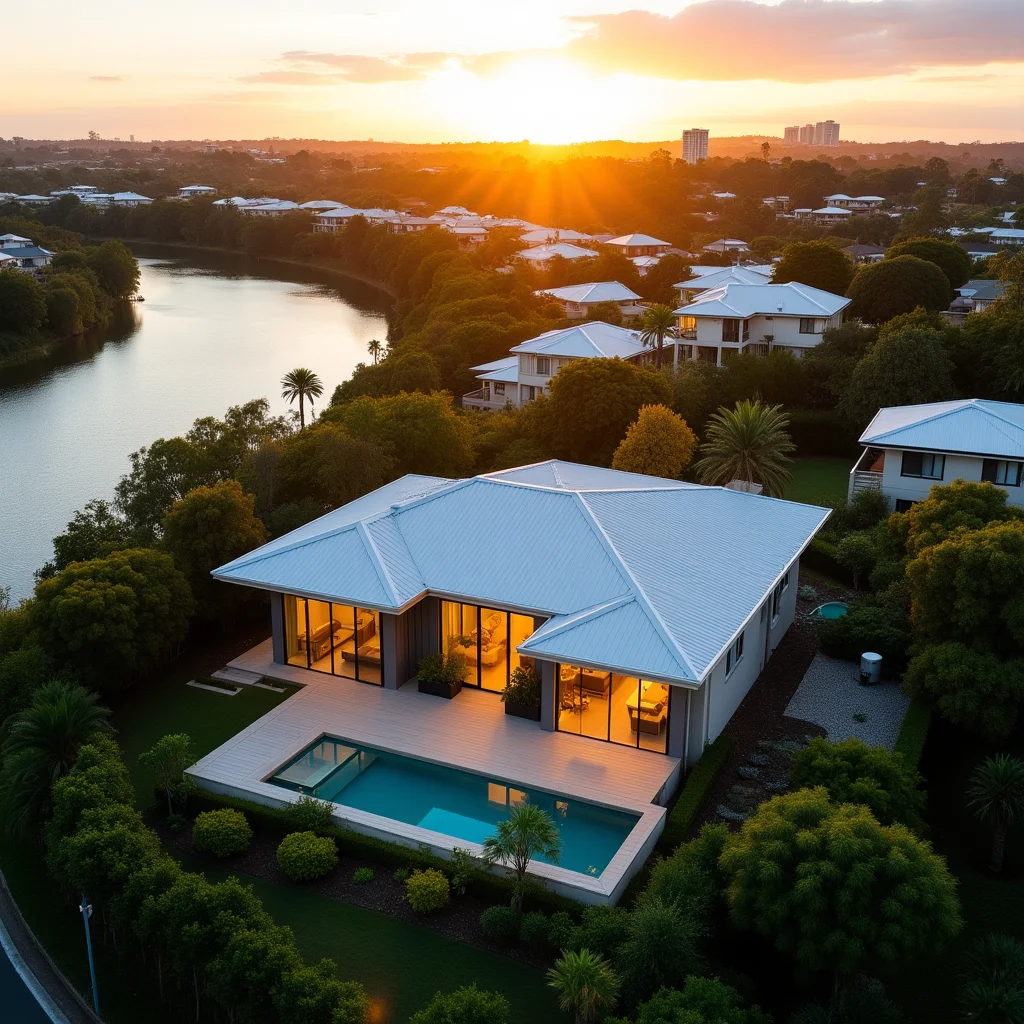
According to realestate.com.au, a property with water views has come to market for just $99,000 in a regional Australian area that is drawing increasing buyer attention — but, as the listing makes clear, there is a material catch attached to the price tag that separates it from a straightforward bargain.
What a $99,000 Listing Actually Signals in 2026
The property, advertised on realestate.com.au, sits in a regional market that has been attracting buyer interest as coastal and inland towns continue to draw buyers priced out of capital cities. The sheer novelty of the price guarantees attention — and with it, a flood of enquiries from buyers who may not have fully examined the conditions attached.
For additional market context, see WealthWatchPro investment market analysis.
Ultra-low price points in Australian regional markets almost invariably come with structural catches. These typically include leasehold or licence-based land tenure rather than freehold Torrens title, significant remediation requirements, zoning restrictions that limit use or redevelopment, or location in an area with constrained liquidity and long selling periods. Any one of these factors can convert an apparent bargain into an expensive commitment. Buyers who have not seen a property like this before can underestimate how comprehensively the catch reshapes the risk profile of the asset.
Historically, ultra-cheap listings in Australia have appeared in two distinct market contexts: genuine distress sales in declining regional economies, and structurally constrained properties that attract price-sensitive buyers before conditions are fully understood. The $99,000 price point, in an area described as attracting buyer interest, suggests the latter scenario is more likely here than a straight distress situation — which actually makes careful due diligence more important, not less.
The Regional Premium Paradox: Views vs Viability
Water views add genuine value in Australian property, but that value is conditional on the property being mortgageable, insurable, and resaleable at a reasonable cost of transaction. When a water-view property is priced at $99,000, the discount relative to any view premium signals that market participants have already factored in a significant structural constraint.
The gap between a property's aesthetic appeal and its investment viability is where many buyers come unstuck in regional markets. A home with water views in a location attracting growing buyer interest sounds like a strong rentvesting candidate — own in a cheaper market, rent where you live and work. But rentvesting only works when the investment property generates reliable rental income, maintains reasonable capital liquidity, and can be financed at competitive rates. A property with a title or structural catch may fail all three tests simultaneously, regardless of how attractive the view or the headline price appears.
At $99,000, a water-view property is priced below the cost of a new car — in a market where building a comparable structure from scratch would cost multiples of that figure. When price and replacement cost diverge that sharply, the catch is always in the title, the condition, or the exit.
Regional property investment carries specific risks that differ from capital city buying. Rental demand is thinner, vacancy rates are more volatile, and selling periods are longer. For investors considering properties at the extreme low end of the price spectrum, REAStats tracks regional market data including rental vacancy and days-on-market by locality — metrics that matter as much as the purchase price when assessing whether a cheap regional asset will actually perform.
Background: Why Cheap Regional Properties Attract and Confuse Buyers
Australia's two-speed property market — where regional markets diverge sharply from capital city conditions — creates a persistent information asymmetry. Buyers conditioned to capital city prices see regional listings and calculate apparent value based on yield at purchase price. That calculation ignores the structural reasons why the price is low in the first place. Understanding rentvesting as a strategy means understanding not just where to buy cheaply, but why a property is cheap — and whether those reasons are priced in or underestimated.
The broader context for 2026 is that regional property markets are diverging sharply. ANZ has flagged the possibility of an RBA rate rise by November or Christmas, according to REAStats, representing a second major bank warning of this kind. That rate risk hits high-yield, low-growth suburbs hardest, which would further compress buyer budgets and reduce the pool of purchasers able to act in thinner regional markets. In that environment, the resaleability of a constrained property becomes an even more critical underwriting question.
REAStats data for July 2026 illustrates just how wide the performance gap across regional and suburban markets has become — with Maroochydore recording annual growth of 8.5% against Dandenong at just 2.3%. That divergence matters for anyone treating a cheap regional purchase as a capital growth play rather than a yield story. The suburb you buy in can determine whether a constrained asset eventually becomes saleable at a profit, or simply becomes harder to exit.
Practical Steps Before Bidding on a Sub-$100k Property
Any buyer considering a property at this price point should begin with a title search before any other due diligence. Understanding whether the land is freehold, leasehold, strata, community title, or held under a licence agreement changes every downstream calculation — from lender eligibility to stamp duty liability to capital gains treatment on exit. The
This article was produced with AI assistance and reviewed for accuracy. Content is for informational purposes only and does not constitute financial or property investment advice.