Property renovation represents one of the most direct methods for Australian investors to manufacture equity and enhance rental yields, yet the difference between profitable improvement and costly overcapitalisation often hinges on strategic project selection and execution timing. The Australian property market rewards specific renovation approaches differently across capital cities and regional centres, with cosmetic improvements typically delivering superior risk-adjusted returns compared to structural modifications for most investment scenarios.
Cosmetic Versus Structural Renovation Strategy
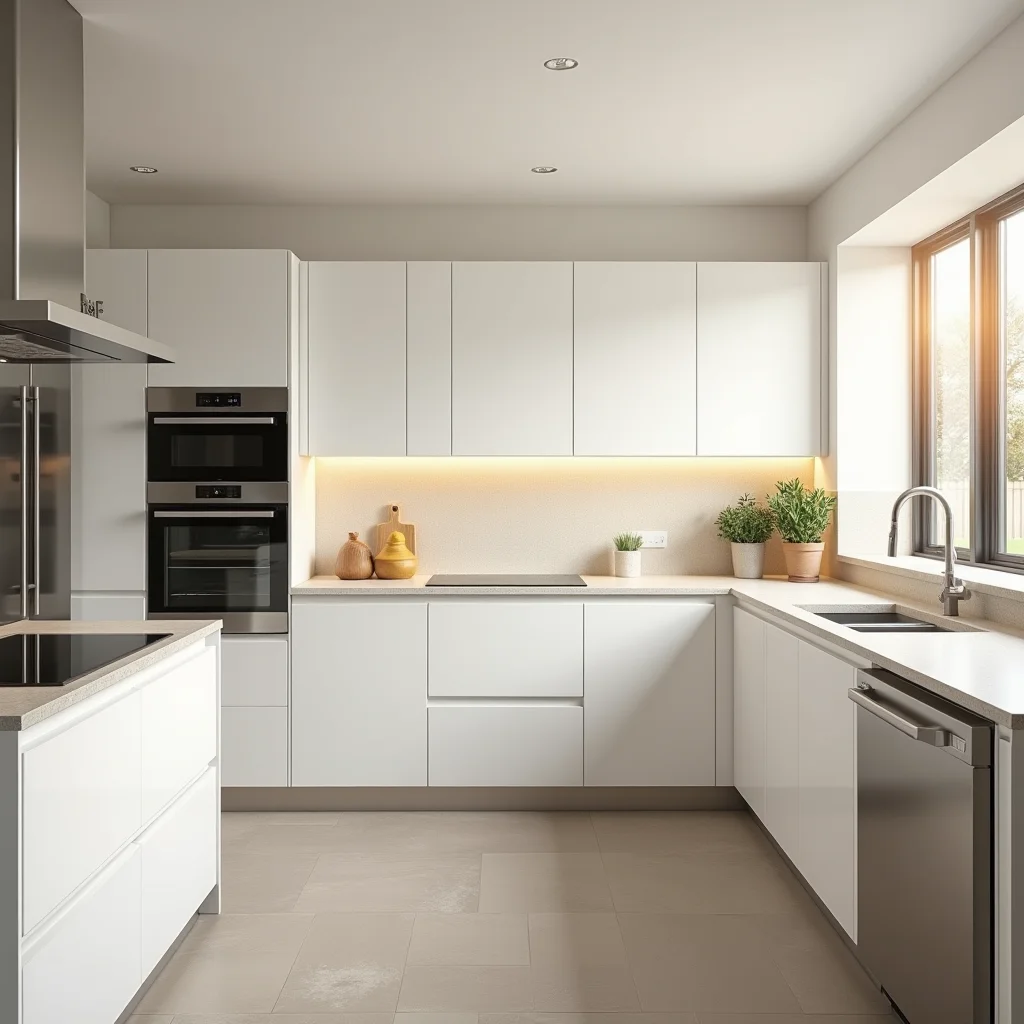
Cosmetic renovations focus on surface-level improvements that enhance property presentation and functionality without altering the fundamental structure. These include kitchen updates, bathroom refreshes, flooring replacement, interior painting, and landscaping enhancements. Structural renovations involve modifications to load-bearing elements, room additions, or significant layout changes requiring development approval.
The strategic advantage of cosmetic renovations lies in their lower capital requirements, shorter completion timeframes, and reduced regulatory complexity. A typical cosmetic renovation might cost $20,000-$50,000 and add $40,000-$80,000 in property value when executed in appropriate markets. Structural renovations, while potentially offering higher absolute returns, require substantially more capital ($100,000-$300,000+) and carry execution risks that can erode investor returns through cost overruns and extended vacancy periods.
Market timing significantly influences renovation strategy effectiveness. In rising markets, even modest cosmetic improvements can capture substantial value uplift, while declining markets may not support the premium pricing necessary to justify renovation expenditure. Investors should align renovation timing with local market cycles and avoid major improvements during periods of oversupply or economic uncertainty.
Return on Investment Analysis by Project Type
Australian renovation ROI varies significantly by project scope, location, and existing property condition. Kitchen and bathroom renovations consistently deliver the highest returns, particularly in established suburbs where original fixtures may be 20-30 years old.
| Renovation Type | Typical Cost Range | Expected ROI | Completion Time |
|---|---|---|---|
| Kitchen renovation | $15,000-$35,000 | 120-180% | 3-6 weeks |
| Bathroom refresh | $8,000-$20,000 | 100-150% | 2-4 weeks |
| Interior painting | $3,000-$8,000 | 200-300% | 1-2 weeks |
| Flooring upgrade | $5,000-$15,000 | 80-120% | 1-3 weeks |
| Landscaping | $2,000-$10,000 | 150-250% | 2-4 weeks |
| Room addition | $80,000-$200,000 | 60-100% | 12-24 weeks |
The data illustrates why experienced investors typically prioritise high-impact cosmetic improvements over structural modifications. Interior painting consistently delivers the highest percentage returns due to its low cost base and immediate visual impact. Kitchen renovations, while requiring larger capital outlays, provide substantial absolute value increases that justify the investment in most markets.
Regional variations significantly affect these benchmarks. Sydney and Melbourne properties may support higher renovation expenditure due to elevated property values, while regional markets often require more conservative improvement budgets to maintain positive ROI. Investors should benchmark renovation costs against local comparable sales to ensure proposed improvements align with market expectations.
Development Application Requirements and Approval Process
Australian renovation projects fall into distinct regulatory categories that determine approval requirements and associated costs. Cosmetic improvements typically qualify as exempt or complying development, requiring minimal paperwork and no formal development application (DA) process.
Structural modifications usually require formal development consent through local councils. The DA process involves detailed architectural plans, structural engineering assessments, and compliance with Building Code of Australia standards. Processing times range from 6-16 weeks for standard applications, with complex proposals potentially requiring 20+ weeks for approval.
Investors should budget 10-15% of construction costs for professional fees including architects, engineers, and town planners when pursuing structural renovations. Council fees typically range from $1,500-$8,000 depending on project scope and local government area. The total regulatory cost burden often adds $15,000-$30,000 to structural renovation projects before construction commences.
Complying development pathways, available in NSW, Victoria, and Queensland, offer streamlined approval for specific renovation types including minor additions and alterations. These fast-track processes reduce approval timeframes to 2-6 weeks but impose strict design parameters and site constraints that may limit renovation flexibility.
Tax Treatment and Deduction Strategies
The Australian Taxation Office distinguishes between capital improvements and repair/maintenance expenses, creating different tax treatment for renovation expenditure. Cosmetic renovations that restore a property to its original condition typically qualify as immediately deductible repairs, providing valuable tax benefits in the year expenditure occurs.
Capital improvements that enhance property beyond its original specification must be depreciated over time or added to the property's cost base for capital gains tax purposes. Kitchen installations, bathroom additions, and structural modifications generally fall into this category, limiting immediate tax deductions but potentially reducing future capital gains liability.
Investors can optimise tax outcomes by timing renovations strategically around property settlement dates and income fluctuations. Major renovations completed before settlement may qualify for cost base inclusion, while post-settlement improvements might be depreciated annually. Professional tax advice from qualified accountants specialising in property investment ensures compliance with ATO requirements and maximises available deductions.
The immediate deductibility of repair expenses makes cosmetic renovations particularly attractive from a cash flow perspective, especially for investors in higher marginal tax brackets. A $30,000 cosmetic renovation might generate $10,000+ in tax savings for investors earning above $120,000 annually, effectively reducing the net renovation cost and improving project ROI.
Project Management and Contractor Selection
Successful renovation outcomes depend heavily on contractor selection and project management discipline. Australian building standards require licensed contractors for most electrical, plumbing, and structural work, making credential verification essential during the selection process.
Investors should obtain detailed quotes from minimum three contractors, with pricing breakdowns covering materials, labour, and project timeframes. Fixed-price contracts protect against cost overruns but may include higher margins to compensate contractors for price risk. Cost-plus arrangements offer greater transparency but require active project monitoring to control expenditure.
Payment schedules should align with project milestones rather than time-based intervals. Progressive payments tied to completion stages protect investors from contractor default while maintaining cash flow for legitimate work progress. Retention amounts of 5-10% held until practical completion provide additional quality assurance and defect rectification security.
Project management platforms like Buildertrend or Procore facilitate communication, document sharing, and progress tracking for larger renovations. These tools prove particularly valuable for interstate investors managing renovations remotely, providing photo documentation and real-time project updates.
Quality control requires regular site inspections during construction phases, with particular attention to waterproofing, electrical installation, and structural elements that become concealed during finishing. Professional building inspections at practical completion ensure compliance with Australian building standards and identify defects requiring rectification before final payment release.
For historical context on Australian and global property market cycles, see Bubblepedia's Australian Property Bubble analysis.
For suburb-level median prices, clearance rates, and agent performance data, see REAStats Suburb Statistics.