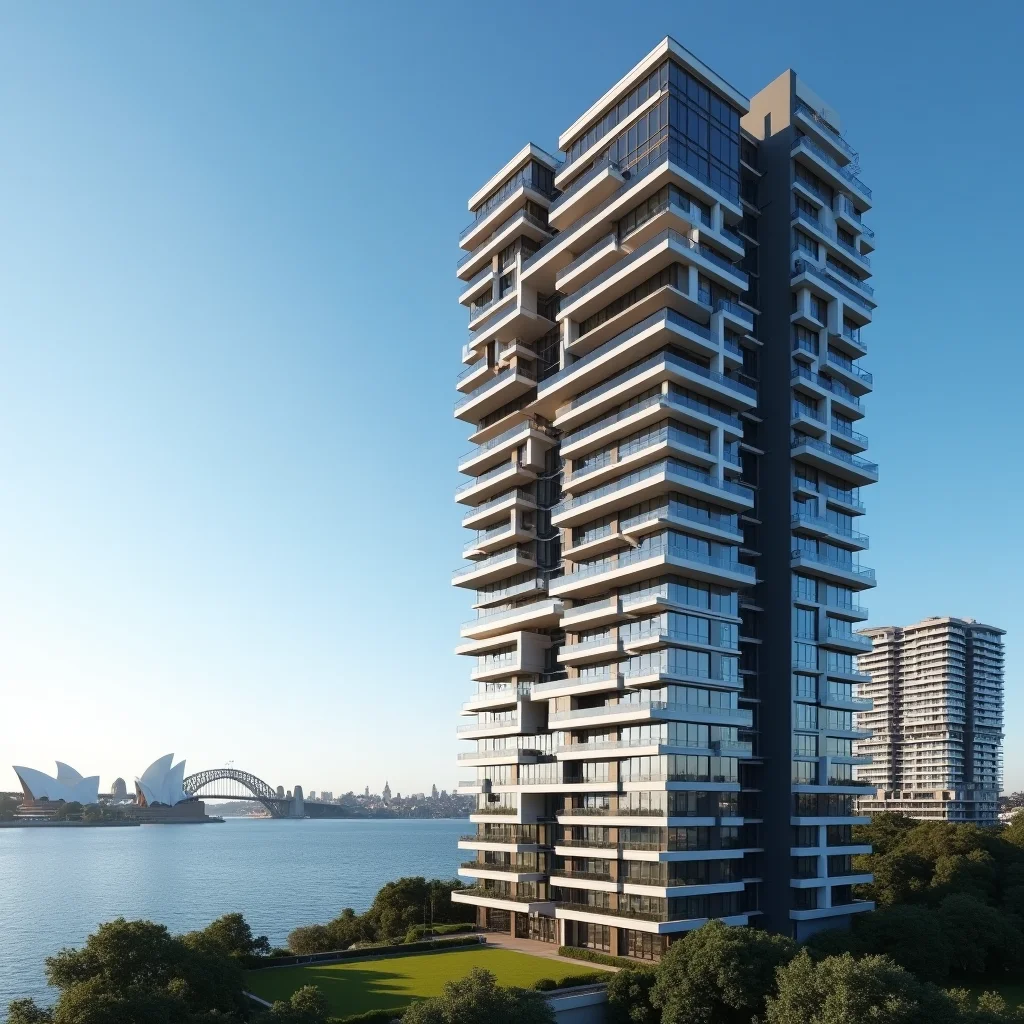
The move is a calculated hedge — owners hold the asset, generate premium income, and wait for buyer sentiment to recover. It is a sign of just how wide the expectation gap has grown between what Sydney's top-end sellers want and what buyers are currently prepared to pay.
The Standoff in Detail: What Is Driving Sydney's Stalemate
The logic is straightforward: renting out a prestige property can generate substantial weekly income without locking in a lower sale price, as illustrated by the reported potential to earn up to $30,000 a week in rent. For a vendor holding a high-value property, renting it out while waiting for the market to turn costs them very little in opportunity — and can offset a meaningful share of holding costs in the meantime. This is not a strategy available to most Sydney sellers, but it is a revealing indicator of how confident some upper-end owners remain in their long-term price floor, even as transaction evidence softens beneath them.
For buyers, the pivot has a practical effect: it further tightens available stock in the prestige segment. When a potential listing is absorbed into the rental pool instead of reaching the market, active buyers lose another option. This supply withdrawal can create a misleading price floor — vendors point to rental demand as proof of underlying asset quality, while buyers struggle to find comparable sales evidence to anchor their offers. The standoff feeds itself, with each side citing the other's behaviour as justification for holding firm.
What the Rental Pivot Reveals About Sydney Price Expectations
The decision to rent rather than sell is ultimately a statement about price expectations. Vendors who pursue this path believe current buyer offers undervalue their property and that time will restore the gap. That conviction is informed by Sydney's long record of strong capital growth — one of the highest-appreciated major city markets globally when measured over multi-decade horizons. Sellers with long hold periods and low cost bases have history on their side; those who bought recently face a harder calculation.
The RBA's 4.35% cash rate is the central pressure point. As REAStats has documented, the sustained rate environment has eroded house affordability progressively since January 2025, pushing many buyers toward units and compressing borrowing capacity at the price points where Sydney's prestige standoff is concentrated. Buyers who might once have stretched further now find their bank's serviceability assessment cuts them off at a lower ceiling. Sellers who haven't recalibrated their expectations to match that compressed borrowing environment are the ones most likely to pivot to rental rather than transact.
When sellers can generate $30,000 a week by leasing rather than accepting a price cut, it signals the expectation gap between vendors and buyers has grown to a point where normal market clearing mechanisms have temporarily broken down — a pattern historically resolved only by a sustained shift in either buyer capacity or seller psychology.
For investors watching this segment, the rental pivot by prestige vendors creates a secondary opportunity. Premium rental supply, when it does come to market, attracts corporate tenants, executives, and high-net-worth families who previously might have competed for the same purchase pool. This can push achievable yields upward in the short term, even as capital values stagnate — a useful data point for any investor modelling rental yield outcomes at the high end. Those tracking broader Australian property statistics will note that premium rental demand tends to hold firm even during buyer slowdowns, as relocating executives and international arrivals maintain consistent demand for top-tier furnished accommodation.
Historical Context: When Sydney Sellers Have Held Firm Before
Sydney's property market has form in producing extended buyer-seller standoffs. The 2018–2019 downturn saw Sydney dwelling values decline notably, but transaction volumes in the prestige bracket dried up far more sharply than values — because sellers simply refused to participate. Clearance rates at the top end dropped sharply, yet the properties that did transact often did so at smaller discounts than the broader market, precisely because well-capitalised owners had the holding power to wait. The mid-2026 dynamic rhymes with that period, though with an added income lever: rental rates have risen substantially since 2019, making the hold strategy more financially rewarding.
The implication for buyers is that waiting for distressed prestige stock is unlikely to deliver the discounts they are hoping for. Well-capitalised vendors with rental income covering holding costs have no financial imperative to meet the market. Price discovery at the top end of Sydney will likely remain slow until either borrowing capacity lifts — requiring RBA rate cuts that are not yet imminent — or a meaningful block of motivated sellers (estates, divorces, forced corporate relocations) coincides to provide transaction comparables. Neither condition appears close in the second half of 2026.
Separately, realestate.com.au has reported that under-utilised public land across Sydney has been earmarked for hundreds of new homes — a supply-side development that may eventually ease pressure in the broader market, though new supply at affordable price points does little to resolve the standoff at the prestige end where stock is already scarce.
Practical Implications for Buyers, Sellers, and Investors
For buyers active in Sydney's upper-end market right now, the rental pivot trend demands a recalibration of strategy. Waiting passively for vendors to capitulate may not produce results before year-end. Active buyers should work with agents who have genuine access to off-market stock — vendors who are unwilling to publicly list but might transact privately at the right price. Understanding the specific cost-base and financial position of a target vendor, where possible, gives buyers a negotiating edge that public listing data cannot provide. Capital gains tax implications also factor into seller calculus: a vendor with a long hold period may face a material CGT bill on sale, adding another reason to delay transacting and prefer rental income instead.
For sellers, the rental pivot is a legitimate strategy but not a costless one. Furnished short-term or executive rentals at the high end require property management, insurance, and maintenance at a level commensurate with the rental rate. A $30,000-a-week property marketed to corporate tenants or high-net-worth families must deliver a presentation standard consistent with that rate. Sellers who treat rental as a passive holding strategy while presenting a dated or poorly maintained property will find the premium end of the rental market just as unforgiving as the sales market. For broader context on how Sydney's pricing compares internationally, the REAStats property market intelligence hub tracks relative value metrics across Australian capital cities in real time.
For investors, the deeper signal here is that Sydney's upper end is price-sticky in a way that most other segments are not. That stickiness limits downside but also limits the opportunity for buyers seeking a discount. The more actionable opportunity may lie in the segments just below the very top end, where vendors are more likely to have mortgage pressure, less capacity to absorb holding costs, and stronger motivation to transact. That is where genuine price discovery is happening in Sydney right now, and where buyers with clear finance and decisive intent still hold negotiating power.
This article was produced with AI assistance and reviewed for accuracy. Content is for informational purposes only and does not constitute financial or property investment advice.