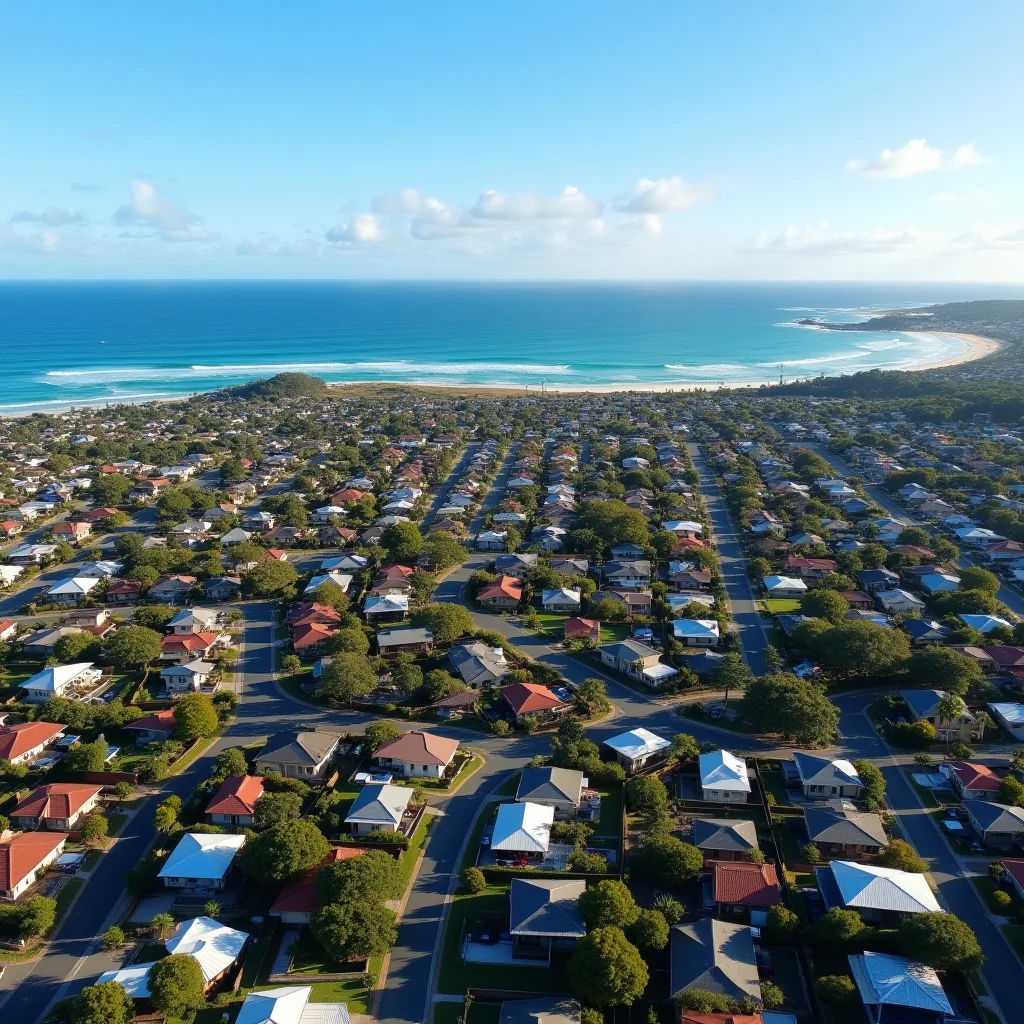
Sydney's rental market has recorded sharp increases as federal parliament examines changes to negative gearing arrangements. According to realestate.com.au, new data has exposed the scale of rental pressure across Australia's largest city as investors reassess their portfolios amid the policy uncertainty.
Rental Market Responds to Investment Uncertainty
The timing of Sydney's rental increases coincides with parliament mulling over changes to negative gearing, creating a dual pressure scenario for both landlords and tenants. Investment properties that have traditionally offered tax benefits through negative gearing arrangements are now being evaluated under potential new frameworks.
Property investors are responding to this uncertainty by adjusting rental pricing strategies. Some are increasing rents to maintain cash flow levels that would compensate for potential tax benefit reductions, while others are reconsidering their investment timing and locations.
Rental markets in Sydney are showing increased volatility as investors weigh the potential financial implications of negative gearing changes against current yield expectations.
Federal Budget Impacts Investment Behaviour
The federal budget's approach to property investment taxation has created ripple effects across rental markets. As reported by Sydney Morning Herald, interest-only loans have hit an eight-year high, fuelled by property investors, with the 2026 federal budget potentially changing this trend.
This lending pattern indicates investors are adapting their financing strategies in response to the policy discussion. The combination of interest-only borrowing and rental increases suggests a market preparing for potential policy changes.
Property Cycle Context
These rental market movements occur within Australia's broader property cycle framework. Understanding the Australian property cycle helps explain how policy changes interact with market fundamentals like supply, demand, and investor sentiment to drive rental outcomes.
Sydney's current rental dynamics reflect both cyclical factors and policy-driven adjustments, creating a complex environment for both property investors and renters.
Implications for Market Participants
Tenants in Sydney face continued rental pressure as investment property owners adjust to policy uncertainty. The combination of limited rental supply and changing investor behaviour creates ongoing affordability challenges across the metropolitan area.
Property investors must weigh rental income potential against potential changes to tax treatment, particularly for negatively geared properties. Those considering new investments may need to factor higher rental yields to compensate for possible reduced tax benefits, while existing investors are adjusting portfolio strategies to maintain returns.
First-time buyers may find rental increases create additional pressure to enter the property market, despite affordability constraints. The interplay between rental costs and property prices continues to influence housing decisions across Sydney's market segments.
This article was produced with AI assistance and reviewed for accuracy. Content is for informational purposes only and does not constitute financial or property investment advice.