SA's Premium Market Sets a New State Benchmark
The significance of this data extends well beyond bragging rights for vendors. Each sale in the top 20 represents a property now held by a new owner who must immediately grapple with the full suite of ownership costs — and at this price point, building insurance is among the most consequential.
A buyer who insures to market value rather than replacement cost may find themselves significantly underinsured in the event of a total loss.
For additional market context, see REAStats property market data.
The Underinsurance Problem at the Luxury End
Underinsurance is the defining insurance risk for owners of premium residential property in Australia, and it is most acute precisely at the price points represented by SA's top 20 settled sales. The Insurance Council of Australia has consistently flagged that a significant proportion of Australian homeowners are underinsured — meaning their sum insured would not cover the full cost of rebuilding their home from the ground up. At the luxury end, this problem compounds: premium homes contain high-specification joinery, custom stonework, bespoke architectural detailing, and imported fittings that are not reflected in generic building cost calculators used by most online insurance platforms.
For sellers who featured in SA's top 20 prior to settlement, the insurance lesson runs in the other direction: properties held for extended periods without periodic insurance reviews are at heightened risk of underinsurance due to construction cost inflation. Building costs across South Australia have risen materially since 2020, driven by labour shortages and supply chain disruptions that pushed up the price of materials from structural steel to roofing tiles. An insurance sum set five years ago on an elite Adelaide property almost certainly needs upward revision today — even if the policy has renewed annually without change.
At the premium end of the South Australian market, the gap between a property's sale price and its true construction replacement cost is wider than at any other segment — meaning building insurance sums set to market value are frequently inadequate to cover a full rebuild at today's construction prices.
Background: How Building Insurance Works for High-Value Homes
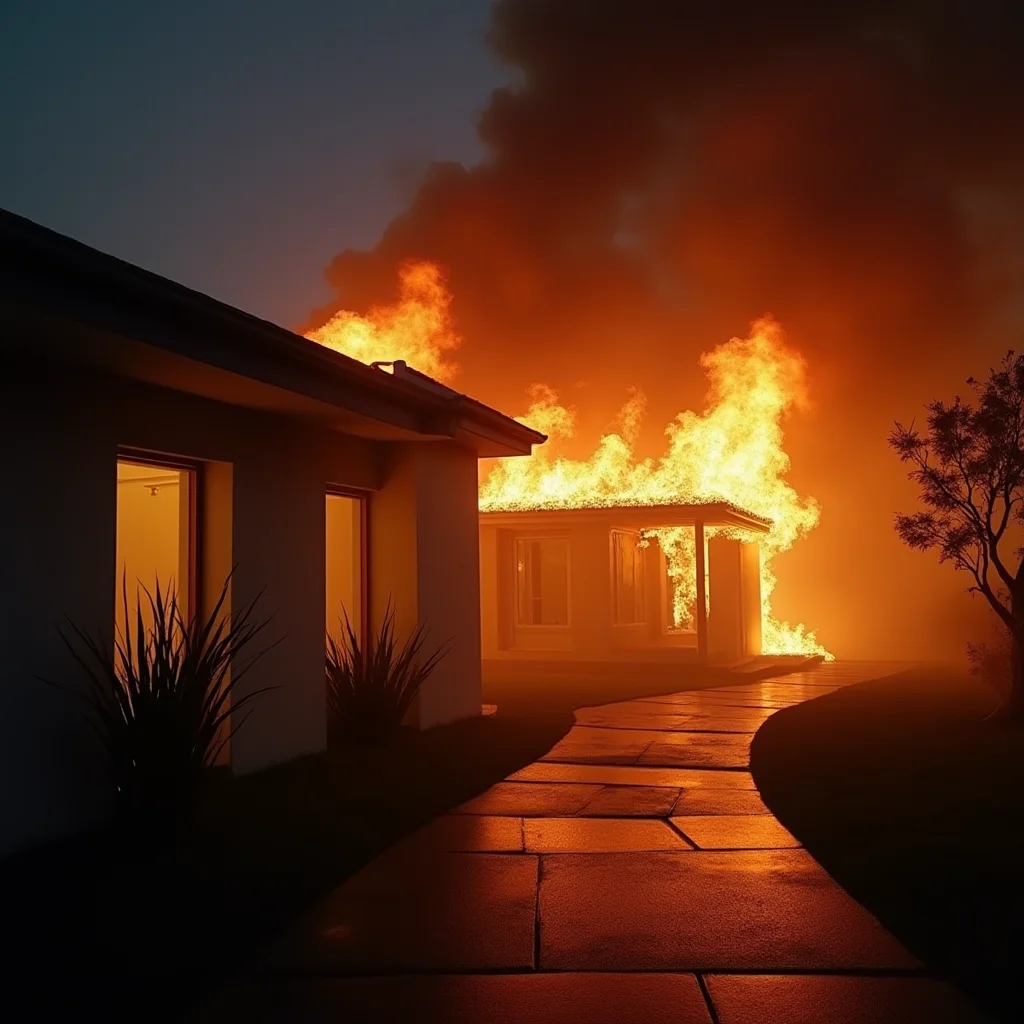
Building insurance for premium residential properties operates on the same legal framework as any other home insurance policy in Australia, but the stakes and complexities are considerably higher. Standard policies cover damage from fire, storm, flood, and accidental structural damage, but exclusions — particularly around flood zones, bushfire-prone land, and heritage-listed structures — are more likely to apply to the types of properties that feature at the top of SA's annual sales rankings. Buyers of elite properties in the Adelaide Hills, for example, should scrutinise their policy's bushfire provisions carefully, including Bushfire Attack Level (BAL) ratings that may affect both coverage terms and premiums significantly. For a comprehensive overview of the insurance obligations landlords and owner-occupiers face, see our Property Insurance Guide.
Practical Steps for SA Buyers at the Premium End
This article was produced with AI assistance and reviewed for accuracy. Content is for informational purposes only and does not constitute financial or property investment advice.