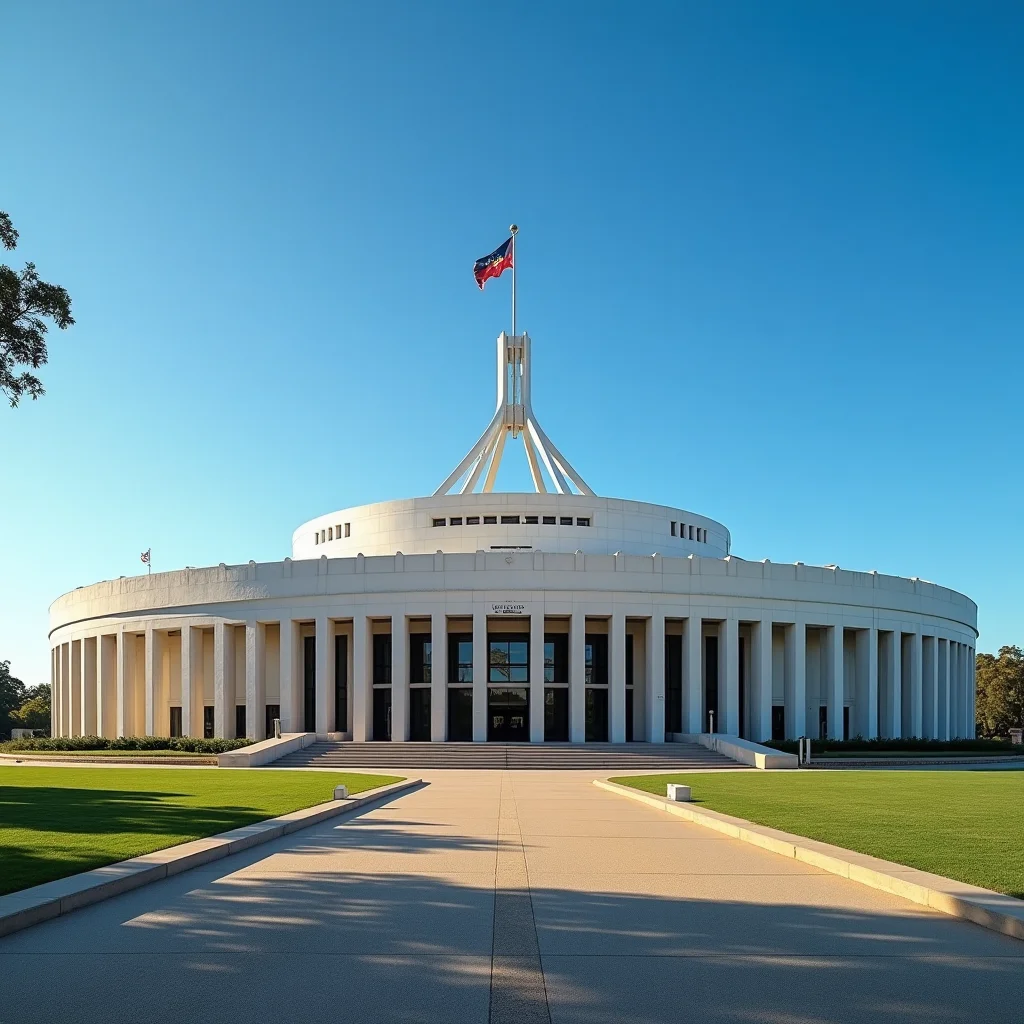
According to realestate.com.au, the Reserve Bank of Australia has placed households on notice that inflation is at risk of overshooting its own forecast, with a fourth rate hike now firmly on the table. The RBA cash rate currently sits at 4.35%. Any further tightening would push borrowing costs to levels with direct consequences for property markets in every capital city.
What the RBA Is Actually Signalling
The mechanism here is straightforward. If inflation expectations become unanchored — meaning businesses and households start pricing in persistently higher inflation rather than a temporary spike — the RBA must respond with more force than would otherwise be necessary. This is exactly the scenario the board is trying to prevent by signalling early. The cost of waiting is that a delayed response requires sharper and more economically damaging hikes later. The board is openly choosing front-loaded communication to avoid that outcome.
For property buyers and investors tracking the rate outlook, the practical read is this: don't price in a cut from 4.35% in the near term. The base case, until inflation data meaningfully improves, has shifted to either hold or hike — not ease.
Historically, the RBA has reserved explicit fourth-hike language for cycles where domestic demand has proven more stubborn than modelled. The board appears determined to move decisively on communication now, before inflation psychology becomes entrenched in a services-heavy economy like Australia's.
Why Inflation Is Proving Harder to Kill
Australia's inflation problem in 2026 is not principally a demand shock — it is being driven by structural factors that rate hikes address only indirectly. Services inflation, which covers everything from insurance premiums to tradespeople and childcare costs, has remained sticky precisely because it reflects labour costs and capacity constraints rather than consumer exuberance. Rate hikes slow demand by compressing household cash flows, but they do little to immediately resolve a shortage of qualified electricians or reduce the cost of a builders' liability policy. This asymmetry makes the RBA's task genuinely difficult.
The global backdrop compounds the problem. US 10-year Treasury yields are holding at 5.01%, according to macro analysis published by WealthWatchPro, while the USD/JPY rate sits at 157.77 — reflecting a world where the US Federal Reserve has not yet pivoted to easing. A stronger US dollar and elevated global yields place upward pressure on Australian import costs and constrain the RBA's own room to ease without risking AUD depreciation, which itself feeds back into inflation via higher import prices.
When the RBA warns that inflation risks are increasing beyond its own forecast, it is not managing expectations downward — it is preparing markets for action. At 4.35%, the cash rate is already at a level that is materially compressing household disposable income, yet the board has concluded it may not be enough. That is a significant statement about the persistence of domestic price pressures.
For Australian property investors, this environment has a specific implication that goes beyond monthly mortgage repayments. Sustained higher rates change the capitalisation rate used to value income-producing assets. As the risk-free rate rises — or is perceived to remain elevated for longer — the yield required from residential investment property increases too. This puts downward pressure on prices, particularly in markets where gross yields are already thin relative to the cost of debt. Investors holding positively geared properties are better insulated; those relying on capital growth to justify negative cash flow face a more uncomfortable calculus.
Rate Risk and Capital Gains Tax Exposure
The intersection of a prolonged high-rate environment and property portfolio decisions also has a tax dimension worth understanding. Investors who purchased properties during the 2020–22 low-rate era and are now considering selling to reduce debt exposure need to account carefully for Capital Gains Tax obligations. The Capital Gains Tax on Australian Property guide covers how the 50% CGT discount applies to assets held for more than 12 months, and how timing a sale across financial years can meaningfully affect the tax outcome. In a rising-rate environment where holding costs are increasing, the temptation to sell quickly can inadvertently erode returns through avoidable tax.
Rate cycles also interact with CGT in a less obvious way: as property values soften under rate pressure, investors who purchased at the peak of the 2021–22 cycle may find their CGT liability reduced or eliminated — but those who purchased earlier and are sitting on substantial gains face a genuine decision about whether to hold, refinance, or realise. The decision is not purely financial; it involves the investor's own income position, marginal tax rate, and the outlook for values in their specific market. Professional tax advice is warranted before acting on rate-driven portfolio restructuring.
What Borrowers and Property Buyers Should Do Now
The most immediate practical question for Australian mortgage holders is how to respond to a cash rate already at 4.35% with the RBA explicitly flagging the possibility of a fourth hike. Borrowers should stress-test their household budgets against further rate increases before making commitments, and consider whether their current loan structure — fixed, variable, or split — remains appropriate given that the RBA's own communication has shifted the base case away from near-term easing.
Property sellers in markets where demand is already adjusting to existing rate pressure should take note: the window between the RBA's warning and any actual hike is historically short. The RBA has rarely telegraphed a move this explicitly without following through, and sentiment can shift quickly once a decision is confirmed.
This article was produced with AI assistance and reviewed for accuracy. Content is for informational purposes only and does not constitute financial or property investment advice.