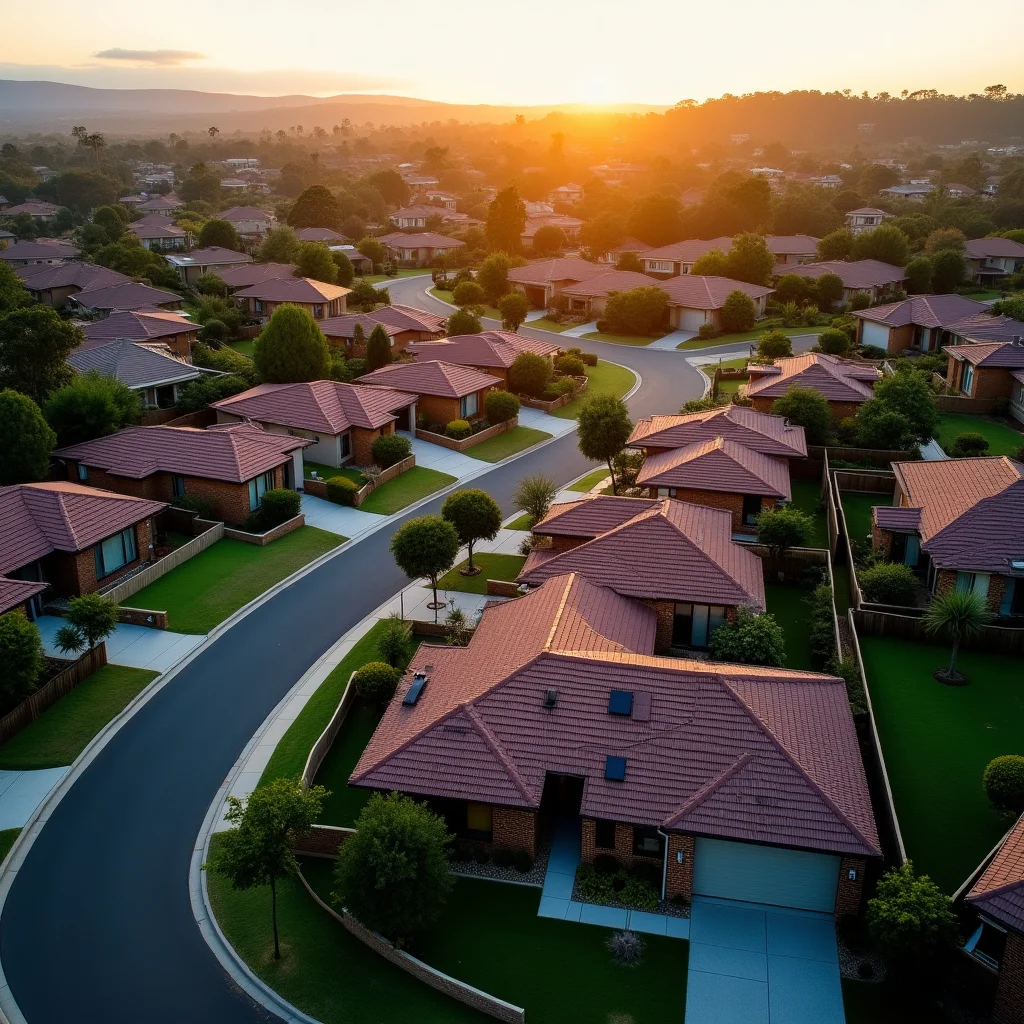
Queensland buyers are paying millions of dollars for properties so damaged they lack doors and floors in fierce bidding wars across the state's property boom.
The extreme buyer behaviour reflects unprecedented demand in Queensland's property market, where competition has reached fever pitch. Purchasers are gambling significant sums on derelict homes that require extensive renovation work.
Brisbane's market mirrors this intensity, with an inner-city Indooroopilly property recently sailing past its reserve at auction. The three-bedroom home sold for $1 million more than its 2023 price despite projections of further rate hikes and global economic turmoil.
First-home buyers tackle nightmare renovations
The trend extends to first-home buyer couples purchasing abandoned "ghost houses" with four floors of mould and extensive damage. These properties represent the ultimate renovation challenge but offer entry into an otherwise unaffordable market.
The willingness to pay premium prices for structurally compromised properties demonstrates how constrained supply has pushed buyers to extreme measures. Traditional move-in-ready homes command even higher premiums, forcing buyers to consider properties they would previously have dismissed.
Queensland's property shortage will likely intensify competition for habitable homes as more buyers recognise renovation projects as their only viable market entry point.
First-home buyers stretched thin by renovation gambles
First-home buyer participation in Queensland's derelict property auctions reveals concerning financial strain across the cohort. Data from the Real Estate Institute of Queensland shows first-home buyers now represent 32 per cent of Queensland purchases, up from 24 per cent in 2021, yet many are acquiring properties requiring $200,000 to $500,000 in remedial work.
The Australian Prudential Regulation Authority's lending standards require lenders to assess borrowers' ability to service loans at rates 3 percentage points above current levels. First-home buyers purchasing dilapidated properties face additional pressure: renovation loan products typically carry interest rates 0.5 to 1.5 percentage points higher than standard mortgages, with stricter serviceability requirements. A first-home buyer couple securing a $600,000 loan for a derelict property in Brisbane's outer suburbs whilst simultaneously borrowing $300,000 for renovations would face combined monthly repayments exceeding $5,800 at current rates.
Suburbs including Underwood, Zillmere and Inala have seen particular growth in derelict property sales to first-home buyers. These areas, typically 15 to 25 kilometres from Brisbane's CBD, offer sub-$1 million entry prices but often contain post-war fibro homes with asbestos, structural damage and outdated electrical systems. Remediation costs for asbestos removal alone average $8,000 to $15,000 per property.
The Reserve Bank's August 2024 statement acknowledged rising stress among mortgage holders, with stress test data indicating 8.2 per cent of borrowers would struggle to service loans at 7.5 per cent interest. First-home buyers appear disproportionately exposed, particularly those in outer-ring suburbs where competition for renovatable properties has intensified. Mortgage brokers report increased requests for renovation finance structures, suggesting buyers are banking on equity appreciation outpacing renovation costs. This strategy carries material risk should Queensland property values plateau or decline, potentially trapping first-home buyers in negative equity positions.
First-home buyers stretched thin despite equity gains
Queensland's first-home buyer participation in the derelict property market reveals a concerning pattern of financial overextension. Data from the Australian Bureau of Statistics shows first-home buyers now account for approximately 28% of Queensland purchases, up from 22% five years ago. However, many of these buyers are stretching loan-to-value ratios to dangerous levels, with some securing 95% mortgages on properties requiring $200,000 to $400,000 in repairs.
The First Home Loan Deposit Scheme, which allows eligible buyers to purchase with just 5% deposit, has inadvertently fuelled bidding wars for damaged properties. Buyers mistakenly believe renovation equity gains will offset their minimal equity position. In suburbs like Toowoomba and Rockhampton, first-home buyers have competed aggressively for run-down weatherboard houses, believing regional price growth will continue at recent rates of 8-12% annually.
Commonwealth Bank lending data indicates first-home buyers in Queensland are taking on average loan sizes of $485,000, a 34% increase since 2021. When coupled with renovation budgets, total debt exposure frequently exceeds $700,000 for properties in outer-ring suburbs. The Reserve Bank's cumulative 4.35 percentage point rate increase since May 2022 has already strained this cohort, with serviceability assessments now conducted at 7.25% interest rates rather than actual rates.
Mortgage brokers report growing numbers of first-home buyers unable to secure finance approval for essential renovation works, forcing them to undertake staged repairs over years rather than immediately. This creates ongoing financial stress and defers property value realisation. The Australian Prudential Regulation Authority has noted increasing concern about loan-to-value creep in renovation-dependent purchases, particularly where buyers lack adequate financial buffers for cost overruns—a common occurrence in renovation projects.
This article was produced with AI assistance and reviewed for accuracy. Content is for informational purposes only and does not constitute financial or property investment advice.