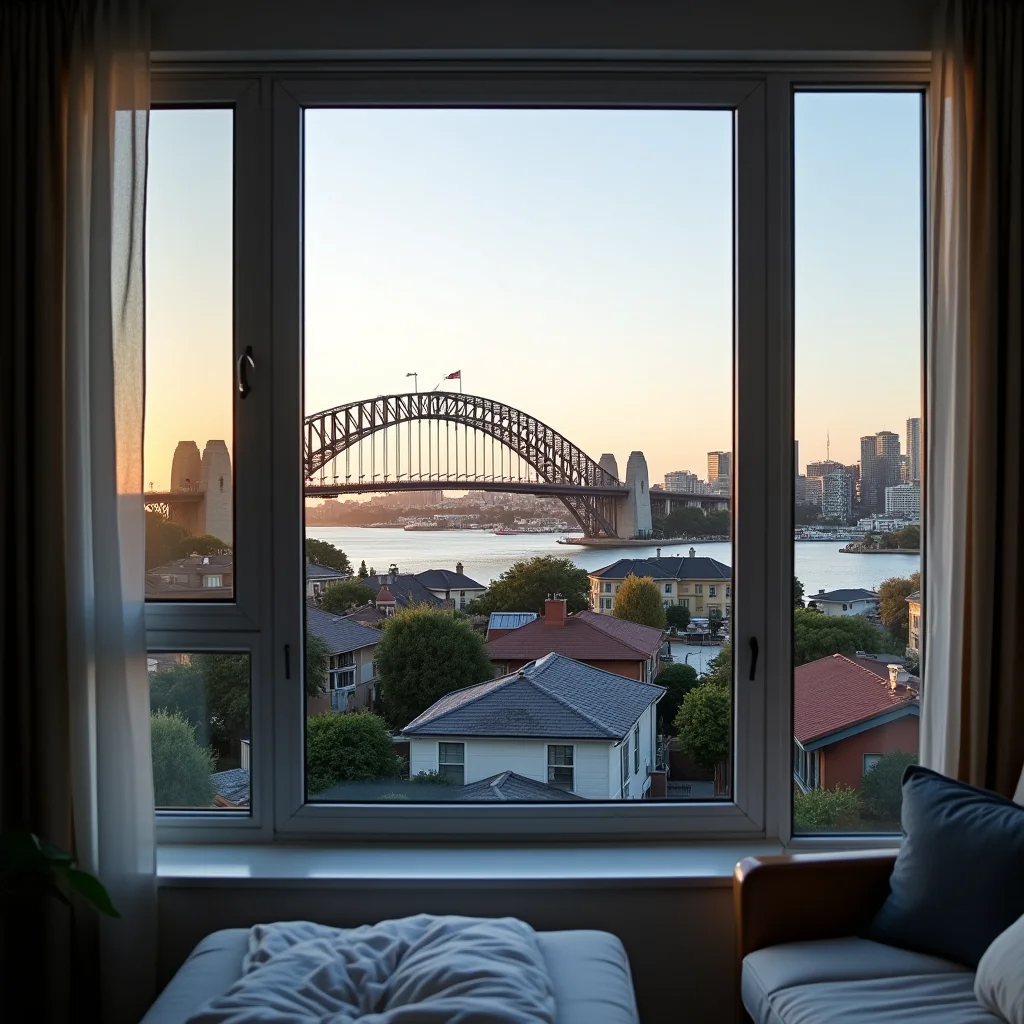
According to the Sydney Morning Herald, a first home buyer secured a well-presented three-bedroom house in North Melbourne for $722,500 at auction — One registered bidder didn't turn up and only one of the three raised their hand at auction.ed to one active participant on the day. The outcome delivered the buyer a measurable discount off what competitive bidding would likely have produced, in a suburb sitting squarely within Melbourne's sought-after inner ring.
One Bidder, One Discount: What Actually Happened at Auction
The North Melbourne auction drew three registered parties, but only one raised a hand when bidding opened. The absence of competition transformed what could have been a contested sale into a near-private negotiation at the fall of the hammer. For a well-presented three-bedder in a suburb that sits minutes from the CBD, the $722,500 result represents the kind of outcome that has become increasingly common as Melbourne's auction market softens through mid-2026. The property's condition — described as well-presented — would ordinarily attract a broader pool of active bidders in stronger market conditions.
The mechanics here matter. Auction registration does not guarantee participation. Buyers register to preserve their option to bid, but financing constraints, cold feet, or last-minute competing purchases can thin an auction room fast. When that happens, the remaining bidder controls the pace entirely. There is no obligation to push the price above the reserve, and vendors facing genuine pressure to sell must weigh the risk of passing the property in against accepting the single offer on the table. In this case, the vendor sold — and the first home buyer walked away with a discount reflecting the softer competitive conditions now evident in the suburb.
For first home buyers watching Melbourne's inner-ring market, this result carries a practical signal: registration numbers at auction are not a reliable proxy for genuine competition. Buyers who arrive prepared — pre-approved, building inspection complete, legal review done — are in a position to benefit when other registered bidders fail to appear. That preparation gap between registered bidders and active participants is where discounts are currently being made in Melbourne.
Why Melbourne Auctions Are Running Thin on Competition
The North Melbourne result does not sit in isolation. Realestate.com.au has reported that mortgage lodgements have fallen following successive rate hikes and the federal budget, a trend that may be contributing to thinner turnout at auction. When fewer buyers have conditional or unconditional pre-approval in hand, registration numbers inflate relative to genuine bidding intent. The spread between registered and active bidders widens, and vendors increasingly find themselves facing fewer real competitors than the registration list implied.
The RBA's cash rate at 4.35% continues to impose a hard ceiling on borrowing capacity for most first home buyers targeting inner Melbourne. A purchase at this price point, even after a typical deposit is accounted for, still requires a substantial mortgage — a sum that demands a strong household income to service comfortably at current variable rates. Borrowers considering how their loan structure affects repayment capacity will find a detailed breakdown in the APF guide to Interest Only vs Principal and Interest loans, which covers how each structure affects equity building and monthly cash flow. At current rates, the principal and interest repayment on a loan of that size is substantial, and many prospective buyers who register for auctions quietly drop out once they stress-test the numbers at the lender's serviceability buffer.
For those who do hold genuine pre-approval, the current environment in Melbourne represents a window that has not been available consistently for years. Fewer active bidders mean lower clearing prices on comparable stock. Buyers who have done the financing work — and who understand that serviceability buffers are applied at roughly 3 percentage points above the loan rate — arrive at auction with a clearer ceiling and the confidence to let other registered bidders drop away without chasing the price. REAStats tracks auction and clearance data across Australian capital cities, providing the kind of market context that helps buyers gauge how thin or competitive a specific market is before they register.
The First Home Buyer Finance Picture in Melbourne's Inner Ring
North Melbourne sits in a price band for houses that puts it at the upper edge of what first home buyers can access without significant parental support or a Family Home Guarantee arrangement. Victoria's stamp duty concessions for first home buyers taper off at higher price points, meaning a purchase in this price range likely attracted reduced but not waived duty. The gap between a buyer's deposit and their true purchasing capacity can narrow quickly once these costs are factored in.
Mortgage lodgement data tells a broader story about first home buyer activity. When lodgements fall — as they have following rate hikes and the federal budget — it reflects a reduction in buyers actively progressing toward purchase, not merely browsing listings. That contraction in the active buyer pool is precisely what created the thin auction room in North Melbourne. The buyers who are still in the market, with finance approved and a property on their shortlist, are encountering less competition than the listing volumes alone would suggest. That is a meaningful structural shift in buying conditions.
Loan structure decisions also sharpen at this price point. A first home buyer taking on a mortgage of this size faces a meaningful choice between interest-only repayments in the early years — which preserve cash flow but build no equity — and principal and interest repayments, which cost more monthly but systematically reduce the debt. Most lenders now apply tighter criteria to interest-only applications for owner-occupiers, so first home buyers targeting North Melbourne-style properties should expect their borrowing structure to be assessed closely during the pre-approval process.
What First Home Buyers Should Do Now
The North Melbourne auction result is a blueprint, not a guarantee. Thin auction rooms are appearing more frequently in Melbourne's inner ring, but they require preparation to exploit. Buyers who arrive without pre-approval, who have not completed building and pest inspections, or who lack clarity on their maximum bid ceiling will still be outmanoeuvred by the one other prepared buyer in the room — even when the room is mostly empty. The discount only materialises for the buyer who is ready to execute unconditionally on the day.
Pre-approval should be confirmed as close to auction day as practical to ensure it reflects current serviceability assessments — lenders can and do reassess capacity if interest rates shift between approval and settlement. Buyers should also request a copy of the vendor's Section 32 statement as early as possible, complete the legal review, and have a building and pest inspection booked before the auction date. None of these steps are complicated, but each one converts a registered bidder into an active one — and in Melbourne's current market, that distinction can meaningfully affect the final sale price.
First home buyers targeting Melbourne's inner suburbs should treat every thin auction as a potential discount opportunity, but approach it with discipline. Set a ceiling based on genuine borrowing capacity — not on competitive emotion — and be prepared to let the property pass in if the vendor's reserve sits above the market. In a market where mortgage lodgements are falling and auction competition is thinning, the next comparable property is rarely far behind.
For real estate agent rankings, suburb statistics and clearance rate data, see REAStats — Australia's independent property intelligence hub. Visit REAStats — Agent and Suburb Data →
This article was produced with AI assistance and reviewed for accuracy. Content is for informational purposes only and does not constitute financial or property investment advice.