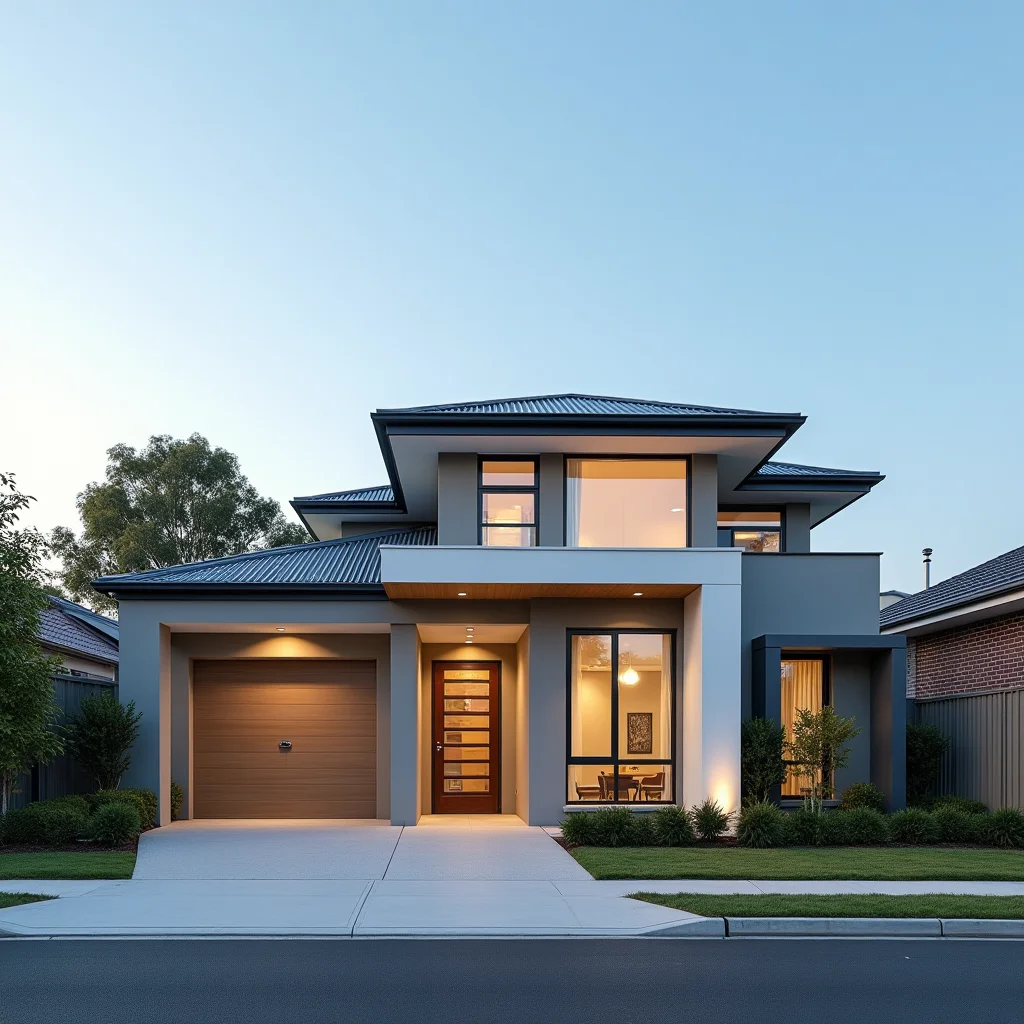
The cost of building a new home in Australia has reached a record $524,908ecord $525,000 as building approvals continue to fall, according to realestate.com.au. This represents the first concrete evidence that global conflicts, particularly Iran war, have significantly impacted the Albanese government's housing construction targets.
Construction Costs Surge to New High
The latest data reveals Australians are spending unprecedented amounts to build new homes despite ongoing economic pressures. The $525,000 figure marks a substantial increase from previous years, driven by multiple factors including material shortages, labour constraints, and supply chain disruptions stemming from international conflicts.
Building approvals have simultaneously plummeted, creating a concerning combination of rising costs and falling construction activity. This trend threatens to further restrict housing supply at a time when Australia faces significant demand pressures from population growth and housing shortages.
New home construction costs hitting $525,000 represents a critical threshold that prices out many first-time builders, forcing families into an already competitive existing property market.
Finance Implications for New Home Builders
The record construction costs create substantial financing challenges for prospective homeowners. With average new home costs now at $525,000, buyers typically need deposits of at least $105,000 to avoid lenders mortgage insurance on a standard 80% loan-to-value ratio. Many will require deposits exceeding $130,000 to secure competitive lending rates.
Construction loans, which differ from standard home loans in their staged payment structure, become increasingly complex at these price points. Borrowers must demonstrate capacity to service the full $525,000 loan amount while managing cash flow during the building phase, when they often continue paying rent or existing mortgage obligations.
Background on Construction Financing
Understanding LVR and LMI requirements becomes crucial when considering new home construction, as these loans operate differently from purchasing established properties. Construction financing typically involves progress payments released at specific building milestones, requiring careful coordination between builders, borrowers, and lenders.
The current cost environment makes construction loans more challenging to secure, with lenders applying stricter serviceability tests given the higher loan amounts and construction risks involved.
Market Implications for Buyers and Investors
The $525,000 construction cost threshold effectively eliminates new home building as an option for many first-home buyers, who already face challenges accessing adequate deposits and meeting lending criteria. This pushes additional demand into the existing property market, potentially supporting house prices despite recent interest rate pressures.
Property investors considering new builds for rental purposes must now factor in significantly higher entry costs, affecting projected rental yields and overall investment returns. The combination of record construction costs and falling building approvals suggests new housing supply will remain constrained for an extended period.
For existing homeowners considering knockdown-rebuilds or major renovations, the $525,000 benchmark provides a stark comparison point for evaluating whether to renovate or rebuild entirely.
This article was produced with AI assistance and reviewed for accuracy. Content is for informational purposes only and does not constitute financial or property investment advice.