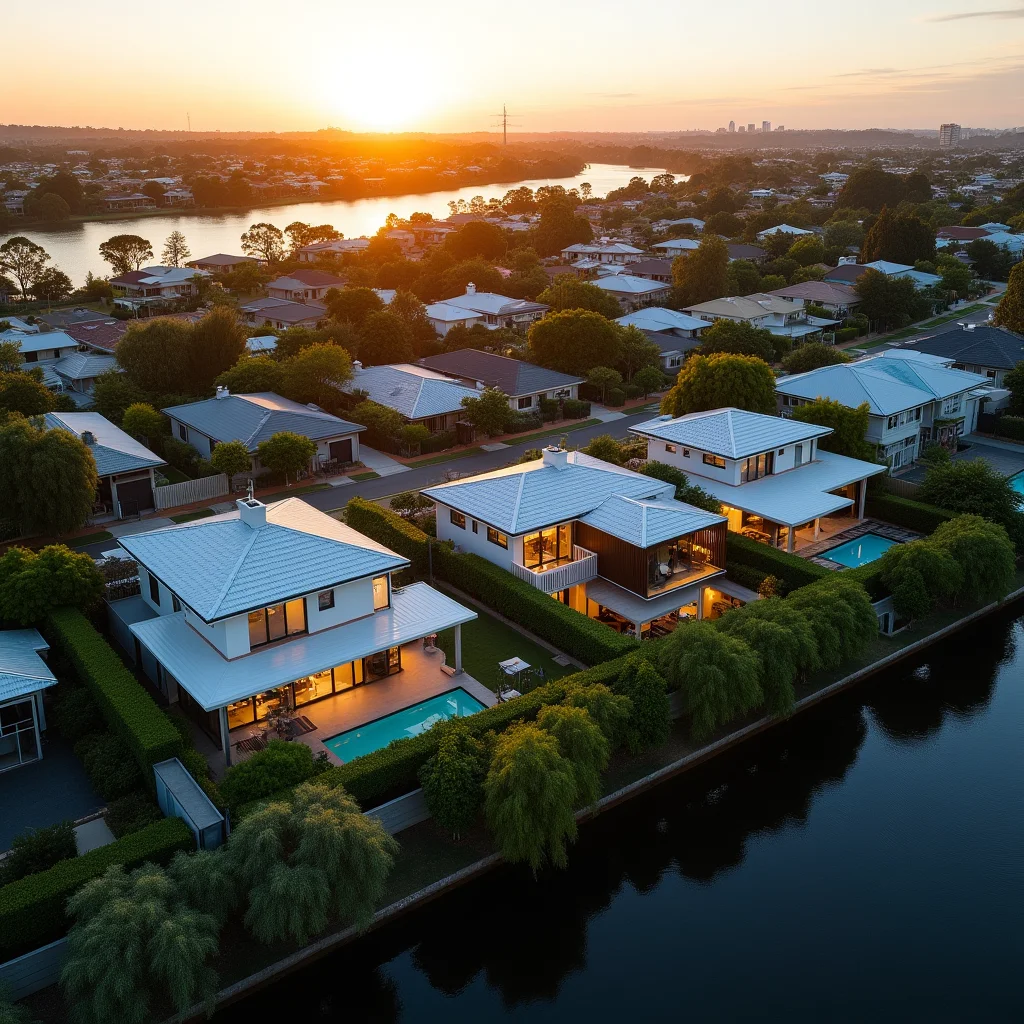
According to realestate.com.au, a dream home just weeks from completion has been abandoned by its owner and handed over to the bank, now listed as a mortgagee sale in a city described as being gripped by a renovation frenzy. The property reached the final stages of construction before the build stalled and the lender stepped in to force a sale.
A Build That Stopped Short of the Finish Line
The listing detailed by realestate.com.au is unusual precisely because of its timing. Mortgagee sales typically emerge when a borrower defaults on repayments over an extended period, often years into a standard mortgage. This project was instead just weeks away from being finished when it was abandoned — meaning the bulk of the construction cost had already been spent, the finish line was in sight, and yet the owner walked away regardless.
For additional market context, see WealthWatchPro investment market analysis.
That detail matters more than it might first appear. Construction loans are typically drawn down in stages, with lenders releasing funds as builders hit milestones. A borrower who abandons a project this close to completion has usually run out of options rather than simply changed their mind.
The report frames the sale against a backdrop of a city in the grip of a renovation frenzy — a demand surge that can push trade availability and material costs higher. For a borrower already stretched on a high-end build, that same frenzy driving other owners to renovate can be part of what tips a marginal project into default.
What This Says About Construction Lending Right Now
Mortgagee sales of near-complete builds are a useful stress indicator precisely because they are rare. A borrower who defaults just weeks from completion, as in this case, has usually tried everything to avoid that outcome before the bank forces a sale. When it happens anyway, it signals that the gap between the original construction budget and the final cost has become unbridgeable, even this close to settlement.
A near-finished build forced into a mortgagee sale is a sharper signal of construction finance stress than a standard default, because it shows the borrower exhausted their options even after most of the capital was already committed.
For lenders, a mortgagee sale this close to completion is not necessarily a bad outcome in dollar terms, because most of the construction value has already been added. But it is a poor outcome for the original owner, who loses the equity built through the construction process along with any premium a finished, untested home might otherwise command on resale.
Context: Why Rental Yield and Build Economics Matter Here
Understanding why a project like this becomes financially unviable requires looking at the return equation behind any residential build, whether owner-occupied or intended as an investment. Our guide to Understanding Rental Yield in Australian Property explains how the relationship between build cost, holding cost and eventual value underpins every development decision — and why a project that looked sound at the contract stage can become marginal once costs shift during construction.
Broader national price data adds useful context too. Analysis from REAStats on long-run capital city price dislocations shows that of 46 dislocations examined over 40 years, 39 have eventually recalibrated — with regional markets like Mandurah (10.5 per cent annual growth) and Maroochydore (8.5 per cent) closing the gap on premium capital city suburbs such as Melbourne's, even as areas like Port Macquarie and Ballina show the liquidity risks that still separate regional performance from capital city markets. It's a reminder that even high-value builds sit within broader cost and demand cycles playing out across the market.
Practical Implications for Buyers and Borrowers
For prospective buyers, a mortgagee sale of a near-finished home can represent genuine value — the bulk of the construction work is done, defects can be assessed before purchase, and banks are typically motivated to sell quickly rather than hold a non-income-producing asset. Buyers should still commission independent building and pest inspections, since an unfinished or recently abandoned build may carry unresolved defects or incomplete compliance certification that a standard resale would not.
For anyone currently mid-construction on a significant build, the lesson is about contingency buffers: borrowers should stress-test their construction loan against a cost overrun scenario before signing, not after the frame goes up.
Investors assessing construction finance more broadly should also weigh the relationship between gearing levels and project risk. Readers wanting a fuller grounding in how leverage interacts with tax and cash flow outcomes can consult our Australian Property Tax Guide.
Ultimately, this single mortgagee sale is a reminder that even in markets running hot with renovation demand, the economics of construction remain unforgiving at the margin. A project can be weeks from finished and still fail if the numbers no longer add up — a risk every borrower funding a build, luxury or otherwise, needs to price in from day one.
This article was produced with AI assistance and reviewed for accuracy. Content is for informational purposes only and does not constitute financial or property investment advice.