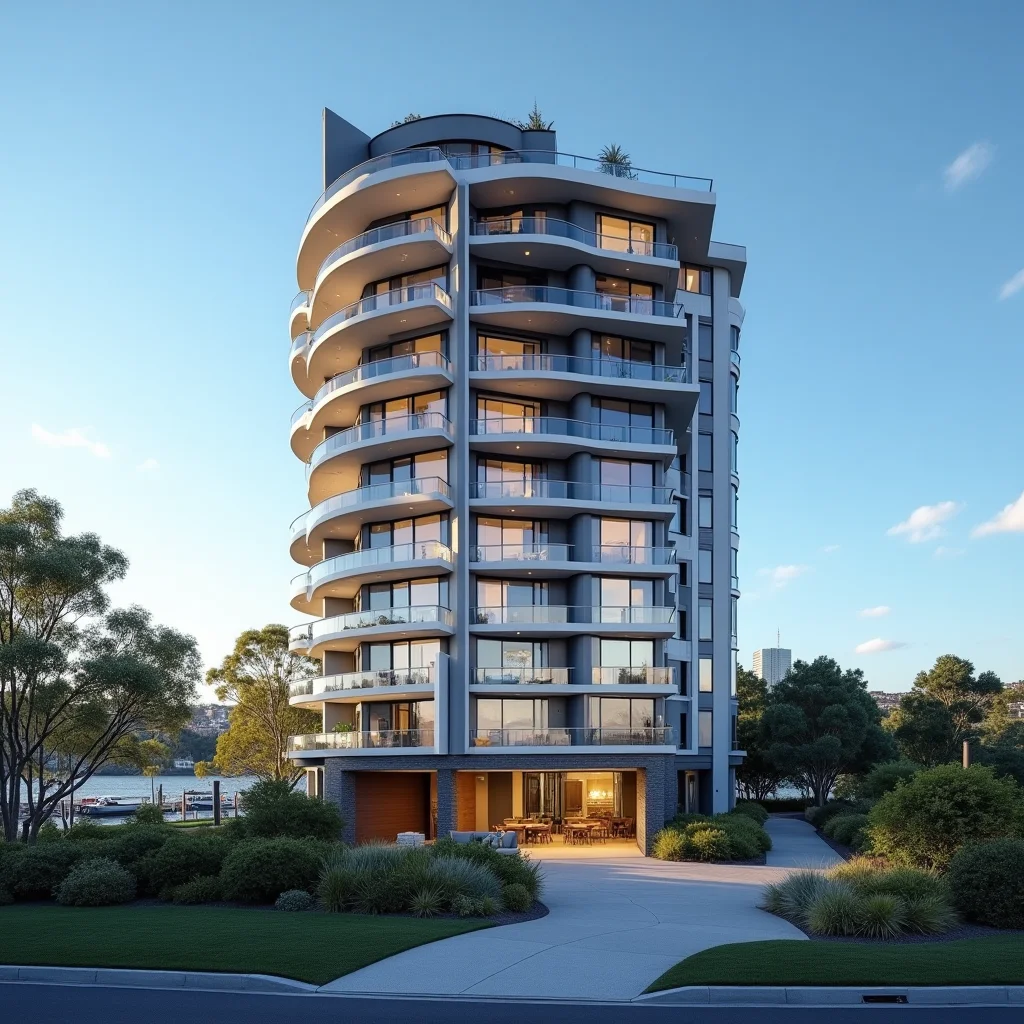
According to realestate.com.au, Melbourne's house prices have plunged $65,000, leaving homes worth less than they were during the Covid pandemic of 2021 — erasing years of nominal gains for the typical homeowner. The city has become the standout underperformer among Australia's major capitals, squeezed by a combination of state-level policy decisions and federal investor tax changes that have pushed sellers and landlords toward the exit simultaneously.
The $65,000 Plunge: What the Data Actually Shows
The magnitude of Melbourne's price correction is now impossible to minimise. A $65,000 plunge has left Melbourne homes worth less than they were during the Covid era — this does not represent a modest cyclical pullback but a full reversal of the gains recorded during the pandemic, when low rates and lifestyle demand briefly sent values surging. Realestate.com.au reports the city's homes are now worth less than they were in 2021 in nominal terms, which means in real, inflation-adjusted terms the loss is considerably deeper. For owners who bought near the peak, the situation is particularly acute.
This correction is occurring against a backdrop of broad national softening. Cotality's August 2026 Home Value Index recorded a 0.9% national decline — the fifth consecutive monthly fall — with 93% of capital city suburbs registering winter value losses, according to REAStats. But Melbourne is not simply tracking the national average downward. Its decline is faster, deeper, and more structurally driven. The city accounted for a disproportionate share of that national downturn, with forces specific to Victoria amplifying a correction that in other cities remains more contained.
For sellers, the calculus has shifted dramatically. A vendor who purchased a Melbourne house in mid-2021 and is selling today faces not only a $65,000 nominal loss on value but also years of holding costs — rates, maintenance, mortgage interest — with no capital gain to show for it. Those who stretched to buy at the peak using low fixed-rate loans that have since rolled onto much higher variable rates are absorbing a double hit. The psychological pressure to sell before conditions deteriorate further is adding supply to a market that does not need it.
Auction results reflect the same stress. Melbourne's preliminary clearance rate has settled around 60%, according to REAStats data tracking the Brunswick East market through August 2026 — a level that consistently favours buyers over sellers. A Brunswick East terrace that passed in at auction eventually sold for $1.15 million only after the vendor dropped their reserve in post-auction negotiations. That outcome, replicated across dozens of Melbourne suburbs each weekend, is a reliable signal that the gap between vendor price expectations and what buyers will pay remains stubbornly wide.
Policy Headwinds: State and Federal Pressure Compounding the Fall
Melbourne's decline is not purely a function of interest rates or global macro conditions. Two distinct policy environments have converged to depress values specifically in Victoria. At the state level, a suite of measures introduced under the Andrews government — including expanded land tax, increased stamp duty for investors, and short-stay accommodation levies — raised the carrying cost of Victorian investment property well above comparable states. Those costs did not disappear when government leadership changed; they became embedded in the pricing structure of the market and permanently altered the investor calculus for buying in Melbourne versus Brisbane or Perth.
At the federal level, Albanese government changes targeting property investor tax concessions have added a second layer of pressure. Investors who might otherwise have absorbed Melbourne's correction in search of future capital growth are instead reassessing whether Victoria's combined state and federal cost burden makes yield targets achievable at all. When investors exit or decline to enter, rental supply falls and long-term price support weakens simultaneously — an unusual combination that makes the correction self-reinforcing. For those tracking capital gains tax on Australian property, the policy environment is now a first-order pricing variable, not a secondary consideration.
For property investors reviewing their Melbourne holdings, the practical question is whether to hold, sell, or accelerate depreciation claims to offset losses elsewhere in a portfolio. Those who purchased pre-2021 still hold meaningful equity and may choose to wait out the cycle. Those who purchased in 2021–2023 face a harder decision: Melbourne's structural headwinds — policy costs, population growth weaker than Sydney or South-East Queensland, and a surplus of new apartment supply in the pipeline — mean the recovery timeline is genuinely uncertain. Investors weighing up comparable markets can find broader macro context at WealthWatchPro, which tracks cross-market capital flow data relevant to Australian property allocations.
Off-the-Plan Risk in a Falling Market
Melbourne's price correction carries particular risk for buyers who purchased apartments or townhouses off the plan during the 2021–2023 construction boom. In a rising market, off-the-plan purchases typically settle at a value higher than the contract price — providing an immediate equity buffer. In a falling market, the reverse applies: buyers who signed contracts at 2021–2022 prices may be settling into properties now worth materially less than what they agreed to pay. Valuations at settlement can come in short of the contract price, forcing buyers to find additional funds or risk losing their deposit. The APF guide to off-the-plan property risks and benefits covers this mechanism in detail, including the legal remedies available when valuations fall short.
The Melbourne apartment pipeline makes this risk acute. Off-the-plan stock approved during the low-rate era is now reaching completion in an environment of falling
This article was produced with AI assistance and reviewed for accuracy. Content is for informational purposes only and does not constitute financial or property investment advice.