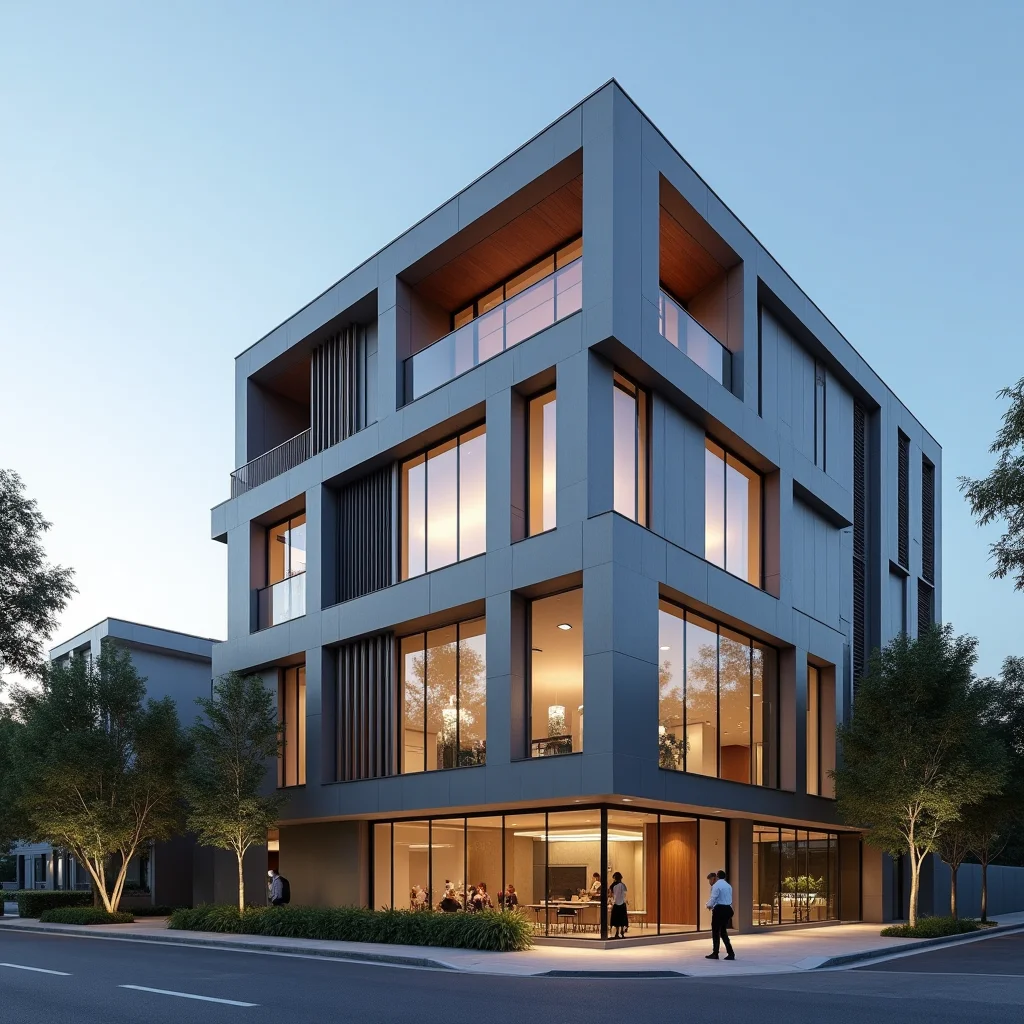
According to the Sydney Morning Herald, an investor secured a two-bedroom inner-west villa at auction on Saturday for $625,000, paying $60,000 over reserve to beat out two first home buyer couples. The result is a vivid illustration of how competition at the lower end of the market continues to squeeze owner-occupiers out of arm's reach of a first purchase.
What Happened at Saturday's Auction
The auction drew at least three active bidders, with two first home buyer couples driven to their limits before an investor stepped in to close the deal at $625,000. The $60,000 premium over reserve signals that demand at this price point remains sharper than many market commentators have suggested.
For additional market context, see REAStats Australian property market intelligence.
At $625,000, this property sits in a tier that first home buyers can theoretically access using federal and state government assistance schemes. Yet an investor was able to absorb the $60,000 over-reserve premium, edging out both first home buyer couples in the room. The auction outcome exposes the ceiling that government schemes can reach when competing buyers have structurally different financial positions.
For first home buyers, the auction room is not a level playing field. Investors typically bring pre-arranged loan facilities and may be bidding on an interest-only basis, reducing their monthly repayment exposure relative to the asset's purchase price. As explained in the APF guide to Interest Only vs Principal and Interest loans, investors on interest-only terms carry lower short-term cash flow obligations — a structural advantage in competitive bidding that owner-occupiers on principal and interest loans cannot replicate at the same income level.
Why Investors Still Hold the Advantage at Entry-Level Price Points
The interest rate environment cuts differently depending on buyer type. For a first home buyer stretching to a $625,000 purchase on a principal and interest loan, every basis point in the RBA cash rate translates directly into monthly repayment pressure. According to REAStats, the RBA cash rate held at 4.35% is reshaping buyer behaviour across Australia's major auction markets, with Sydney vendors facing price expectation resets and buyers showing signs of paralysis. For a seasoned property investor with an existing portfolio and a lower loan-to-value ratio across their holdings, the same rate environment may be more manageable. This asymmetry becomes most visible at auction, where the highest bidder wins regardless of their motivation for buying.
At entry-level price points, the auction room can produce outcomes where investor firepower outpaces the ceiling that first home buyers can reach, even with government assistance in place.
For first home buyers assessing their options, the inner-west villa result is a practical prompt to scrutinise both their strategy and their target price band. Competing head-to-head with investors at auction for the same property type in the same area is a difficult path. The APF First Home Buyers Guide outlines alternative approaches — including off-market searches, buyer's agent engagement, and suburb substitution — that reduce direct competition with investor capital. Understanding the tax advantages available to investors, including depreciation and negative gearing, is also useful context; the Australian Property Tax Guide covers this in detail.
Background: The Structural Tension Between Investors and First Home Buyers
The tension visible at Saturday's auction is not new, but the current rate environment is shaping it in distinct ways. REAStats reports that the RBA's 4.35% cash rate is driving buyer paralysis across Sydney and Melbourne auction markets, with vendors facing price expectation resets. First home buyer policy has responded incrementally over recent years, with various state and federal schemes extending stamp duty relief, deposit guarantees, and shared equity arrangements. Yet as the $625,000 auction result demonstrates, schemes that help buyers get to the table do not guarantee they leave with the keys. Policy that targets deposit accumulation does not address the in-room bidding dynamic where an investor can simply outbid a first home buyer who has reached their financial ceiling.
What First Home Buyers Should Take From This Result
The inner-west villa result contains a clear practical message: at the $625,000 price band, investor competition is real and active. First home buyers entering this segment should factor in that they may face opponents who are not subject to the same borrowing constraints or repayment structures. Setting a hard ceiling before the auction — and being willing to walk away when that ceiling is reached — is not a defeat; it is sound capital discipline.
Buyers who find themselves repeatedly outbid by investors in a target area should consider whether adjusting the suburb, the property type, or the purchase method (private treaty rather than auction) would improve their success rate. Properties that require cosmetic renovation often attract less investor interest than move-in-ready stock. The Property Depreciation Schedules guide explains how investors account for property condition in their total return calculations — understanding that calculus helps first home buyers identify where investor appetite thins out and owner-occupier offers carry more weight.
Saturday's inner-west auction was one result. But it encapsulates a dynamic that can repeat across entry-level markets for as long as investor equity, tax structuring advantages, and flexible loan products give experienced buyers a structural edge over first-timers in the auction room. First home buyers who understand that dynamic — and plan around it rather than through it — are better positioned to succeed.
This article was produced with AI assistance and reviewed for accuracy. Content is for informational purposes only and does not constitute financial or property investment advice.