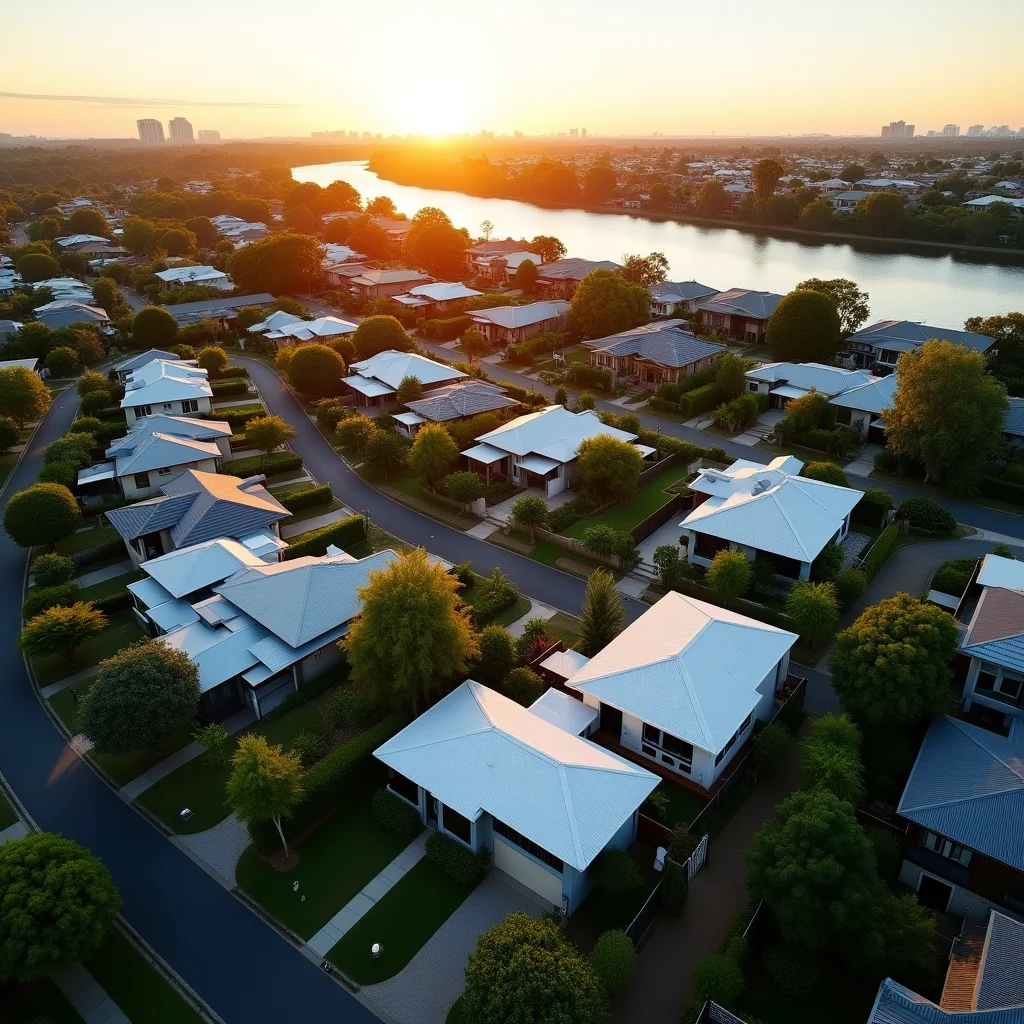
Australia's housing market has reached such extremes that granny flats are now commanding house-level rents of $1,400 per week in some postcodes. According to realestate.com.au, the crisis could deteriorate further as rental supply struggles to meet unprecedented demand across major metropolitan areas.
Secondary Dwellings Drive Market Extremes
The $1,400 weekly granny flat rental demonstrates how Australia's housing shortage has pushed previously affordable accommodation into premium pricing territory. These secondary dwellings, traditionally offering budget-friendly rental options for students and young professionals, now compete directly with established houses in pricing structures.
The shift reflects broader market pressures where rental supply constraints force tenants to accept premium rates for smaller spaces. Property investors are capitalising on this demand by converting backyard spaces into high-yield rental accommodations that previously would have commanded half the current rates.
Housing Supply Crisis Creates Rental Premium Opportunities
The extreme rental pricing for granny flats signals the depth of Australia's accommodation shortage. Traditional rental hierarchies have collapsed as demand outstrips supply across all property types, from studio apartments to family homes.
Housing market pressures have reached such intensity that secondary dwellings now command premium rents previously reserved for established houses, indicating supply constraints across all accommodation tiers.
Meanwhile, half of Australian parents fear their children will never afford homeownership, according to separate realestate.com.au reporting. This generational concern reflects the compounding effect of both purchase and rental market pressures on housing accessibility.
Market Context and Property Cycle Implications
The extreme granny flat pricing occurs within Australia's broader property cycle dynamics, where supply shortages typically precede significant price adjustments. The Australian Property Cycle Explained demonstrates how rental market pressures often signal underlying supply-demand imbalances that influence broader property valuations.
Recent interstate migration patterns compound these pressures, with Queensland recording a 19,092 resident gain while NSW loses 23,353 residents. This population shift intensifies rental demand in growth states while creating pockets of opportunity in areas experiencing outbound migration.
Investment and Planning Implications
For property investors, the $1,400 granny flat rental reveals new yield opportunities in secondary dwelling development. However, investors must consider local council regulations, building costs, and the sustainability of current rental premiums before committing capital to granny flat construction.
First home buyers face increased competition from investors targeting properties with granny flat potential, as secondary rental income helps justify higher purchase prices. The trend suggests buyers should evaluate properties not just on primary dwelling characteristics but on their capacity for rental income generation through secondary accommodations.
This article was produced with AI assistance and reviewed for accuracy. Content is for informational purposes only and does not constitute financial or property investment advice.