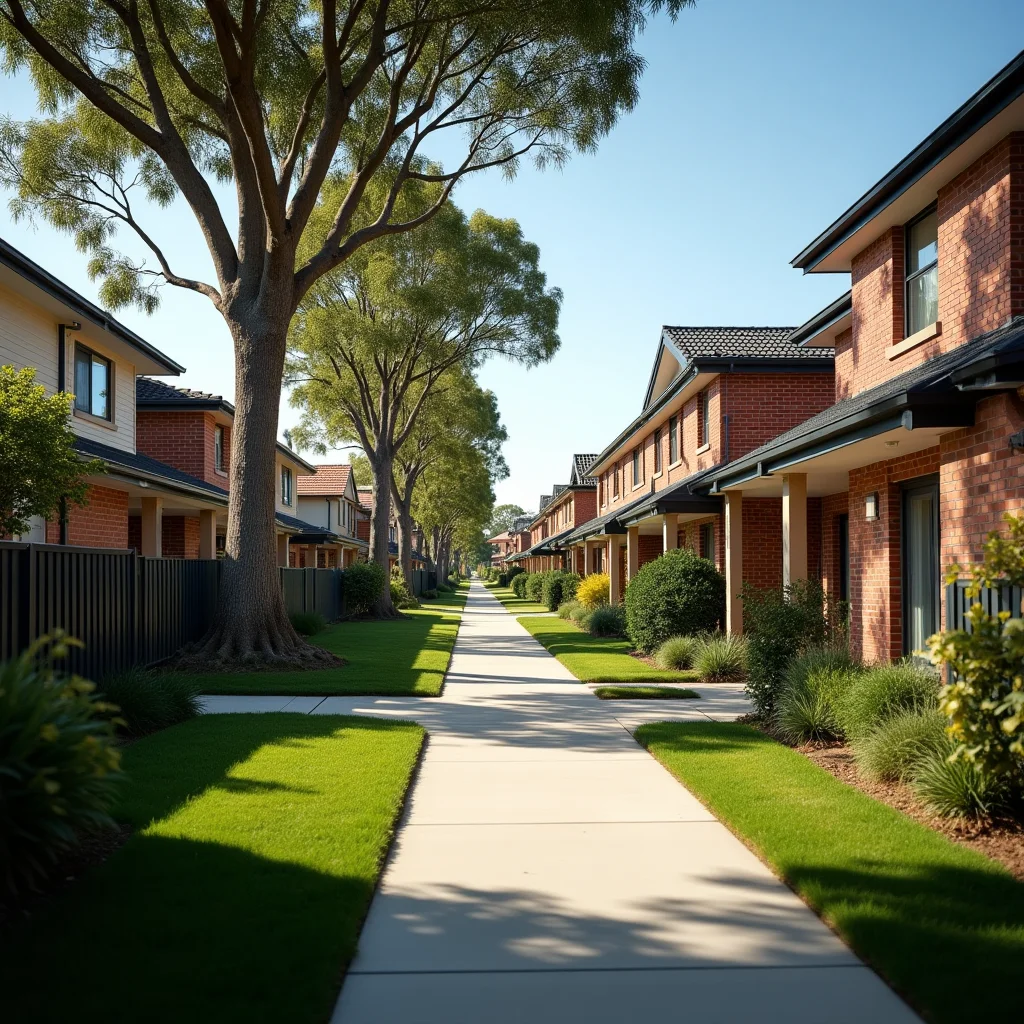
The Iran war has added $5,000 to Australian home building costs, with insurance premiums rising sharply as construction materials and energy prices surge. New analysis reveals another $31,000 increase looms ahead as the fuel crisis deepens, creating significant pressure on building insurance policies.
Construction Cost Crisis Drives Premium Increases
Building insurance providers face mounting pressure as construction costs explode across the country. Northern Territory construction costs jumped 40% in just one month, while national averages climb steadily. These rapid increases force insurers to recalculate rebuild costs and adjust premiums accordingly.
Property investors and homeowners must prepare for substantial premium increases when policies renew. The combination of material shortages, energy price volatility, and supply chain disruptions creates a perfect storm for insurance cost inflation.
Regional Variations Create Coverage Gaps
Queensland markets deliver 9.2% property growth despite construction challenges, creating distinct regional insurance dynamics. Premium markets experience faster sales cycles, averaging 20-25 days compared to 28-32 days in mid-tier areas. This market segmentation affects insurance risk assessment and pricing.
More than one-third of U.S. home sellers reduced prices in February 2026 while 25% of Americans report homeownership is out of reach, driving increased interest in overseas property markets offering golden visa pathways and superior returns.
Australian insurers monitor global property trends closely, as international investment flows influence domestic risk profiles. Geopolitical uncertainty drives flight-to-real-estate patterns, similar to pre-crisis property bubbles.
Insurance Coverage Adjustments Required
Homeowners must review building insurance sum insured amounts immediately. The $5,000 current increase and projected $31,000 additional rise mean many properties face significant underinsurance risk. Policies based on outdated construction costs leave owners exposed to substantial gaps.
Rental property owners face particular challenges as both building insurance and landlord insurance premiums climb. Short-term rental properties earning up to $1,044 per night require specialised coverage reflecting higher income potential and usage intensity.
Future Premium Outlook
The Reserve Bank warns of 'big income shock' and higher rates from the oil crisis, creating additional pressure on insurance affordability. Premium markets command 74% auction success rates while mid-tier suburbs struggle at 62%, reflecting underlying economic stress.
Property investors should budget for continued premium increases through 2026. The combination of geopolitical tensions, energy costs, and supply chain disruptions suggests insurance cost inflation will persist well beyond current forecasts.
Property owners must act now to review coverage levels and adjust sum insured amounts before renewal dates. The combination of construction cost inflation and geopolitical risk creates an environment where adequate insurance coverage becomes increasingly expensive but absolutely essential. For a comprehensive overview, see our Property Insurance Guide.
This article was produced with AI assistance and reviewed for accuracy. Content is for informational purposes only and does not constitute financial or property investment advice.