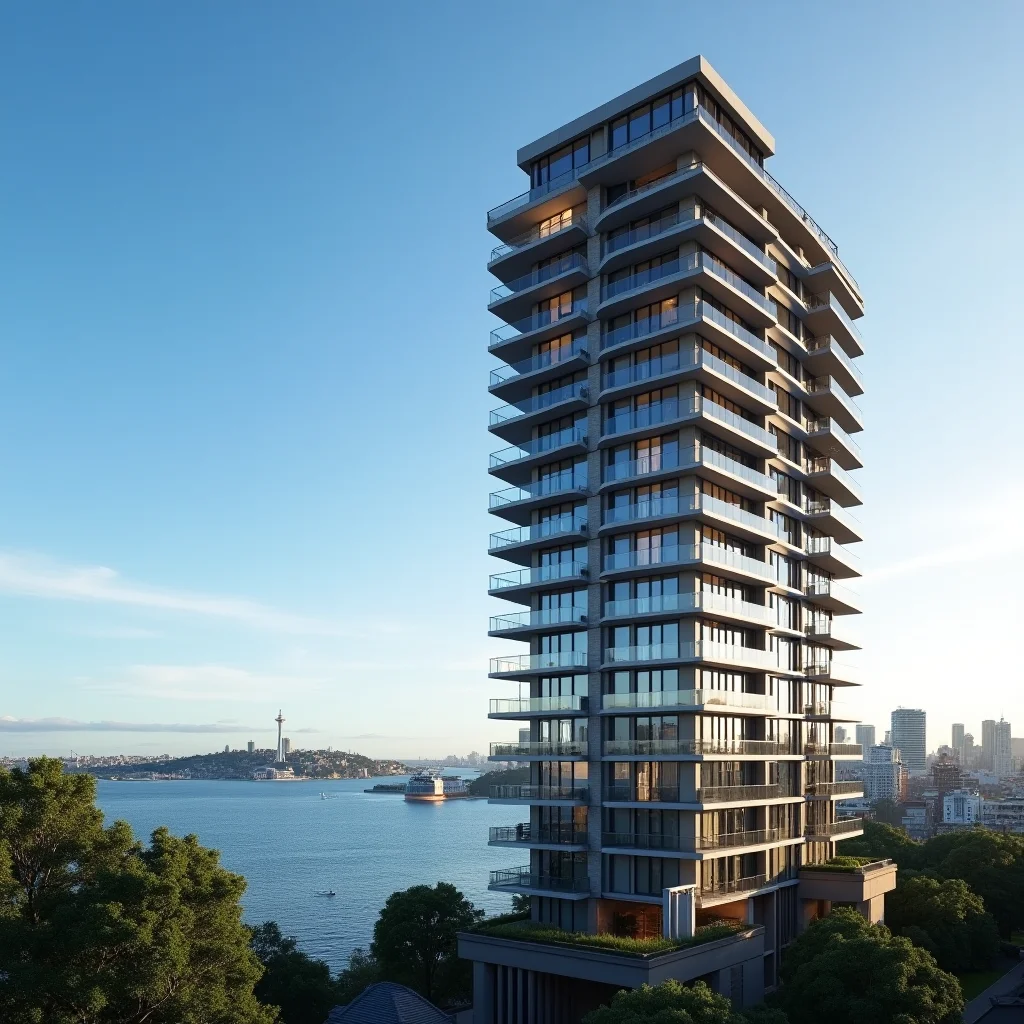
According to REAStats, Cronulla's median house price has reached $2,350,000 — a 5.9% annual gain — with properties clearing in just 25 days and a 71.5% auction clearance rate, positioning the beachside suburb among Sydney's most resilient prestige markets even as broader capital city values soften heading into winter 2026.
Cronulla's Scarcity Premium in a Softening Sydney Market
Cronulla's performance stands out sharply against the broader Sydney context. A $2,350,000 median combined with a 71.5% auction clearance rate and a 25-day median days-on-market is not the profile of a market cooling under rate pressure — it is the profile of a suburb where supply is genuinely constrained and demand from high-equity, low-leverage buyers remains firm. The 5.9% annual growth figure, reported by REAStats, is notable in a winter season that has seen auction cancellations and withdrawal rates climb across much of metropolitan Sydney and Melbourne.
The mechanism driving Cronulla's outperformance is scarcity, not speculation. Beachside suburbs with hard geographic boundaries — a peninsula, a national park, a waterway — cannot expand their dwelling stock to meet demand. When supply is fixed and owner-occupier demand from upsizing families and sea-change buyers remains active, clearance rates stay elevated even when investor participation pulls back. This is a fundamentally different market dynamic from outer-ring suburbs where new land releases absorb demand and price growth is capped by construction cost benchmarks.
For buyers targeting Cronulla, the 25-day selling window is a critical operational constraint. Pre-approval, legal review of the contract of sale, and building inspections must all be completed before auction day — there is no time to hesitate once a property is listed. Buyers who arrive without finance confirmed risk missing the market entirely, or being forced into a rushed post-auction private negotiation that rarely yields a discount in a suburb clearing at 71.5%.
REAStats data positions Cronulla among Sydney's most resilient prestige markets, with scarcity-driven suburbs decoupling from the softness visible in higher-volume markets as July 2026 data confirms the suburb's buyer cohort continues to carry substantial existing equity. That dynamic — constrained supply meeting persistent demand from low-leverage buyers — is what separates Cronulla's market profile from the broader capital city softening recorded across this period.
The 27-Point Clearance Gap: Randwick vs Regional Markets
Randwick's 73.5% auction clearance rate, reported by REAStats, sits 27.5 percentage points above Port Macquarie's 46% — a gap that is not a statistical anomaly but a structural signal about where active demand is concentrated in July 2026. Randwick's proximity to the CBD, UNSW, and Prince of Wales Hospital creates a durable demand base of owner-occupiers and professional buyers that is largely insulated from the investor exodus following the federal budget's tax changes. Port Macquarie, by contrast, has seen regional investors pull back sharply, leaving fewer competitive bidders at auction and suppressing clearance rates.
This clearance divergence has direct implications for sale method strategy. Agents in high-clearance inner-city markets like Randwick continue to push vendors toward auction — competitive bidding conditions mean vendors are more likely to achieve above-reserve results. In regional markets sitting around 46%, agents and vendors are reconsidering. A private treaty campaign with a realistic price guide carries less risk of a passed-in result and the reputational and pricing damage that follows. REAStats data confirms this shift, noting the regional investor pullback is actively opening a private treaty window for sellers who want certainty over competitive spectacle.
A 27-point auction clearance gap between inner Sydney and regional New South Wales is one of the sharpest geographic splits recorded in a single month — it reflects two entirely different market conditions operating simultaneously under the same cash rate environment.
For investors who have been watching the regional pullback, the private treaty shift creates a tactical opportunity. Reduced auction competition means more room to negotiate on price, subject-to-finance clauses, and settlement terms. However, buyers should weigh this against the yield and capital growth trade-offs that regional markets present — data from REAStats across July 2026 shows capital growth in some regional New South Wales markets has slowed materially as investor demand thins. Understanding how to buy at property auction in Australia remains essential even in softer markets, because well-priced stock in regional areas still attracts multiple bidders when vendor expectations align with market reality.
The Capital Growth vs Yield Trade-Off Shaping Sydney's Mid-2026 Market
July 2026 data from REAStats reveals a sharp divide across Australian suburbs between capital growth and yield outcomes. While Perth's high-growth suburbs are posting double-digit annual gains, Victorian markets including Dandenong are recording growth closer to 2.3% — reflecting the post-budget investor exodus and a structural oversupply of investor-grade stock entering the resale market simultaneously. Sydney sits in between, with prestige coastal suburbs like Cronulla delivering growth while yield-focused outer suburbs face compressed returns.
This trade-off has sharpened
This article was produced with AI assistance and reviewed for accuracy. Content is for informational purposes only and does not constitute financial or property investment advice.