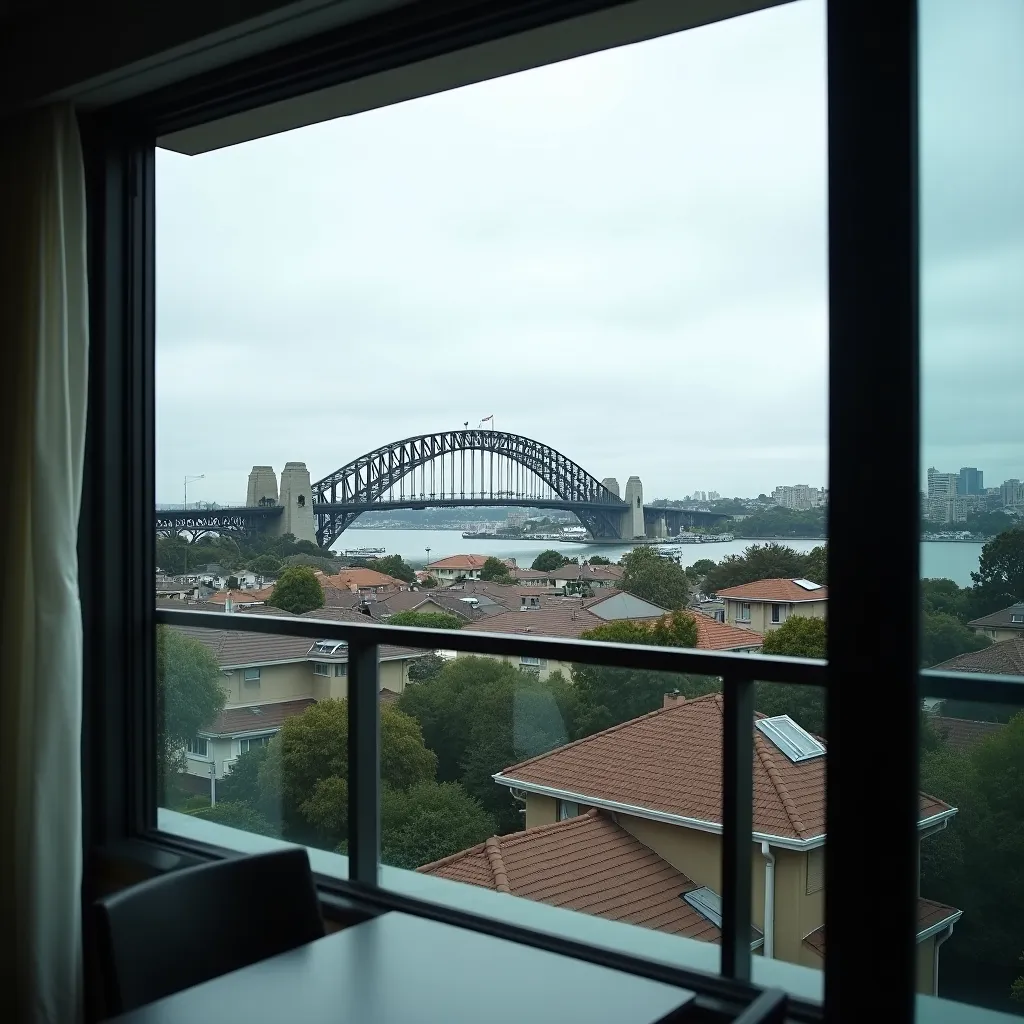
According to The Age, 2.42% of borrowers in Constitution Hill, west of Parramatta, are behind on mortgage repayments — the highest proportion in NSW and the second-highest in Australia, according to S&P Global Ratings data. The figure comes after the RBA lifted the cash rate for the fifth time in 2026, to 4.85%, the highest level since 2008.
The suburb where arrears bit hardest
Constitution Hill's arrears rate of 2.42% sits nearly three times the national average of 0.85%, according to S&P Global Ratings data cited by The Age. Outer Sydney suburbs dominate the national list: five of the ten Australian postcodes with the highest arrears at the end of June were in NSW, including Baulkham Hills (2.26%), Berkshire Park (2%), Casula (1.96%) and Alison (1.78%).
Related reading: REAStats Australian property market intelligence.
S&P analyst Erin Kitson, quoted in the report, said postcode-level data is volatile given small sample sizes. "The trend suggests mortgage stress has been more pronounced in areas with higher debt-to-income ratios and more pronounced property price declines," she said. Finspo chief executive Angus Gilfillan added that the stress is "concentrated in particular pockets, usually ones with a lot of recent buyers on big loans," noting many borrowed close to peak prices when rates were lower and have since watched their properties lose value with little time to pay down principal.
The RBA's fifth hike of the year added roughly $100 a month to repayments on a $600,000 mortgage, per the same report.
Why this is a NSW-specific story
NSW households are structurally more exposed to rate rises than other states because, as The Age notes, a larger share of borrower income goes toward servicing a loan in NSW than elsewhere in the country.
Resident Ben Sandland, who bought a four-bedroom home in Constitution Hill in 2017, told The Age he has no trouble meeting repayments but has pressed pause on additional investing, is redirecting funds into his mortgage offset, and has shelved renovation and overseas travel plans. That's a household coping — just with a shrinking discretionary buffer.
Retired resident Bryan Hoger, 72 and mortgage-free after buying his Constitution Hill home for $29,000 in the mid-1970s, offered a generational contrast. He told The Age he struggles to understand how borrowers manage "$800,000 to $900,000, million-dollar loans," even as he and his wife — self-funded retirees — notice cost-of-living pressure "at the checkout." His children's loans were relatively small by comparison.
Borrowing capacity and the gap it leaves
The arrears pattern described in Constitution Hill illustrates how borrowing capacity calculations interact with rate cycles. Households that borrowed at the limits of their serviceability capacity when rates were lower have less room to absorb successive increases. Readers wanting to understand the mechanics of how serviceability assessments work can consult LVR and LMI Explained, which covers how loan-to-value ratios and lenders mortgage insurance interact with borrowing limits.
For investors considering property exposure structures, the Constitution Hill case underscores broader questions around highly geared personal mortgages during a rising-rate cycle. The SMSF Property Investment Explained guide outlines the rules governing alternative structures, including borrowing limits and the sole purpose test, for investors evaluating different approaches to residential property investment.
Serviceability pressure of this kind sits alongside broader credit-market shifts, as households navigate competing pressures on discretionary income.
What it means for borrowers and buyers now
Finspo's Gilfillan noted that refinancing conversations can stall if borrowers can't pass assessment criteria for a new loan. Some borrowers described in the report are switching to interest-only terms, stretching loan terms out to 30 years, or working extra hours and cutting discretionary spending to keep up.
For prospective buyers, the Constitution Hill pattern is a signal to stress-test affordability well beyond the minimum serviceability buffer, particularly in outer-Sydney postcodes with a concentration of recent, large loans. Those considering a purchase in a higher-stress postcode should also factor settlement costs carefully; the Conveyancing Explained guide covers the settlement process relevant to any purchase decision made under current lending conditions.
The broader question — whether arrears in pockets like Constitution Hill foreshadow wider distress — remains open. National arrears sit at 0.85%, and S&P's Kitson was careful to flag that postcode-level figures are volatile due to small sample sizes.
This article was produced with AI assistance and reviewed for accuracy. Content is for informational purposes only and does not constitute financial or property investment advice.