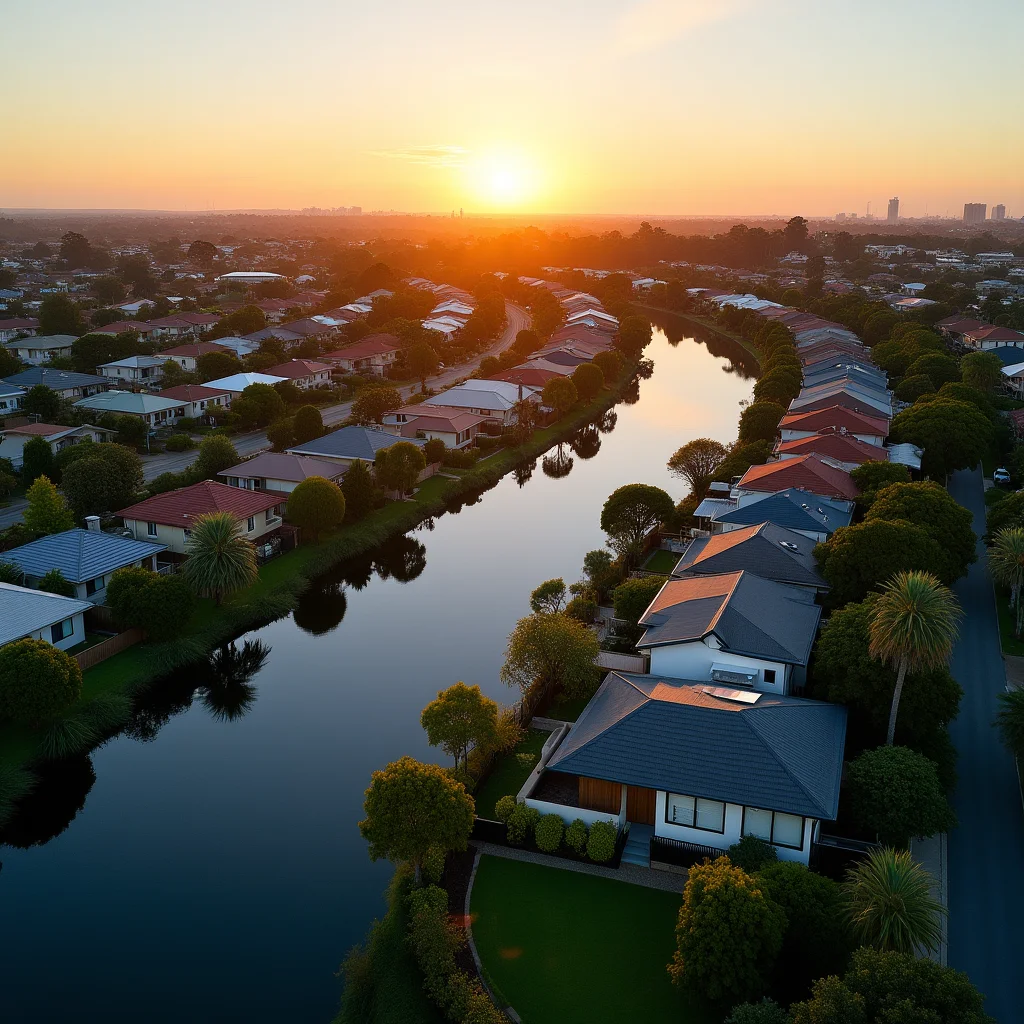
Building cost pressures are mounting across Australia as fuel spikes and labour shortages create significant headwinds for construction activity. Industry experts warn that halting building projects will only worsen the nation's housing crisis as supply constraints tighten further.
Construction Costs Drive Development Decisions
The construction sector faces a perfect storm of rising expenses. Fuel price increases directly impact material transport and heavy machinery operations. Labour shortages continue to push wages higher as builders compete for skilled workers.
These cost pressures are forcing developers to reassess project viability. Rising input costs squeeze profit margins and push final sale prices beyond many buyers' reach. Some projects face delays or cancellation as developers wait for more favourable conditions.
Premium Development Activity Continues
Despite broader cost concerns, premium development remains active in select markets. Frasers Property launched The Summit collection at The Quarry at Keperra, featuring 13 lots priced from $1.5 million with views stretching from the Glass House Mountains to Moreton Island.
The desperate scramble for development opportunities continues in inner-city locations, with a secret $12 million deal for a Melbourne corner site exposing the competitive pressure for remaining sites in the city's inner south.
Gold Coast developers also maintain momentum, with the final residential release within the Kirra Point masterplan hitting the market amid strong pre-sales demand for southern Gold Coast properties.
Market Response Varies by Segment
Different property segments show varying resilience to cost pressures. Luxury developments with higher margins can better absorb increased costs. Entry-level housing faces the greatest strain as builders struggle to maintain affordability while managing rising expenses.
Single women emerge as the fastest-growing cohort of solo buyers, finding ways to establish financial security independently. This demographic shift creates new demand patterns that developers must consider in their project planning.
Supply Chain Implications Intensify
The combination of higher costs and labour constraints threatens housing supply at a critical time. Australia's housing shortage requires increased construction activity, not reduced building programs.
Industry experts emphasise that stopping construction now would create worse long-term problems. Reduced supply today means higher prices tomorrow, making housing even less affordable for future buyers.
Developers and builders must balance immediate cost pressures against long-term market needs. Those who can weather current challenges may benefit from reduced competition and stronger pricing power when conditions improve. Buyers should expect construction delays and higher prices as the industry adapts to these elevated cost pressures.
This article was produced with AI assistance and reviewed for accuracy. Content is for informational purposes only and does not constitute financial or property investment advice.