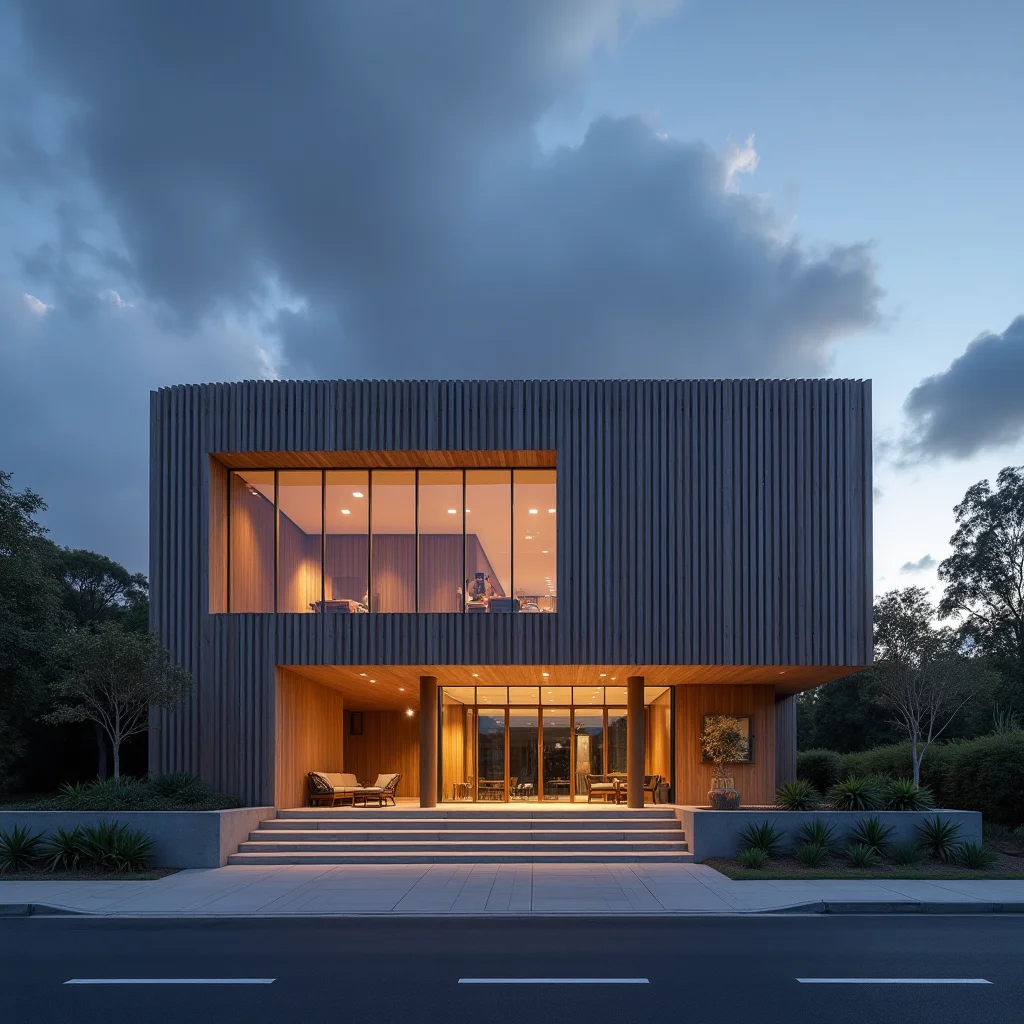
The Balaclava cottage's transformation involved a substantial six-figure amount spent on glass, representing a significant capital improvement that fundamentally alters the property's character and value. According to realestate.com.au, the renovation of one of Melbourne's oldest working-class homes was described as a "radical transformation" involving more than $100,000 in glass installations. This level of investment in glass infrastructure represents a dramatic modernisation of the heritage property.
The property's transformation from a modest worker's cottage to a potential record-breaking home demonstrates how substantial capital improvements can fundamentally alter a property's market position. The extensive use of glass in the renovation suggests a complete reimagining of the original structure whilst maintaining its heritage character. Such substantial renovations create immediate tax implications under Australian capital gains tax provisions, as improvements exceeding certain thresholds are added to the property's cost base for CGT calculations.
For additional market context, see WealthWatchPro retirement and tax planning.
Property owners undertaking similar renovations need to understand that while the $100,000+ glass installation increases the property's cost base for CGT purposes, it may also trigger depreciation opportunities if the property generates rental income. The radical nature of the Balaclava cottage transformation indicates the extent to which heritage properties can be modernised whilst preserving their historical significance.
Melbourne's property market has demonstrated resilience despite broader challenges, as evidenced by recent auction activity shifts due to missing property investors. This trend affects how properties like the transformed Balaclava cottage position themselves in the market, particularly those seeking record-breaking sale prices following substantial renovations.
Capital Gains Tax Strategies for Major Renovations
The Balaclava cottage renovation illustrates how strategic capital improvements can optimise long-term capital gains tax outcomes for property investors and owner-occupiers. The entire $100,000+ glass installation cost documented by realestate.com.au can be added to the property's cost base, effectively reducing future capital gains tax liability when the property is sold. This becomes particularly valuable for properties positioning themselves as potential record-breakers in Melbourne's market.
For investment properties, the timing of major renovations relative to purchase and sale dates becomes crucial for tax planning purposes. The ATO requires detailed records of all improvement costs, including professional fees, council permits, and materials, which must be substantiated with tax invoices and payment evidence. Property investors should maintain comprehensive documentation of glass installation projects, including architectural plans, building permits, and contractor invoices.
The substantial glass installation investment at the Balaclava cottage suggests the owners are positioning the property for maximum value realisation, whether through sale or rental income generation. The transformation of one of Melbourne's oldest working-class homes demonstrates the potential for heritage properties to achieve significant value uplift through strategic modernisation.
Heritage properties undergoing major glass installations face unique considerations when positioning themselves as potential record-breaking homes in Melbourne's evolving market.
Market Context for High-Value Property Renovations
The extensive glass work at the Balaclava cottage occurs within a changing Melbourne property landscape, where missing property investors are triggering major auction shifts according to recent market analysis. This context affects how renovated properties like the transformed worker's cottage compete for buyer attention and achieve their potential record-breaking aspirations.
The $100,000+ glass installation represents a significant commitment to modernisation that aligns with current market preferences for contemporary elements within heritage frameworks. The property's journey from modest worker's cottage to potential record-breaker demonstrates how strategic capital investment can reposition heritage assets in today's market.
Investment property owners considering similar transformations should note that the glass installation components may qualify for different depreciation treatments depending on their classification as plant and equipment versus capital works. Modern glazing systems often incorporate multiple elements including frames, sealing systems, and integrated features that may qualify for various tax treatments.
For comprehensive guidance on maximising benefits from property improvements, investors should consult our Property Depreciation Schedules Explained guide, which outlines the specific requirements and documentation needed to support claims on renovated properties.
Practical Tax Planning for High-Value Property Renovations
The Balaclava cottage case demonstrates the importance of strategic planning before undertaking major property renovations, particularly those involving substantial capital investment like the documented $100,000+ glass installation. The transformation from modest worker's cottage to potential record-breaking property required careful consideration of both renovation scope and market positioning.
Record-keeping requirements become critical for high-value renovations, as substantial capital improvement claims require comprehensive documentation. The radical transformation described by realestate.com.au would necessitate detailed project records including architectural drawings, council approvals, contractor agreements, and material receipts to support both immediate tax deductions and future capital gains cost base additions.
Professional advice becomes essential when renovation costs exceed $100,000, as demonstrated by the Balaclava cottage project. The tax implications can significantly impact the project's overall return on investment, particularly for properties aiming to achieve record-breaking sale prices following extensive modernisation of heritage structures.
For the full breakdown of property tax obligations and strategies, see our Australian Property Tax Guide, which covers all aspects of renovation-related tax planning for both investors and owner-occupiers navigating complex improvement projects like heritage cottage transformations.
This article was produced with AI assistance and reviewed for accuracy. Content is for informational purposes only and does not constitute financial or property investment advice.