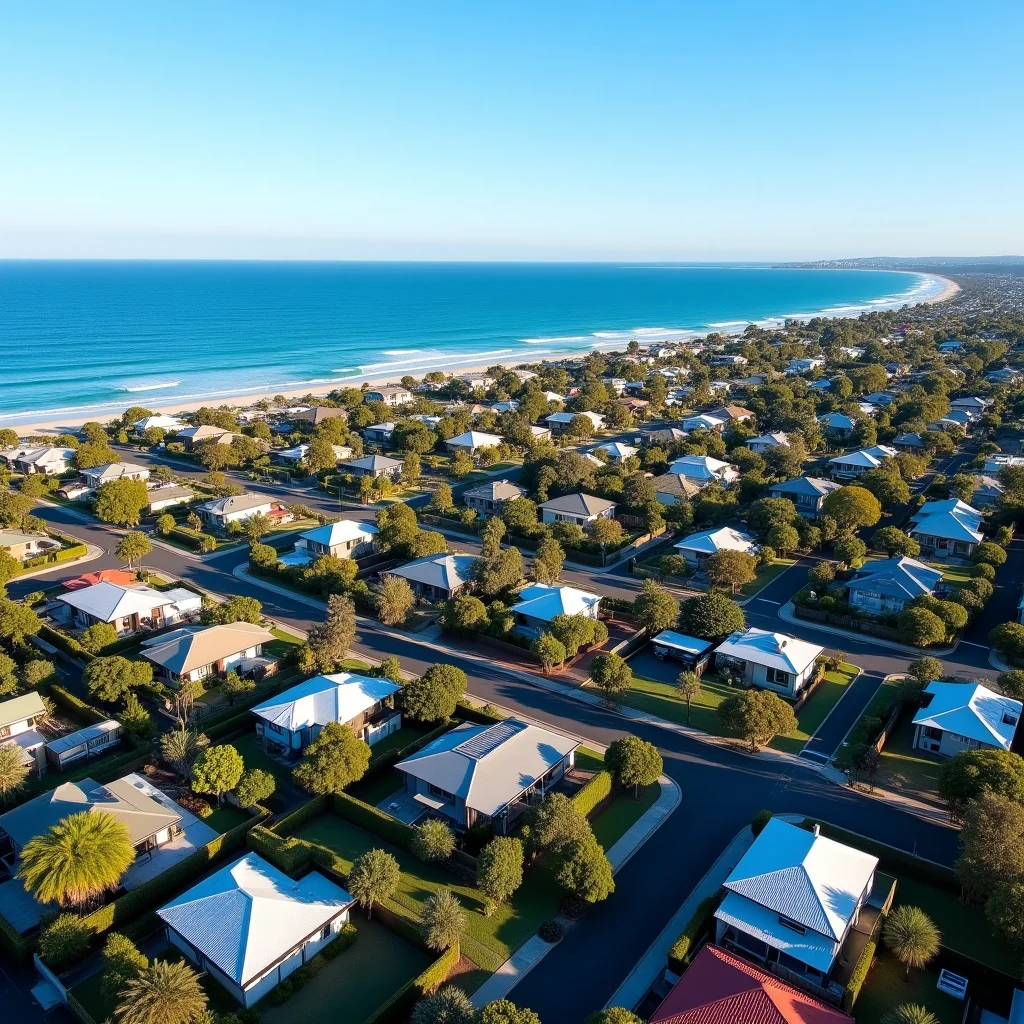
New analysis has exposed how Australia's housing crisis is being compounded by a demolition surge, with 34,000 homes being bulldozed annually across the nation. According to realestate.com.au, this demolition rate is undermining the Albanese government's housing construction targets at a critical time when supply shortages are driving up property prices nationwide.
Demolition Data Reveals Housing Target Threat
The analysis reveals a stark reality facing national housing policy. In Queensland alone, data shows realestate.com.au that sought-after Brisbane suburbs are experiencing significant demolition activity, with the state falling well behind its building targets. The wrecking ball is particularly active in established areas where older homes are being cleared for redevelopment.
Melbourne's situation mirrors Queensland's challenges. Separate data indicates realestate.com.au foreign interests are behind a housing demolition wave that has more homes being destroyed than built in some parts of the city. This trend is directly undermining efforts to address the housing affordability crisis through increased supply.
demolitions consume one in eight new dwellingsemolitions consume one in twelve new dwellings before they contribute to national supply targets, creating a net housing loss in critical growth areas.
Regional Impacts Compound Supply Problems
Regional centres are not immune to the demolition trend. Geelong is experiencing particularly acute pressure, with more than 200 houses facing demolition despite national supply targets. The regional city is razing one home for every 12 approved to be built, according to the analysis, highlighting how the demolition trend extends beyond major capital cities.
The widespread nature of demolitions suggests structural factors are driving the trend.
Investment Context and Market Dynamics
Understanding the financial incentives behind property demolitions requires examining rental yield calculations and redevelopment returns. Investors often demolish older properties when the potential rental yield from new construction exceeds the returns from existing housing stock, particularly in areas experiencing gentrification or rezoning.
The demolition trend also reflects broader market dynamics where land values have risen faster than building costs, making redevelopment financially attractive despite the loss of existing housing supply.
Implications for Housing Policy and Investors
For property investors, the demolition trend creates both risks and opportunities. Areas with high demolition rates may signal strong redevelopment potential but could also indicate supply constraints that drive up land values faster than rental returns.
Government housing targets appear increasingly unrealistic without policy changes that account for demolition rates. The 200,000-home shortfall suggested by the analysis indicates current construction targets fail to offset the housing stock being lost to demolition, creating a net supply deficit that will continue pressuring prices and affordability.
Buyers and investors should factor demolition trends into suburb research, as areas with high demolition rates may experience supply constraints that affect both purchase prices and rental yields over time.
This article was produced with AI assistance and reviewed for accuracy. Content is for informational purposes only and does not constitute financial or property investment advice.