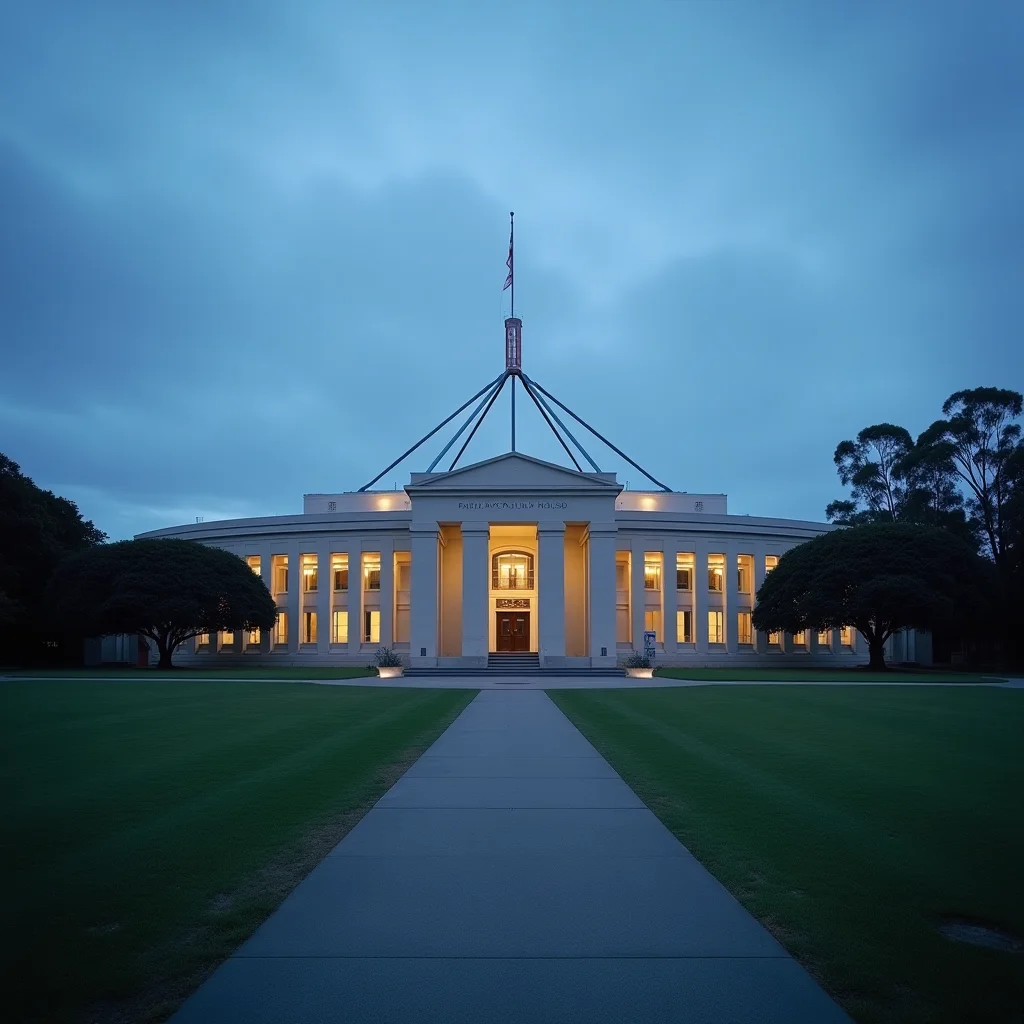
How Australia's Housing Affordability Crisis Developed
The structural drivers matter here. Australian cities — particularly Sydney and Melbourne — face physical and regulatory constraints on housing supply. Zoning rules, slow planning approval processes, and community resistance to density have consistently held new dwelling completions below the level needed to house a growing population. Meanwhile, net overseas migration has regularly added pressure to demand, especially in inner-ring suburbs close to employment centres. The result is that supply and demand have been structurally mismatched, providing a persistent floor under prices even during downturns.
For buyers attempting to enter the market, this dynamic has a compounding cruelty. As prices rose faster than incomes, the deposit required grew larger in absolute terms, extending the savings horizon. Every year spent saving while prices rose meant the target moved further away — a treadmill effect that has pushed the average first home buyer age higher and funnelled many into the rental market for longer than they intended.
For additional market context, see WealthWatchPro macro and interest rate market analysis.
The RBA Rate Cycle and Its Affordability Impact
With the cash rate currently sitting at 4.35%, borrowers on variable rate loans are facing a tightened affordability vice. Higher rates reduce borrowing capacity directly: for a given income, a buyer can service a smaller loan at 4.35% than they could at lower rates. APRA's serviceability buffer, which requires lenders to assess borrowers at a rate 3 percentage points above the loan rate, adds a further layer. A borrower seeking a variable rate loan today must demonstrate they can service repayments at an effective test rate well above 7% — a threshold that eliminates many median-income households from borrowing what they need to buy a median-priced home.
This is the central tension in Australia's current housing market. Prices remain elevated relative to incomes. Borrowing capacity has been compressed by the rate cycle. And the gap between the two — the amount households need to borrow versus what banks will lend — has widened. The consequence is visible in transaction volumes: when fewer buyers can qualify for adequate finance, sales activity slows, and the market corrects at the margin. But that correction has not been large enough or sustained enough to genuinely restore affordability in any major capital city. As realestate.com.au reported, even Geelong — historically one of the more accessible markets near Melbourne — is seeing affordability prop up demand only at the lower end of its price range. Meanwhile, Sydney home prices have now fallen for six consecutive months, with rate hikes and budget pressures cited as the primary drivers weighing on that market.
Even a sustained correction in dwelling prices does not restore affordability when the simultaneous rise in interest rates compresses borrowing capacity at exactly the same pace. The affordability equation has two sides — price and serviceability — and tightening monetary policy affects both simultaneously, often cancelling out the relief that falling prices would otherwise deliver.
For prospective buyers, this arithmetic has a practical implication. Waiting for prices to fall while rates stay elevated may not improve their position as much as they hope. A 10% fall in dwelling prices combined with a higher interest rate environment may deliver a smaller monthly repayment reduction than buyers expect, because the savings on price are offset by the higher cost of borrowing on the remaining amount. Rate cuts would shift this equation materially, but any cuts from the current 4.35% cash rate remain conditional on inflation returning to the RBA's target band.
Regional Markets, City Markets, and the Affordability Gradient
One practical response to unaffordable capital city prices has been migration to regional markets, a trend that accelerated sharply during the pandemic period and which has since moderated but not reversed. The affordability gradient between major capitals and regional centres remains significant, and for buyers willing to accept longer commutes, remote work arrangements, or a genuine lifestyle change, regional markets have offered a meaningful entry point. However, the trade-offs are real and worth understanding carefully. Our encyclopedia entry on Regional vs City Property Investment in Australia sets out the full framework: regional markets typically deliver higher rental yields but thinner liquidity, shorter rental demand depth, and greater price volatility during downturns.
The risk for buyers who move to regional markets primarily for affordability — rather than yield or lifestyle — is that they may find themselves in a market with fewer buyers when they wish to sell. Capital city markets, even at stretched valuations, have large and liquid buyer pools. A regional market with a smaller population base can see prices move sharply in either direction on relatively thin transaction volumes. That is not a reason to avoid regional markets, but it is a reason to understand what you are buying and why, rather than treating affordability as the only variable. For investors, the yield versus liquidity trade-off covered in the Australian Property Statistics guide provides useful context.
What Affordability-Constrained Buyers and Investors Can Actually Do
The practical reality for buyers is that affordability constraints require strategic responses, not passive waiting. Several structural options exist that are not new but are under-utilised. Rentvesting — renting in a preferred location while owning an investment property in a more affordable market — allows buyers to enter the property market without sacrificing lifestyle geography. It is not without complexity, particularly around tax and cash flow management, but it resolves the binary of "buy here or don't buy at all." The First Home Buyer guide covers the scheme landscape, including stamp duty concessions and First Home Guarantee eligibility, which can reduce the deposit required and upfront costs for eligible purchasers.
For investors, the affordability crisis is simultaneously a signal and a risk. Structurally unaffordable ownership markets generate persistent rental demand — households who cannot buy must rent, sustaining occupancy and rent growth in investment properties. But concentrated exposure to a single capital city market at peak valuations, funded by debt
This article was produced with AI assistance and reviewed for accuracy. Content is for informational purposes only and does not constitute financial or property investment advice.