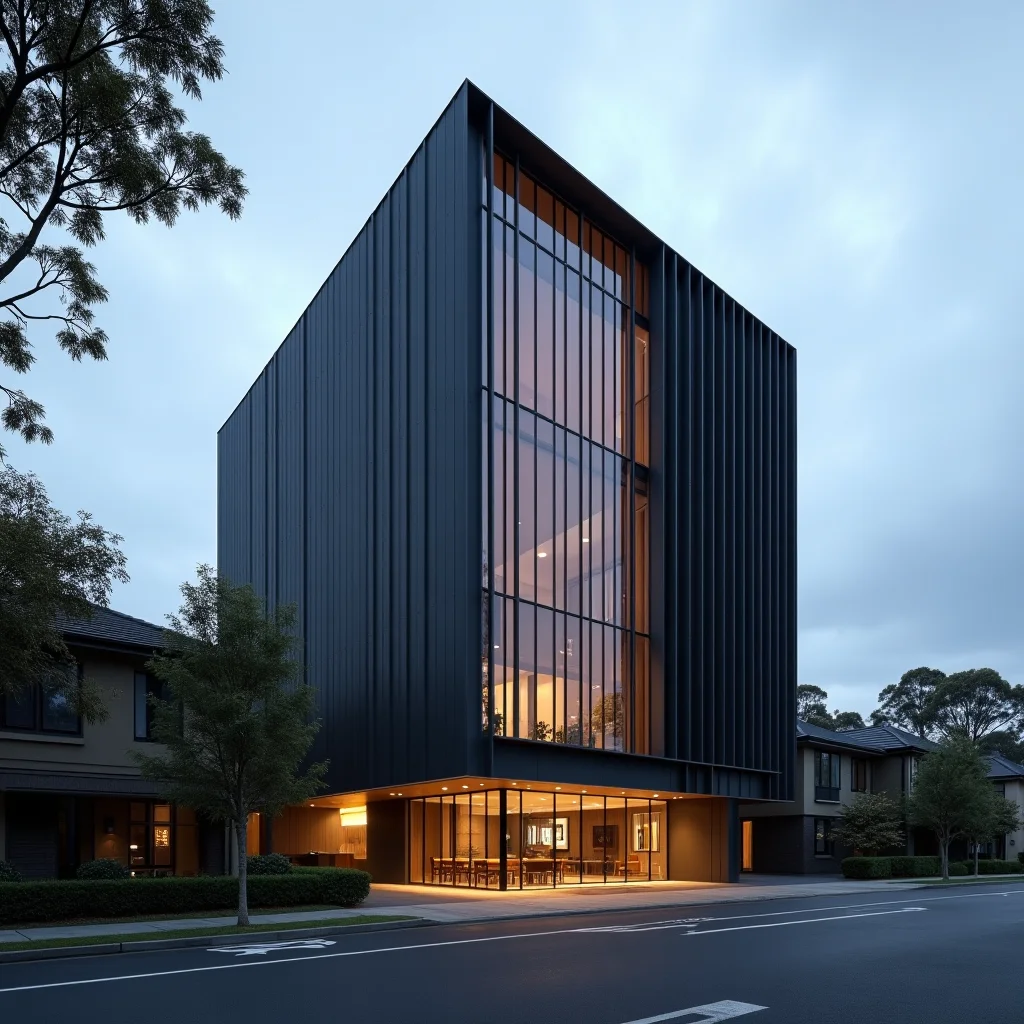
Adelaide's median home value has surged $128,000 in just 12 months, creating an unexpected financial burden for property owners even as mortgage stress reaches crisis levels across Queensland, where 850,000 households now face financial distress from dangerous debt-to-income ratios.
Australia's property finance landscape reveals a stark divide between premium markets and broader economic stress. Adelaide property owners face higher council rates and land tax obligations following the dramatic value increases, while negative gearing strategies demonstrate enhanced effectiveness in markets where median prices exceed $2 million.
Premium property markets command significant advantages in the current 4.1% RBA cash rate environment, delivering superior capital growth rates of 4.5% to 6.1% annually while maximising tax deductions. These markets show distinct resilience patterns compared to broader market corrections affecting middle-income borrowers.
Mortgage Stress Reaches Critical Levels Nationwide
Queensland leads the nation in household financial distress, with almost 850,000 households struggling as mortgage and rental costs consume dangerous portions of income. Some Queensland suburbs have achieved 100% mortgage stress rates, where every household spends more on housing than recommended financial guidelines suggest.
The data reveals that some Australian suburbs have achieved a "perfect score" in mortgage stress, with every household struggling financially as rate hike impacts compound existing affordability pressures.
Victoria faces similar challenges with over 145,000 households experiencing mortgage stress. Experts warn that further interest rate rises could trigger widespread forced sales and price crashes, particularly affecting borrowers who stretched their finances during the low-rate environment of 2020-2022.
Central Bank Policy Creates Investment Distortions
The 78 basis point gap between US 10-year yields and Fed funds rate creates structural distortions across global markets, amplifying currency volatility and commodity price disconnects. These central bank policy disparities generate significant implications for Australian property investment strategies and international capital flows.
Over 1200 Melbourne properties face weekend auctions ahead of the next RBA rate decision, testing buyer confidence in a market already showing signs of correction. Australian home prices fell 0.1% in April, marking the first monthly decline of 2026 as central bank policy reversals mirror patterns that triggered historic property market collapses.
Strategic Implications for Property Finance
Current market conditions favour sophisticated investors with access to premium markets and negative gearing strategies. The widening performance gap between high-end properties and entry-level markets suggests traditional property investment approaches require recalibration for the higher rate environment.
Property investors should focus on markets demonstrating structural resilience while avoiding areas showing 100% mortgage stress rates. The combination of rising property values in Adelaide and widespread mortgage distress elsewhere indicates selective market opportunities exist for well-capitalised buyers prepared to navigate the evolving finance landscape.
This article was produced with AI assistance and reviewed for accuracy. Content is for informational purposes only and does not constitute financial or property investment advice.