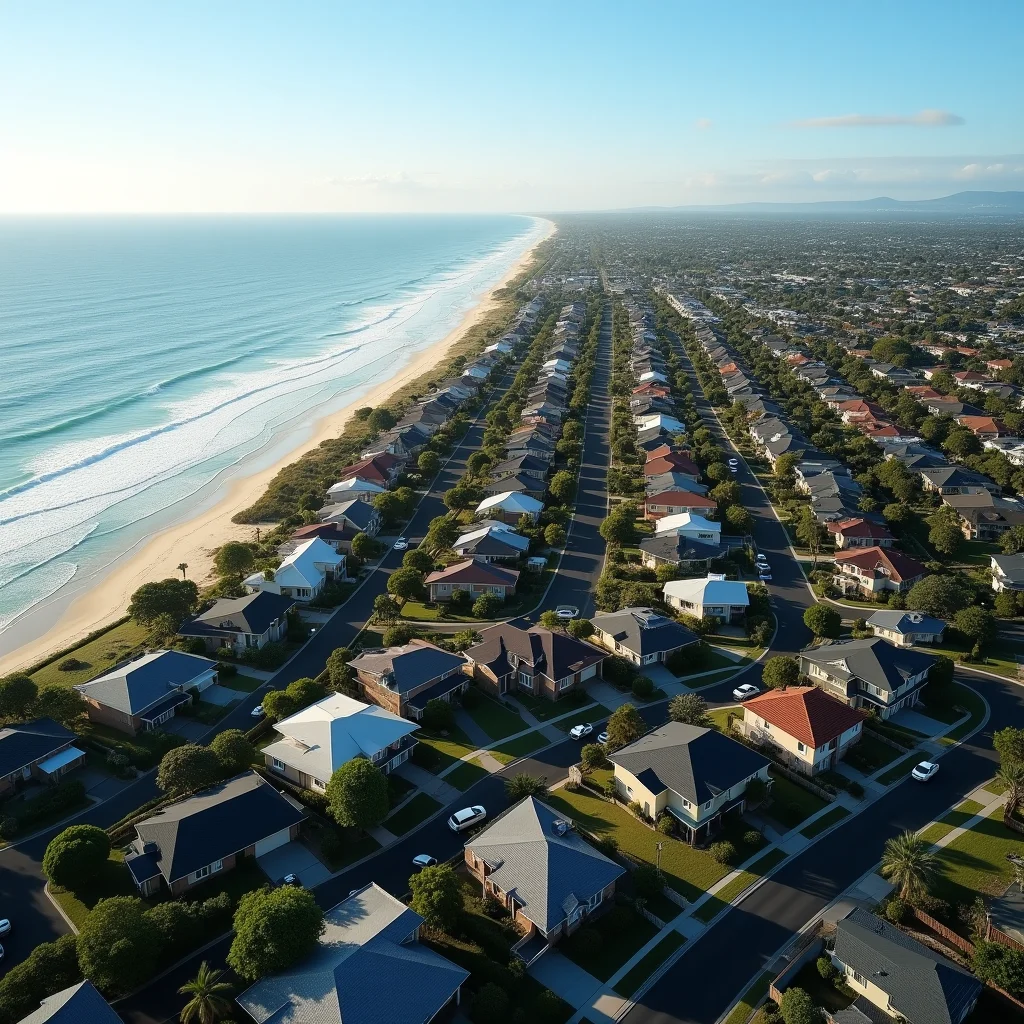
According to realestate.com.au, a wave of unconventional Victorian properties — former banks, pubs and other repurposed buildings — has hit the market, offering buyers the chance to live inside buildings with extraordinary former lives. The listings arrive as separate REA Group data shows the income needed to buy a Queensland home has grown eight times faster than wages, underscoring just how stretched mainstream buyers have become across the eastern states.
Converted Buildings Draw Buyer Interest as Affordability Tightens
The Victorian listings profiled by realestate.com.au include former commercial and civic buildings now operating as private residences, among them old banks and former pubs. These adaptive reuse homes come with their own quirks given their original commercial or civic purpose.
For additional market context, see WealthWatchPro investment market analysis.
This interest is not occurring in isolation. It comes against a backdrop where REA Group figures, reported separately by REAStats, show Queensland buyers now need roughly $30,000 more annual income than previously required just to keep pace with property price growth — a gap REAStats describes as having widened eight times faster than wage growth. REAStats notes this gap is also tightening vacancy conditions in fast-clearing suburbs such as West End, Maroochydore and Indooroopilly, keeping marginal buyers renting for longer.
Why Unconventional Stock Is Having a Moment
The broader affordability picture helps explain why buildings such as former banks and pubs are attracting attention as alternatives to standard housing stock. realestate.com.au also reported separately that the salary needed to buy the average Australian home has surged even as property prices in some markets have fallen, a sign that interest rate settings and lending serviceability tests are affecting buying power. In South Australia, new data cited by realestate.com.au similarly points to a widening income gap facing buyers trying to purchase a home.
Insurance is a genuine consideration for buyers of these properties — standard home and contents policies are not always designed for buildings with commercial heritage, altered structural elements or mixed-use history, which is why specialist cover matters even for owner-occupiers of these properties, and why investors converting such buildings into rentals should study the Landlord Insurance in Australia — Complete Guide before settling.
Background: Affordability Pressure Across the Eastern States
The Queensland income gap figures sit alongside a run of affordability data that has defined the national property conversation through 2026. REAStats data shows the required income for Queensland buyers has grown far faster than wage growth, tightening vacancy conditions in fast-clearing suburbs and keeping marginal buyers in the rental pool for longer than in previous cycles. Investors assessing whether to hold, sell or convert unconventional property stock should also understand how capital gains and holding costs are treated, covered in the Australian Property Tax Guide.
Buyers researching how Australian affordability compares internationally, particularly those weighing character or converted property against standard new-build stock overseas, can find further context in Australian Property Prices vs the World. Those considering an overseas property purchase alongside a domestic one should also be aware of the tax treatment outlined in the Australian Tax on Overseas Property guide.
Practical Implications for Buyers and Investors
For buyers navigating the income gaps reported across Queensland and South Australia, and the surging salary needed nationally to buy the average home, properties such as the converted banks and pubs profiled by realestate.com.au illustrate the kind of character stock now drawing attention as affordability tightens. Buyers weighing finance options more broadly, including serviceability under current lending conditions, may find it useful to compare rate structures via REAStats property market data before committing.
Ultimately, the interest in converted banks, pubs and civic buildings reflects the wider affordability pressures playing out across the eastern states, from the widening income gap in Queensland and South Australia to the national rise in salary required to buy the average home.
This article was produced with AI assistance and reviewed for accuracy. Content is for informational purposes only and does not constitute financial or property investment advice.