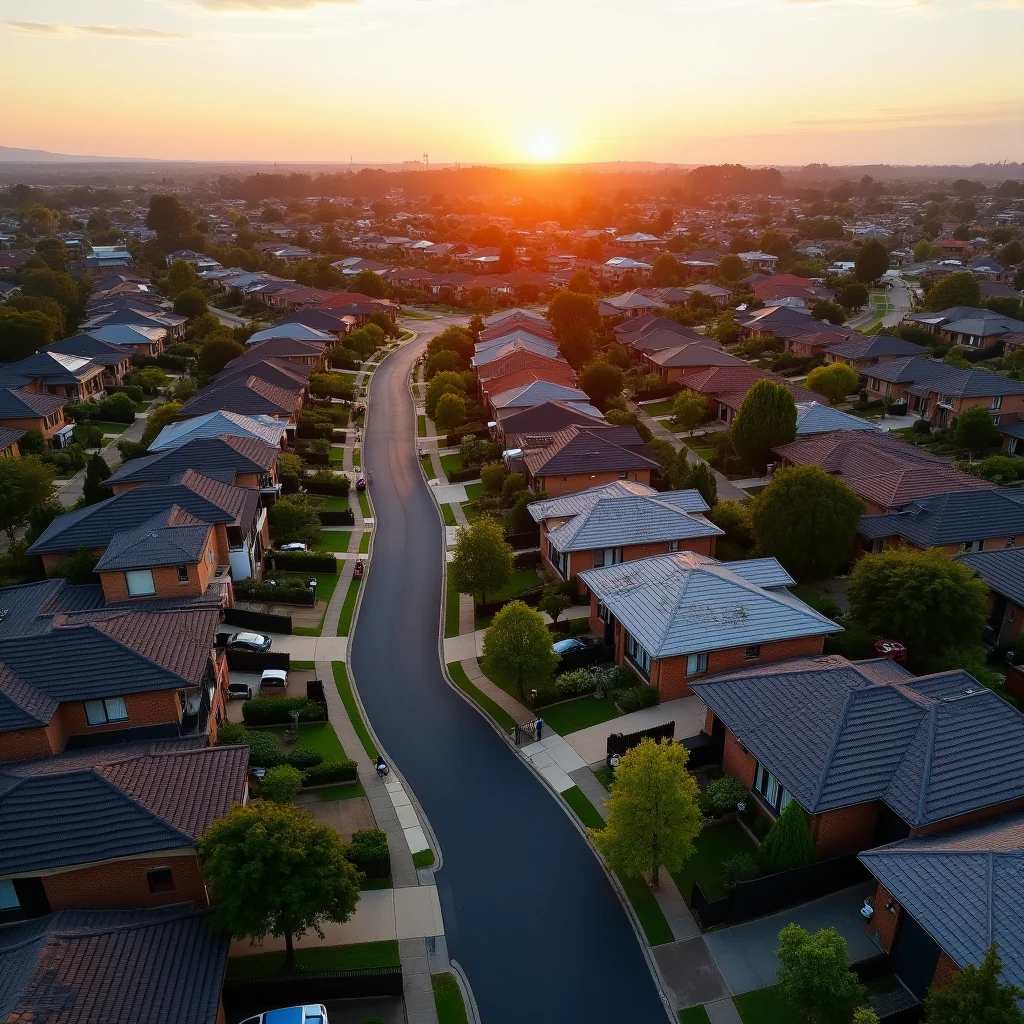
$320 million in housing development has received planning approval in Frankston South, with Vietnam war veterans identified as primary beneficiaries of the project.
The substantial development comes as housing cost pressures intensify across Victoria, forcing residents to make difficult choices about essential services. Victorians are forgoing medical care including GP visits and prescription medications to meet mortgage and rental payments.
The approved project specifically targets ageing Vietnam veterans, addressing accommodation needs for this demographic group. Frankston South's location provides access to established infrastructure whilst offering development opportunities for large-scale residential projects.
Market Activity Continues
Individual property transactions remain active despite broader affordability concerns. Award-winning builders are listing luxury waterfront properties after decades of ownership, with one marina home builder selling after 26 years in the same neighbourhood he helped develop.
The contrast between high-value individual sales and government-backed housing initiatives highlights the polarised nature of current market conditions. Large-scale developments targeting specific demographic groups may become more common as housing pressures persist across metropolitan Melbourne.
Victoria's Housing Supply Response Amid RBA Rate Cycle
The $320 million Frankston South approval occurs within Victoria's broader housing shortage, which has intensified following the Reserve Bank's cash rate increases from historic lows in 2022. With the RBA maintaining rates at 4.35 per cent as of early 2024, mortgage stress has become acute across Victoria, where median house prices in established suburbs like Frankston South hover around $650,000–$750,000. This pricing environment has made traditional homeownership increasingly inaccessible for younger demographics, even as interest rates show signs of stabilising.
Victoria accounts for approximately 27 per cent of Australia's total population yet contributes roughly 35 per cent of national housing demand growth, according to recent Australian Bureau of Statistics data. The state's vacancy rates sit below 1.5 per cent in most metropolitan areas, well below the Reserve Bank's estimated equilibrium of 3–4 per cent. Specialist housing projects targeting defined cohorts—such as this veterans initiative—represent one policy mechanism to address supply constraints without relying entirely on private developer-led projects.
Frankston South's approval also reflects Victorian planning reforms implemented in 2020–2021, which streamlined approvals for projects meeting state housing targets. The suburb itself has experienced 8–10 per cent annual growth in median values over the past five years, outpacing inner-Melbourne suburbs constrained by heritage overlays and infrastructure bottlenecks. By contrast, regional Victoria continues to experience slower appreciation, with towns like Ballarat and Bendigo recording 3–4 per cent annual growth.
For veteran-focused housing, this development aligns with federal and state commitments to address elder care demand. Australia's population aged 65+ is projected to reach 3.8 million by 2030, increasing pressure on aged-care facilities. Purpose-built housing that enables independent living whilst providing proximity to medical services offers both social and economic benefits, reducing pressure on acute hospital admissions and residential aged care placements.
Interest Rate Pressures and Veterans' Housing Affordability
The $320 million Frankston South development arrives amid elevated Australian mortgage stress, with the Reserve Bank's cash rate holding at 4.35 per cent as of late 2024. This context proves particularly significant for ageing Vietnam veterans, many of whom exist on fixed incomes including age pensions and Department of Veterans' Affairs payments. The Australian Bureau of Statistics reported in September 2024 that rental stress (paying more than 30 per cent of income on housing) affected 18.2 per cent of Australian renters, with Victoria experiencing above-average pressure across metropolitan areas.
For veteran-focused housing, the development's timing offers relief against continued rate-related affordability constraints. A typical mortgage servicing scenario—where borrowers allocate 30 per cent of income to housing—becomes unsustainable for pensioners without subsidised or purpose-built accommodation. The Frankston South project's veteran-specific design likely incorporates affordable rental or purchase structures, addressing what CoreLogic data identifies as Victoria's persistent shortage of housing stock suitable for older Australians.
Regional comparison reveals Frankston South's strategic positioning. Median house prices in the suburb reached approximately $650,000–$700,000 in 2024, substantially lower than inner-Melbourne municipalities yet accessible via the Frankston line to employment and medical services. This represents a deliberate middle ground between CBD-adjacent unaffordability and regional isolation—a critical consideration for veterans requiring proximity to specialist aged care and DVA support services.
The approval also signals state-level recognition of demographic realities. Victoria's population aged 65 and over is projected to reach 20 per cent by 2041, according to the Victorian Government's Plan Melbourne. Purpose-built developments targeting specific cohorts like Vietnam veterans demonstrate an alternative to reliance on private market solutions, particularly where consumer purchasing power remains constrained by interest rate conditions affecting both direct mortgagors and rental yields across the Victorian residential sector.
This article was produced with AI assistance and reviewed for accuracy. Content is for informational purposes only and does not constitute financial or property investment advice.